



繁体字
Fall in Love with Miyagi This Summer

Fall in Love with Miyagi This Summer

Published: 2026-11-09/Updated: 2026-11-09

On the Sanriku Coast, the sea flashes blue beneath an open sky. Inland, the valleys of Zao and Naruko are deep in summer green, while in Sendai, thousands of streamers and paper ornaments turn the city’s streets into a riot of color.

This is summer in Miyagi: mountains and sea, local flavors and centuries-old festivals, all within easy reach of one another. A car gives you the freedom to roam; trains and ferries invite you to slow down and watch the landscape pass by. Whichever way you travel, summer in Miyagi unfolds in vivid color.

For this trip, Taiwanese photographer Banbi Hsu traveled across the prefecture, turning her lens on the scenes that define the season: brilliant stretches of coastline, exuberant summer festivals and the stillness of mountain hot spring towns. Her photographs capture them with a warmth and sensitivity all her own—and, we hope, offer inspiration for your next trip to Tohoku.

Banbi Hsu

Banbi Hsu

One of Taiwan’s popular travel creators, Banbi is also a professional photographer with a keen eye for light and color. She returns to Japan often and has a particular affection for Tohoku, drawn to its landscapes and culture. Her photographs and writing go beyond the sights themselves, capturing something of the character of each place and the way people live there.

Land at Sendai Airport and the mountains, coast and cities of Miyagi are all within reach. If your flight arrives in the evening, why not spend the night in Sendai and set out the following morning for a three-day, two-night trip?

The question is how to travel. A rental car gives you the freedom to stop wherever curiosity takes you; public transportation lets you leave the road behind and take in the view. Here are two routes, each with its own pace.

Not keen on driving on the left or tackling mountain roads? Miyagi is remarkably rewarding without a car. Trains, buses and ferries carry you from mountain valleys to the coast and out across the water to offshore islands, with the changing landscape becoming part of the trip.

For families, those traveling with older companions or simply anyone who likes the freedom to linger, driving makes it easy to shape the day as you go. From Zao to the Sanriku Coast, you can follow your own route and pull over whenever something catches your eye.

Two routes, two rhythms.

Choose yours and set off.

Miyagi by Train, Bus and Ferry

A Three-Day Journey Through Miyagi: Cat Island, Waterfalls, Hot Springs and the Sendai Tanabata Festival

A Three-Day Journey Through Miyagi: Cat Island, Waterfalls, Hot Springs and the Sendai Tanabata Festival

There’s something special about taking your time through Miyagi. From a train or bus, the view is constantly changing: densely green valleys, the blue sweep of the coast, striking rock formations and, eventually, the bright summer streets of Sendai.

The Rikuu East Line threads its way through the mountains; other trains follow the coast, and ferries head out across the sea. Over three days, they connect some of the prefecture’s most memorable places with local food, hands-on experiences and summer festivals.

Settle in, watch the scenery pass by, and enjoy the journey.

DAY 1

Sendai & Akiu: Tanabata, Mapo Yakisoba and a Journey into the Mountains

The first day begins on the way into Sendai, with scenery slipping past the window and the city ahead alive with summer color. Traveling by train and bus toward the city center, the route leads beneath the colorful decorations of the Tanabata Festival, where enormous streamers sway above the shopping arcades and the streets fill with the romance and energy of a Tohoku summer festival. For lunch, it is on to the birthplace of Sendai Mapo Yakisoba, where fragrant fried noodles come generously topped with rich, spicy mapo tofu.

By afternoon, the city is behind you. A bus carries you west to Akiu Onsen, where buildings give way to forest, clear streams and steep-sided valleys. The route follows the water through Rairaikyo Gorge before continuing to Akiu Otaki, where a 55-meter waterfall crashes into the gorge below.

In the space of a day, the scene shifts from one of Tohoku’s liveliest festivals to the cool green of the mountains.

Sendai Area

Sendai Tanabata Festival

Sendai Tanabata Festival

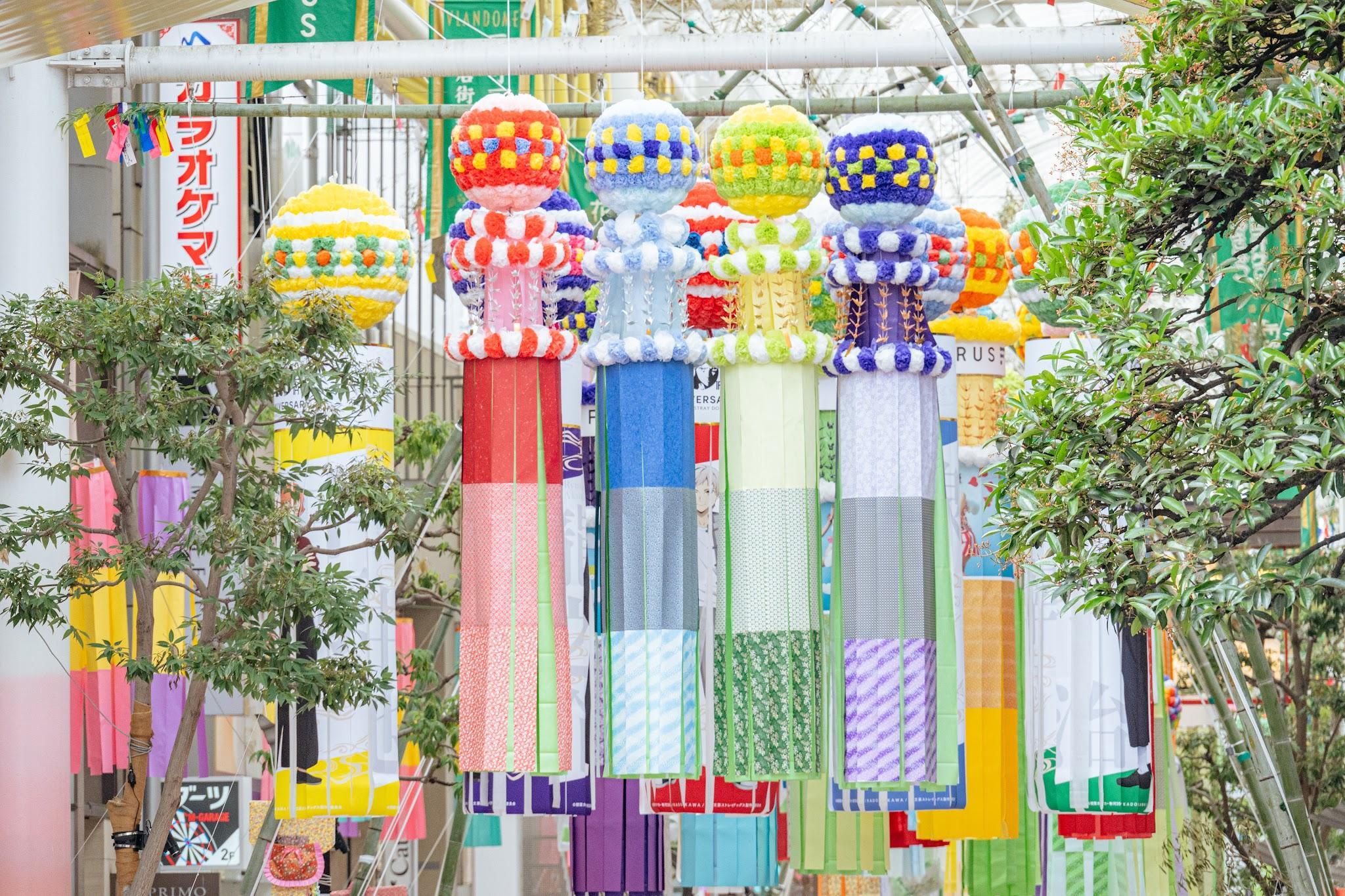
The city's colorful streets are part of a tradition that stretches back to the time of Date Masamune. Today, the Sendai Tanabata Festival is one of Japan’s best-known Tanabata celebrations and one of the Three Great Festivals of Tohoku.

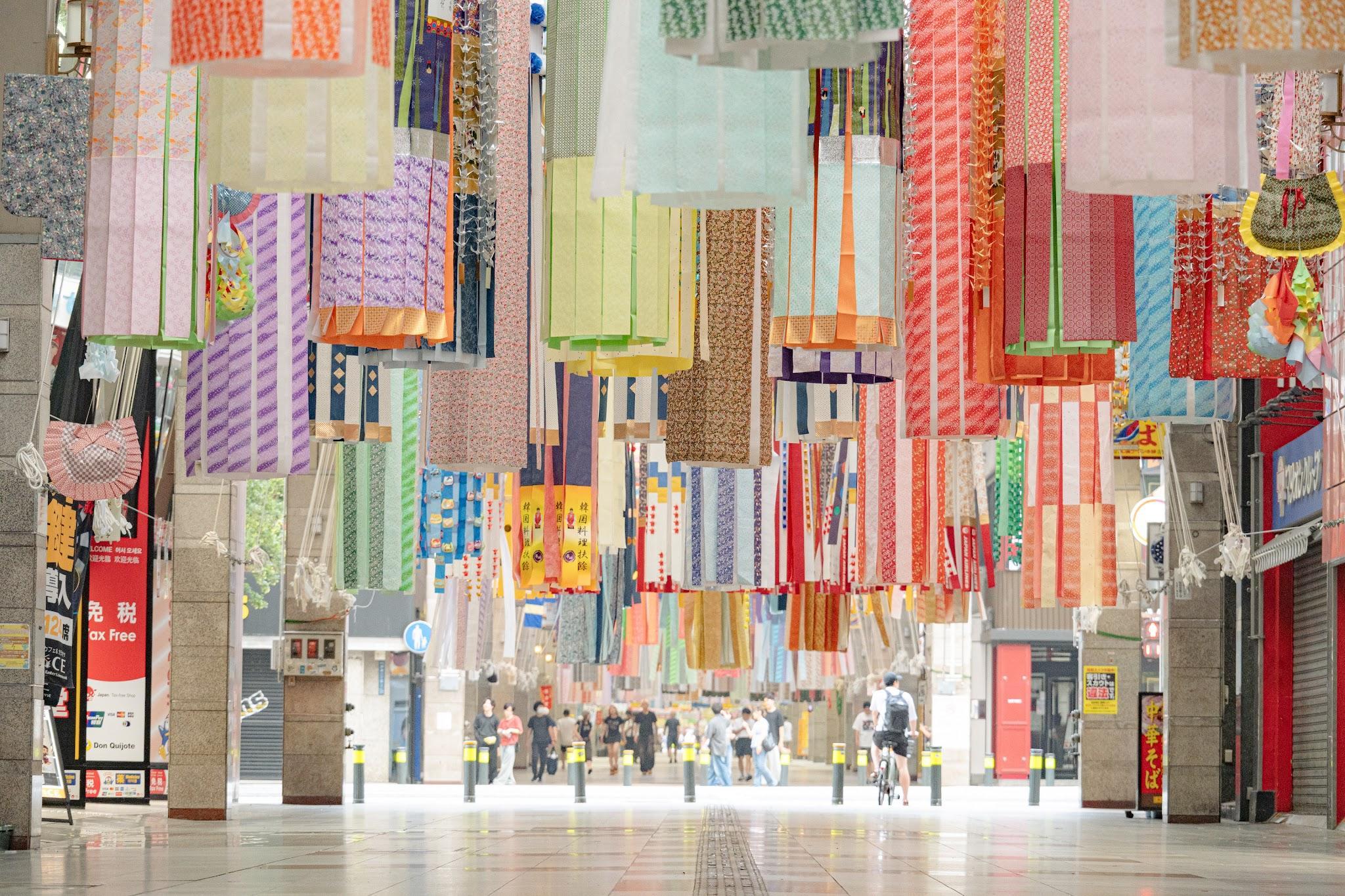
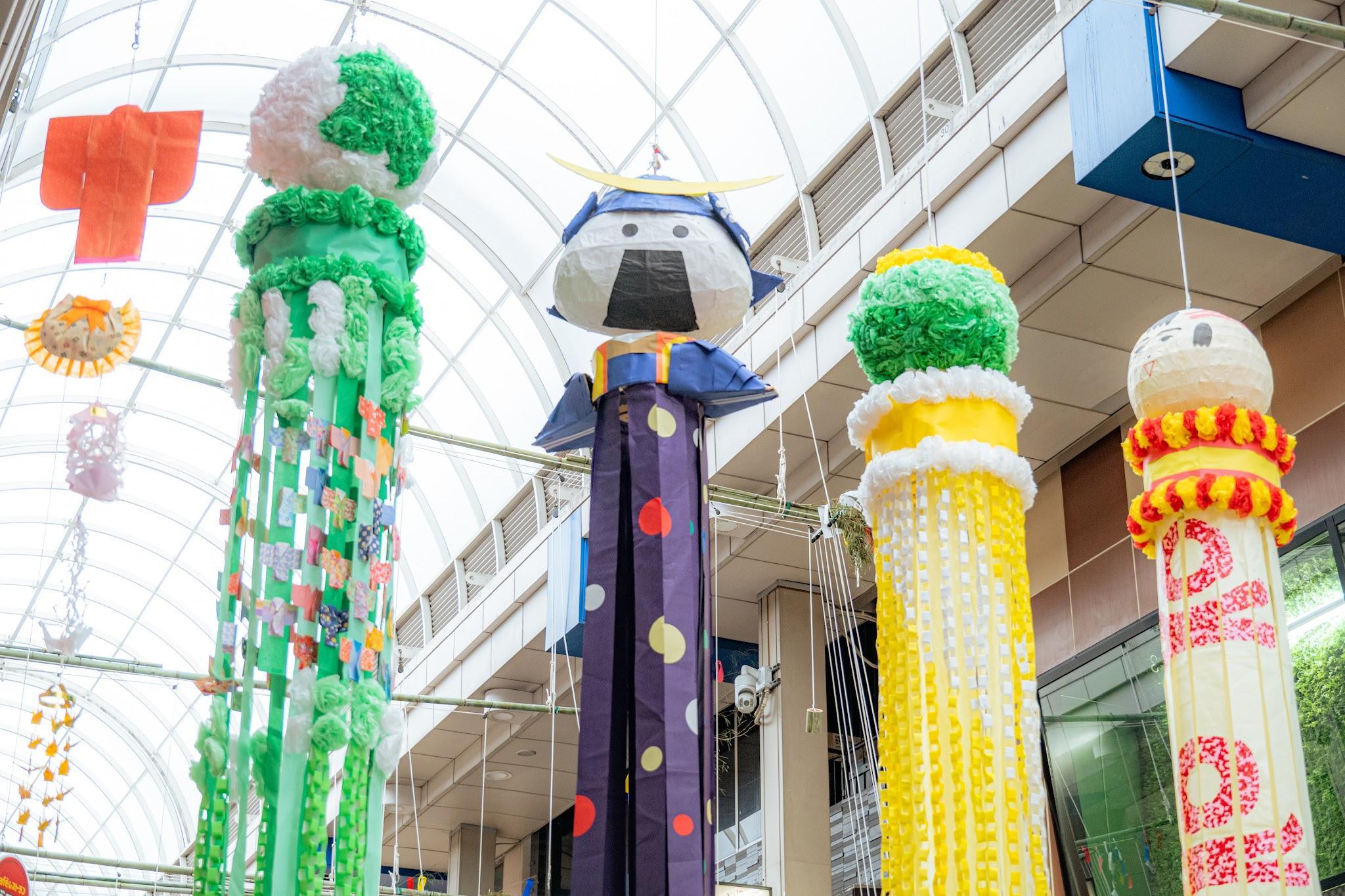
Each year from August 6 to 8, thousands of enormous Tanabata decorations are suspended from bamboo poles throughout the shopping arcades of central Sendai. Long, vivid streamers and intricate paper ornaments sway in the breeze, transforming the streets into seemingly endless tunnels of color.

Walking beneath them, surrounded by the bustle of the festival, there is as much pleasure in the details as in the spectacle itself. Each decoration has its own elaborate design, together capturing the festive atmosphere of summer in Sendai.

AddressCentral Sendai and surrounding local shopping districts

Useful Tip

The entrance to the shopping arcades is just a five-minute walk from the West Exit of Sendai Station. The festival draws large crowds, so an early start is well worth it: the streets are quieter, leaving more time and space to admire the Tanabata decorations at your own pace and capture them on camera.

From here, it’s back on the subway for lunch and a taste of another Sendai favorite: Mapo Yakisoba.

Beef tongue and zunda may be Sendai’s headline specialties, but Mapo Yakisoba is the kind of everyday favorite that has long had a place in local hearts.

Its beginnings were humble: what started as a staff meal at a Chinese restaurant found fame through the media and eventually became a Sendai specialty in its own right. The noodles are first steamed and dried, then fried until fragrant and lightly browned while staying satisfyingly chewy within. A generous helping of rich, spicy mapo tofu goes over the top, coating the noodles in a combination that’s hard to resist.
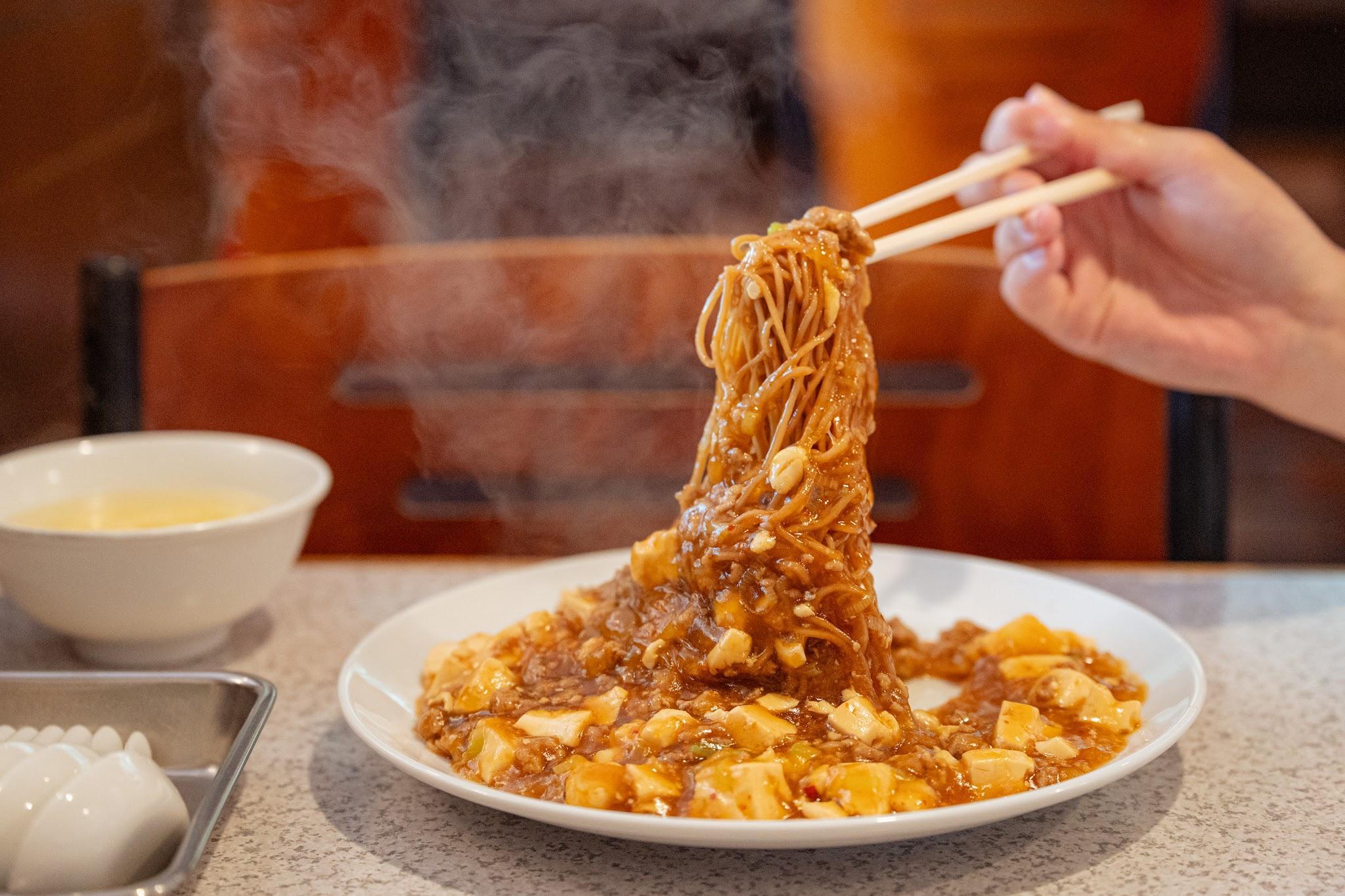
Sendai Mapo Yakisoba
Sendai Area

Chinese Restaurant Manmi

Chinese Restaurant Manmi

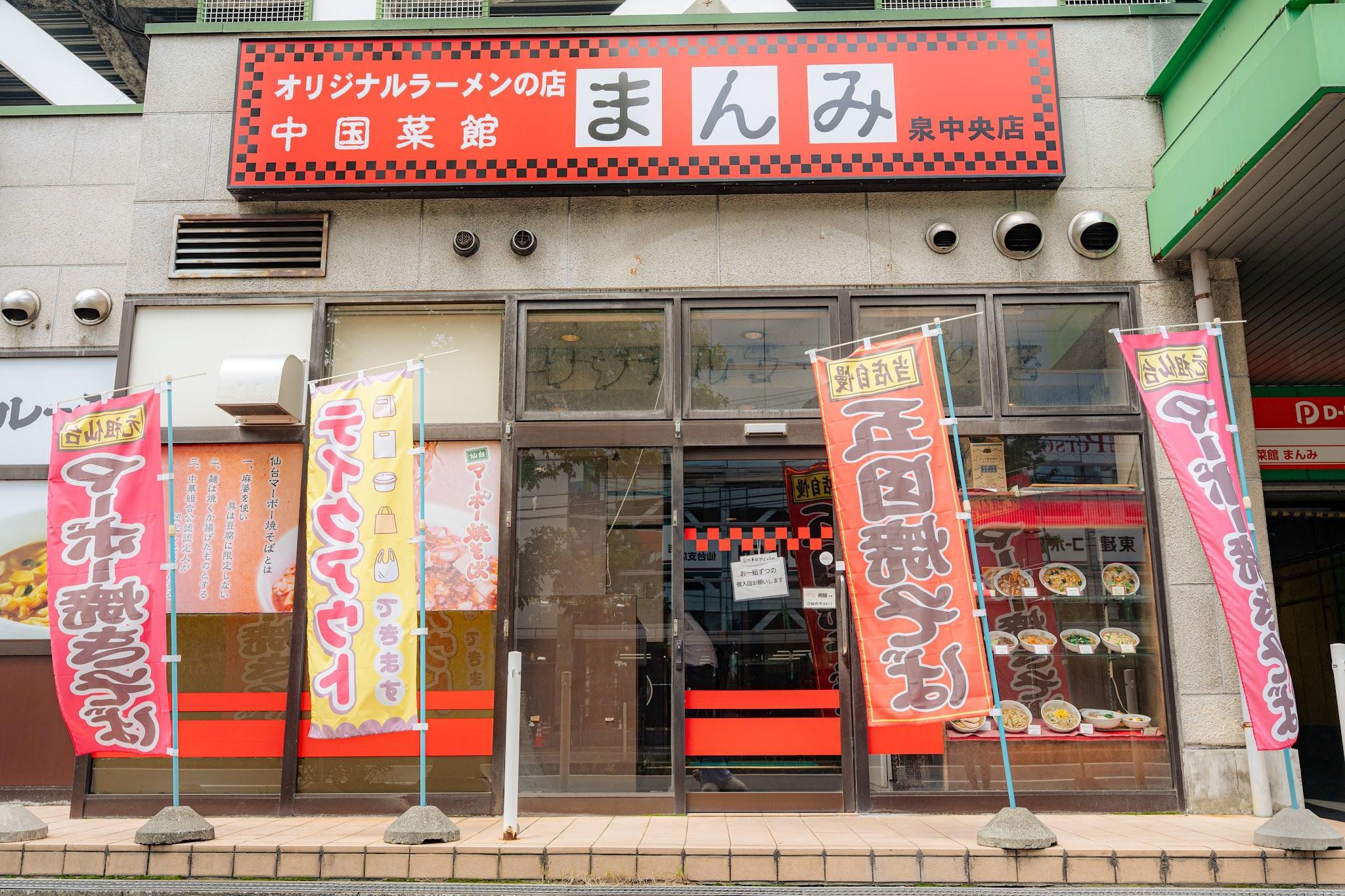
For a taste of Mapo Yakisoba at one of its original restaurants, head to Chinese Restaurant Manmi, a long-established restaurant with decades of history and one of the places credited with creating Sendai Mapo Yakisoba.

Here, lightly browned, fragrant noodles are paired with silky tofu, balanced seasoning and the restaurant’s signature sauce. The recipe has remained largely unchanged over the years—simple, deeply satisfying and still drawing food lovers in search of the dish that helped put Mapo Yakisoba on Sendai’s culinary map.

Address1-22-3 Izumi Chuo, Izumi-ku, Sendai, Miyagi

Access4-minute walk from Izumi-Chuo Subway Station

After lunch, the journey continues back to Sendai Station, where a bus from the West Exit runs directly to Akiu Onsen. Over the course of the hour-long ride, the city gradually gives way to the greenery of this peaceful hot spring town surrounded by nature.

The afternoon is for exploring on foot, following the water through dramatic gorges and on to one of the area’s most impressive waterfalls.

Sendai Area

Rairaikyo Gorge (Nozoki Bridge)

Rairaikyo Gorge (Nozoki Bridge)

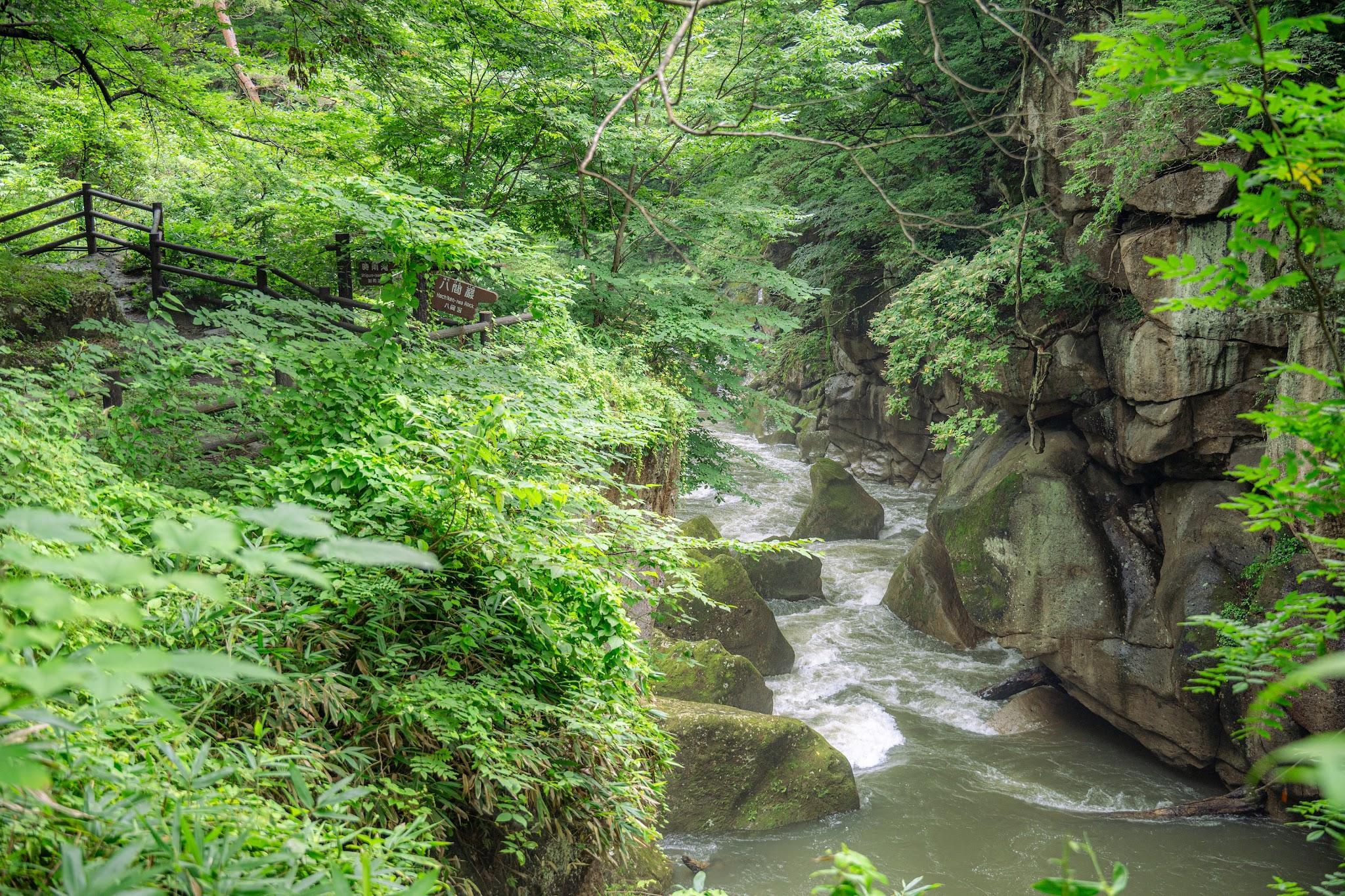
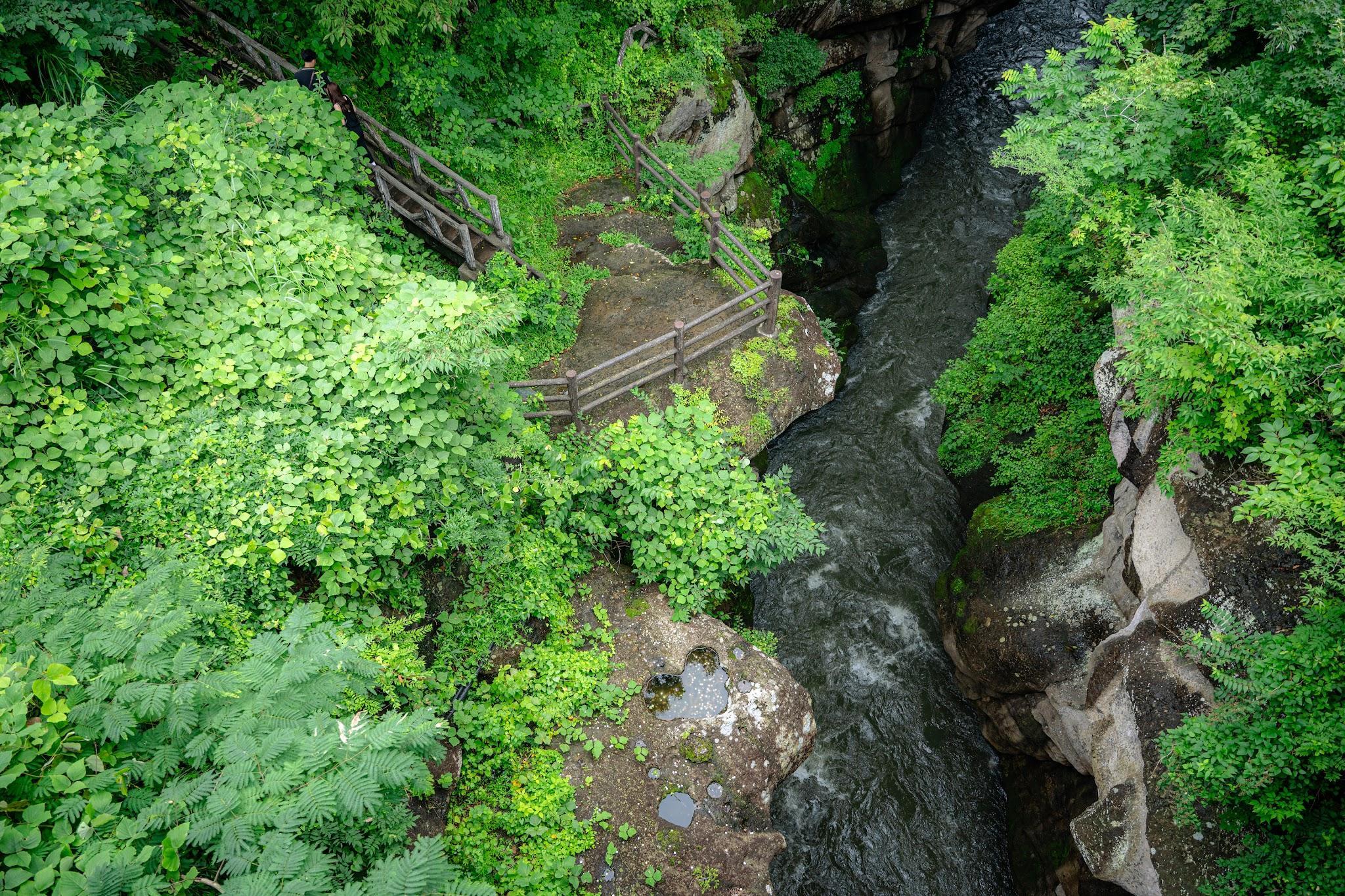
At the entrance to Akiu Onsen, the Natori River has carved Rairaikyo into a dramatic rocky gorge. A walking trail follows the clear water between towering boulders and unusual rock formations, offering a striking change of scene after the journey from Sendai.

There is a smaller detail to look out for at Nozoki Bridge. Peering down from the railing reveals a heart-shaped hollow in the rock below, formed naturally over time by erosion. The discovery has earned the spot recognition as a “Lovers’ Sanctuary,” adding an unexpected touch of romance to one of Akiu’s most scenic walks.

AddressBiwahara, Yumoto, Akiu-machi, Taihaku-ku, Sendai, Miyagi

AccessAround 50 minutes by bus from the West Exit bus terminal at JR Sendai Station; get off at Nozoki Bridge, just steps from the gorge.

From the Akiu Sato Center bus stop, take a Miyagi Kotsu or Sendai City Bus toward Akiu Otaki. The journey takes around 25 minutes; services are limited, so be sure to check the timetable in advance.

Sendai Area

Akiu Otaki Falls

Akiu Otaki Falls
Akiu Otaki Falls

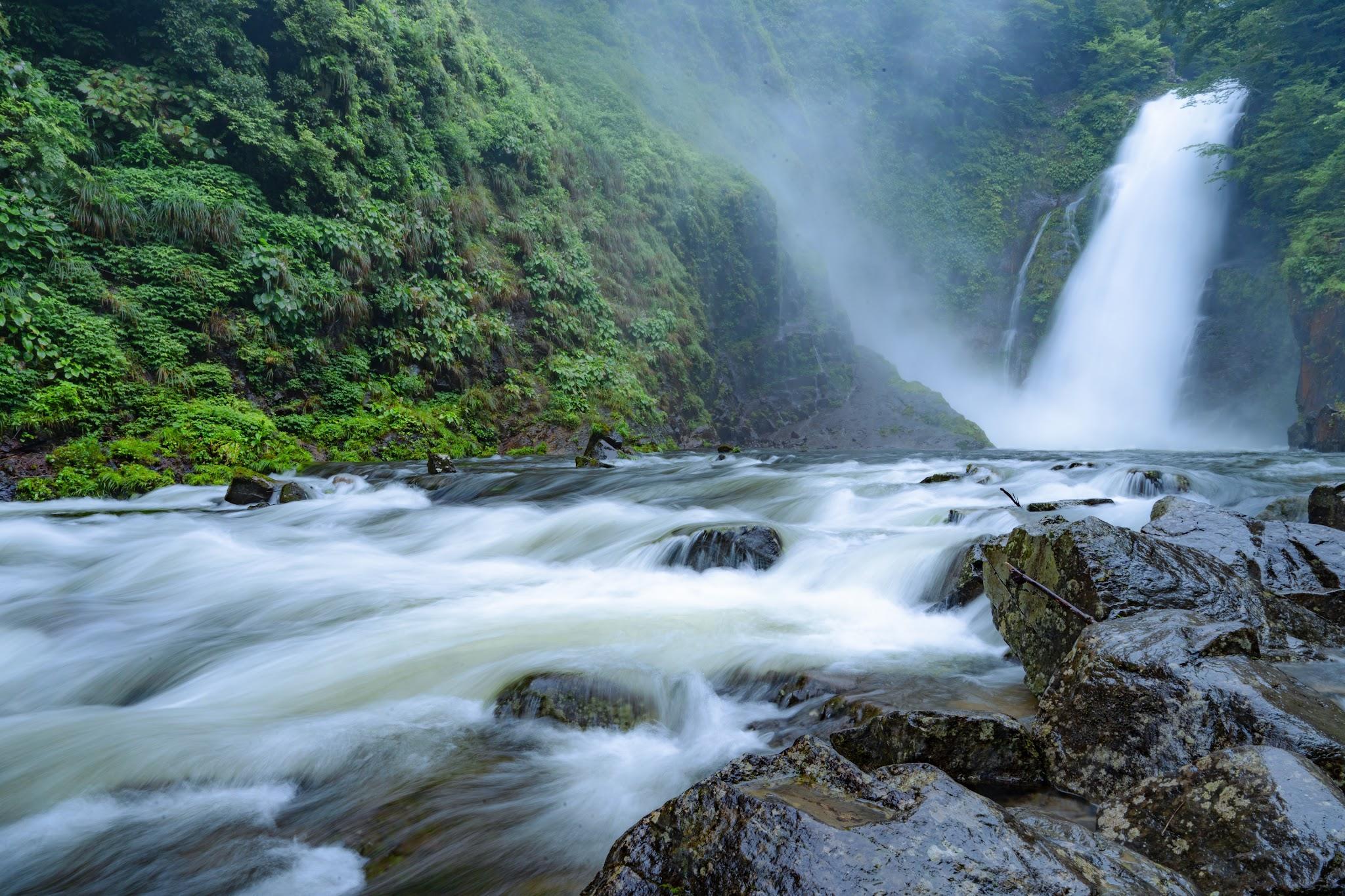
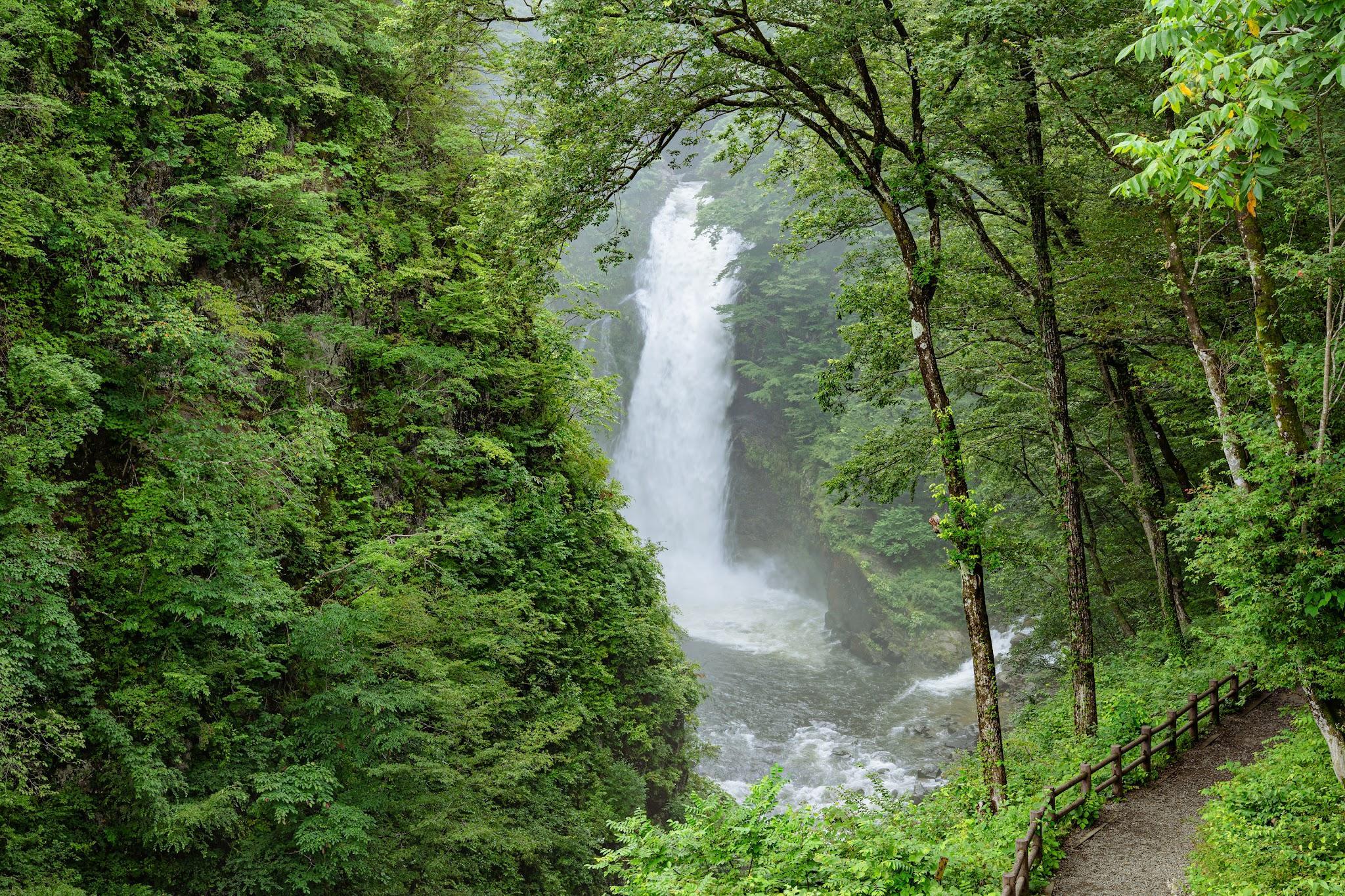
At 55 meters high and around six meters wide, Akiu Otaki is sometimes counted alongside Kegon Falls in Nikko and Nachi Falls in Kumano as one of Japan’s Three Great Waterfalls.

A vast volume of water plunges from the cliff in a single powerful drop, its roar echoing through the gorge as clouds of fine spray rise from below. In summer, the mist and cool air around the falls offer a refreshing escape from the heat—and a spectacular finale to an afternoon in Akiu.

AddressOtaki, Baba, Akiu-machi, Taihaku-ku, Sendai, Miyagi

AccessAround 60–80 minutes by bus from the West Exit bus terminal at JR Sendai Station; get off at Akiu Otaki.

Useful Tip

Wear comfortable shoes with good grip if you plan to visit the viewpoint or follow the trail down toward the base of the falls. Rocks beside the stream can be wet and slippery, so take extra care with your footing when getting closer to the water.

As the afternoon in Akiu draws to a close, the bus carries you back into central Sendai. With plenty of restaurants and shops nearby, the evening is easy to make your own—perhaps over a plate of the city’s famous beef tongue, followed by a little shopping before turning in for the night.

Accommodation in this part of the city ranges from international luxury brands and practical business hotels to distinctive design-led stays. Excellent transport connections also make the area a convenient base for exploring the rest of Miyagi.

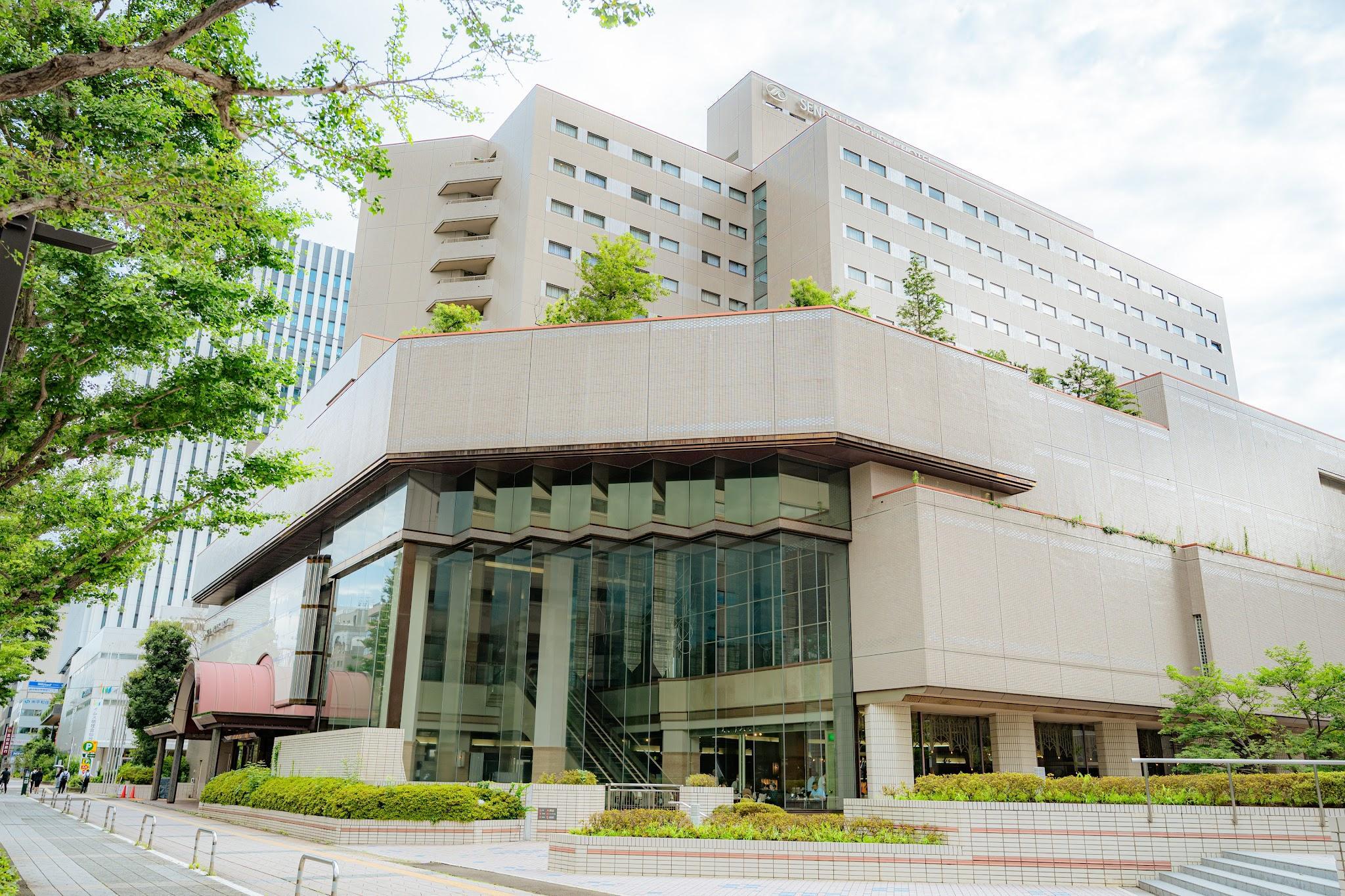
Among the options close to the station is the Sendai Kokusai Hotel, an elegant city-center hotel within walking distance of both Sendai Station and the downtown area. Inside, spacious, refined surroundings and attentive service offer a welcome place to unwind after a full day on the move.

Its central location also leaves plenty of the city within easy reach, should you feel like venturing out again before calling it a night.

Sendai Area

Sendai Kokusai Hotel

Sendai Kokusai Hotel

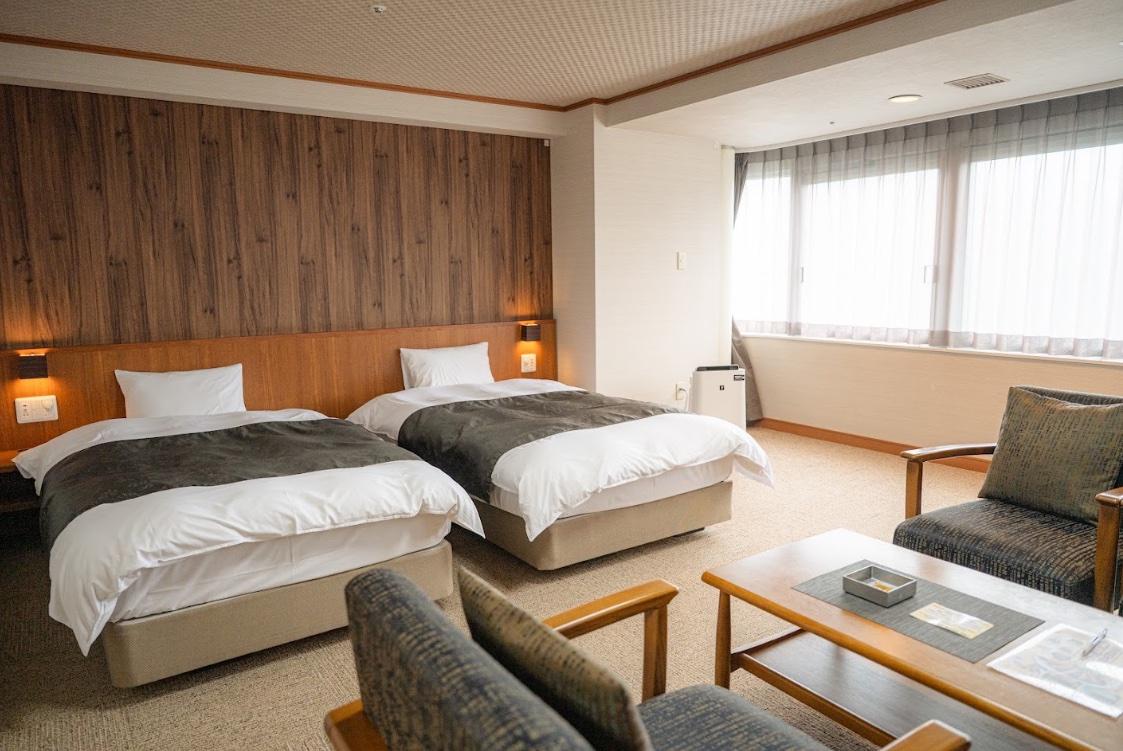
The hotel’s long history is reflected in its understated sense of elegance. A soaring atrium gives the lobby a refined, classic feel, while the guest rooms offer more space to settle in than the average business hotel.

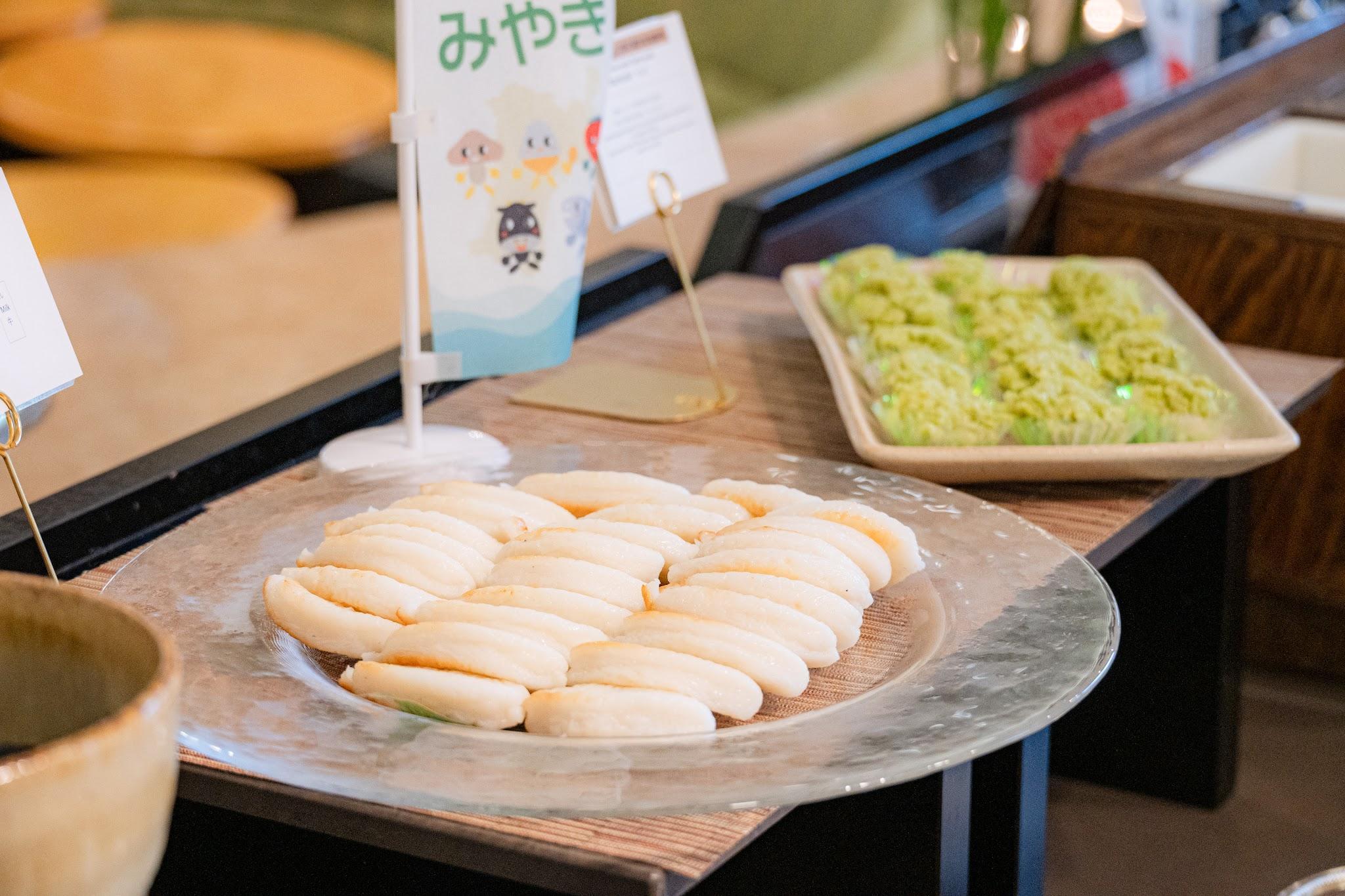
Come morning, the focus turns to Miyagi at the generous breakfast buffet. Local rice is served alongside regional favorites such as sasa-kamaboko fish cakes and zunda mochi, offering one more taste of the prefecture before the next day’s journey begins.

Address4-6-1 Chuo, Aoba-ku, Sendai, Miyagi

Access5-minute walk from JR Sendai Station
DAY 2

Shiogama, Ishinomaki & Naruko: Build Your Own Seafood Bowl, Explore Cat Island and Unwind in Naruko Onsen

The second day begins with the scent of the sea and the sound of ferry horns. An early JR train carries you to the port town of Shiogama, where the morning unfolds among the bustle of the market, choosing fresh seafood to create a bowl entirely to your taste.

By afternoon, the route moves out across the water to Tashirojima, an island said to be home to more cats than people. With cats seemingly around every corner, there is time to slow down and enjoy the island before the ferry carries you back to the mainland.

As evening approaches, the scenery changes once again. The Rikuu East Line heads inland toward Naruko Onsen, surrounded by mountains and far removed from the coast of the morning. A long soak in the hot springs brings the day to a fittingly peaceful close.

Around 30 minutes by JR train

Matsushima Area

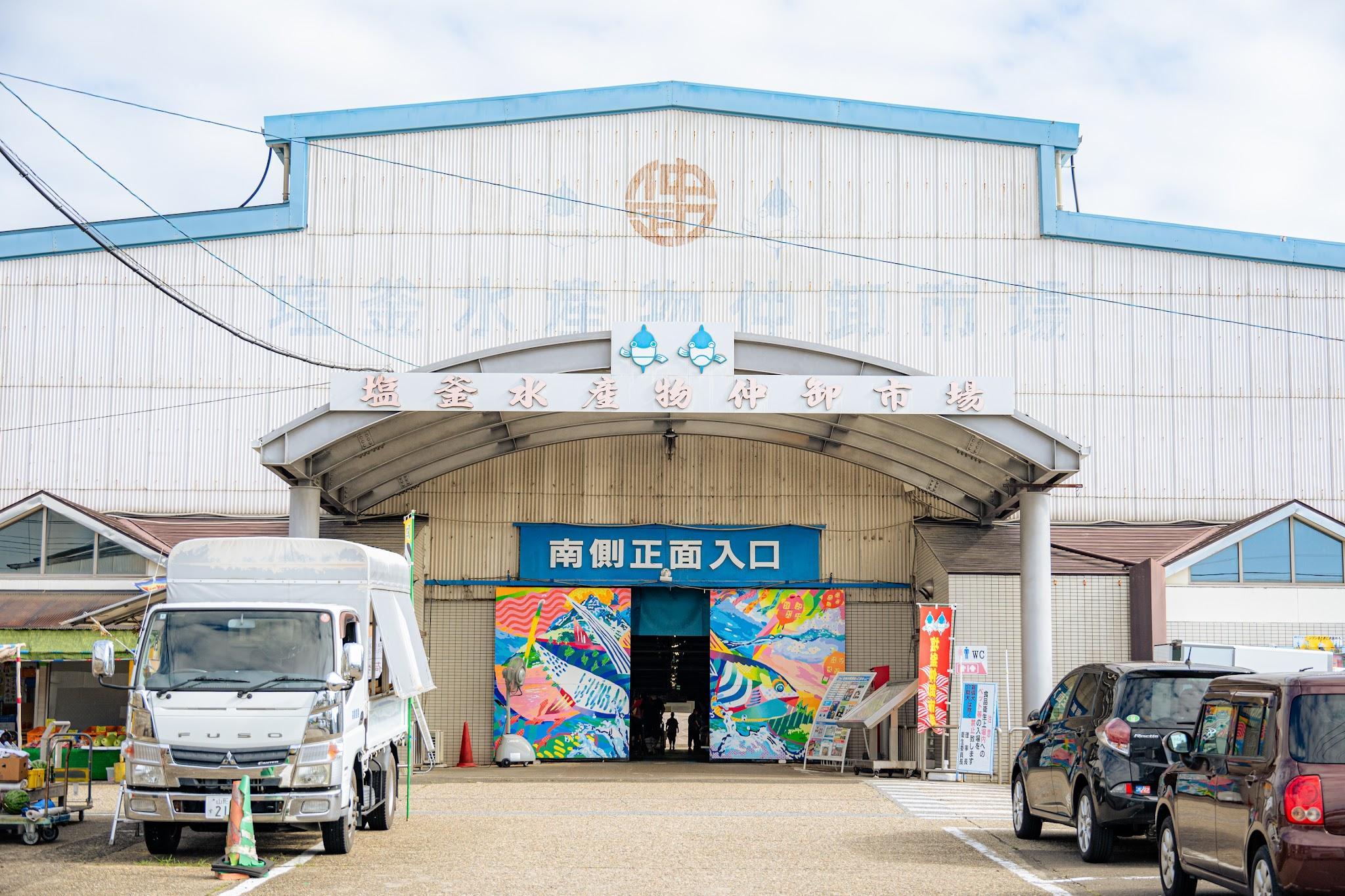
Shiogama Seafood Wholesale Market

Shiogama Seafood Wholesale Market

Shiogama is known as one of Japan’s leading tuna ports, and its seafood wholesale market brings the morning’s catch together under one roof. Hundreds of stalls fill the market, their counters lined with fresh seafood landed that very day.

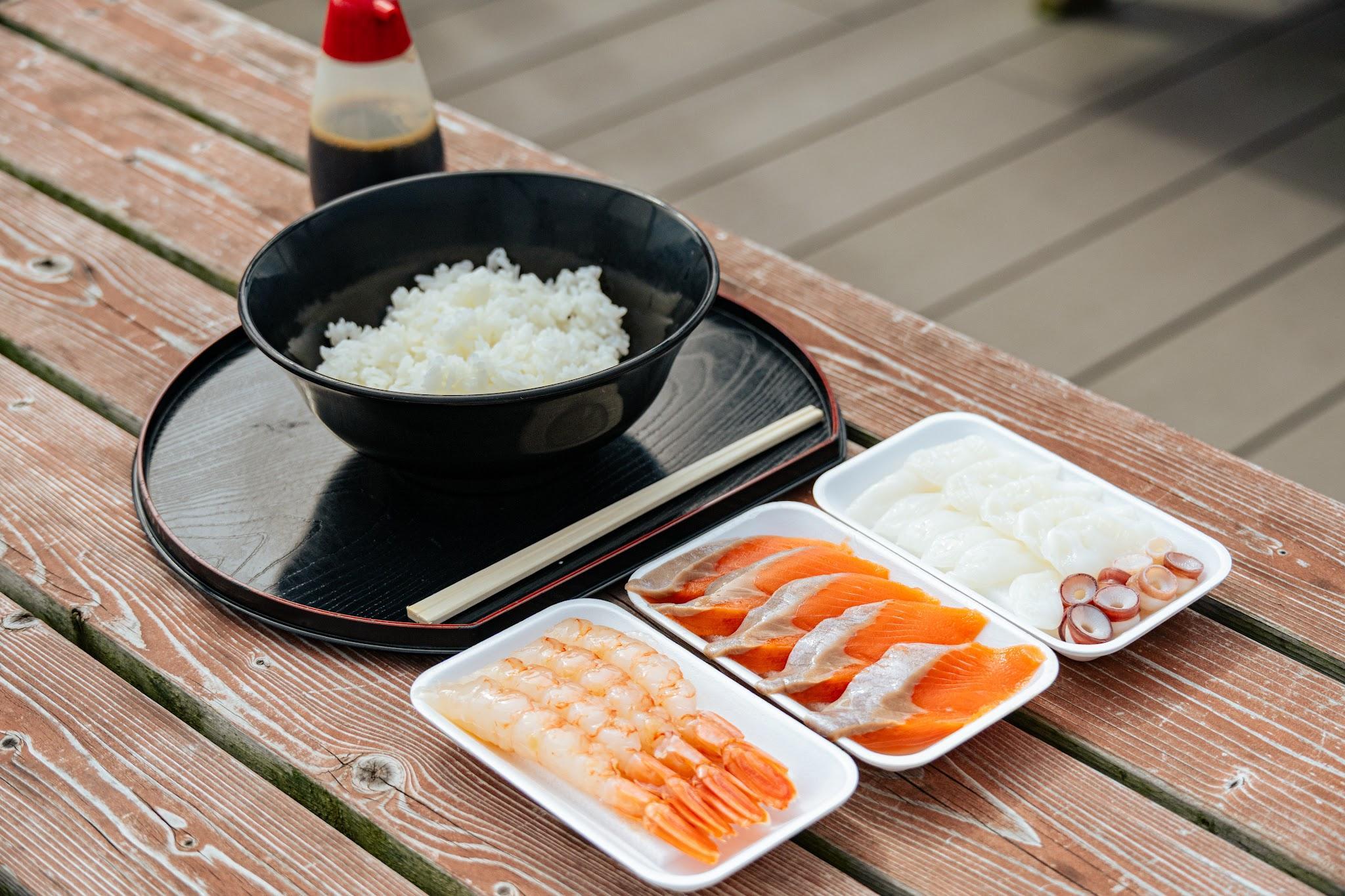
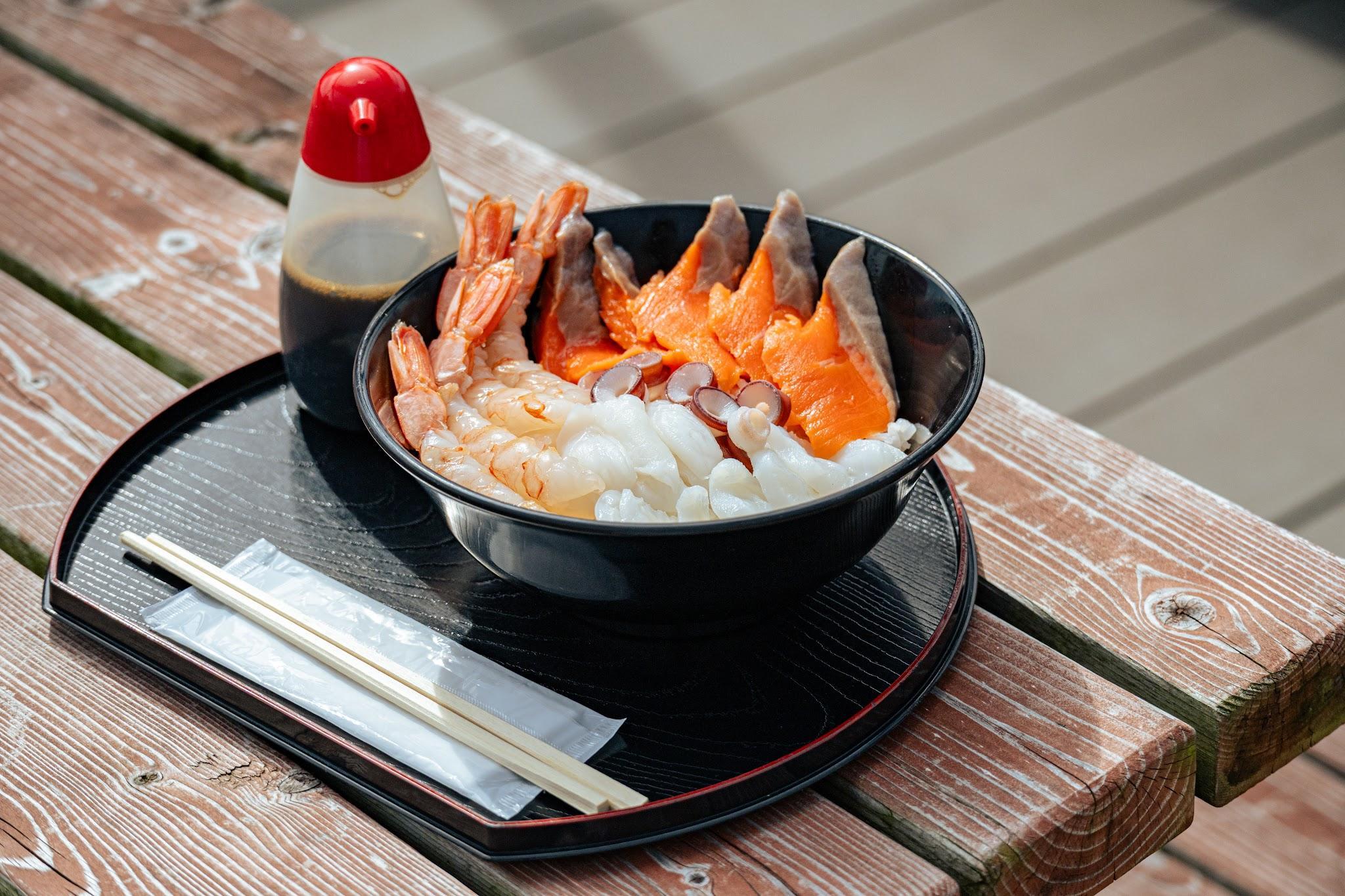
One of the highlights is building your own seafood bowl. Wander between the stalls choosing whatever catches your eye—sashimi, tuna, sweet shrimp, salmon roe, sea urchin and more—then pick up a set of rice and miso soup and arrange your finds on top.

From browsing the stalls to assembling the finished bowl, choosing each ingredient is part of the fun. The result is a seafood feast made entirely to your taste, and one of the most enjoyable ways to experience Shiogama’s famous seafood culture.

Address1-20-74 Shinhama-cho, Shiogama, Miyagi

AccessAround 30 minutes from JR Sendai Station on the Senseki Line; get off at Higashi-Shiogama Station, then walk for around 15 minutes.
After enjoying a fresh and delicious seafood bowl at the "Shiogama Seafood Wholesale Market", walk back to Higashi-Shiogama Station and hop on the JR Senseki Line to continue your journey along the coast.

Once you arrive at Ishinomaki Station, make your way to "Ishinomaki Chuo Ferry Terminal", which is about a 15-minute walk from the station.

From there, embark on a scenic boat ride of approximately 40–50 minutes. As sunlight sparkles across the water and the silhouettes of distant islands gradually come into view, your excitement and anticipation for the mysterious Cat Island will only continue to grow!

JR Higashi-Shiogama StationApprox. 30 mins by JR trainJR Ishinomaki StationApprox. 15 mins on footAjishima Line - Ishinomaki Chuo PortApprox. 40-50 mins by ferry
Sanriku Coast Area

Tashirojima Island (Cat Island)

Tashirojima Island (Cat Island)

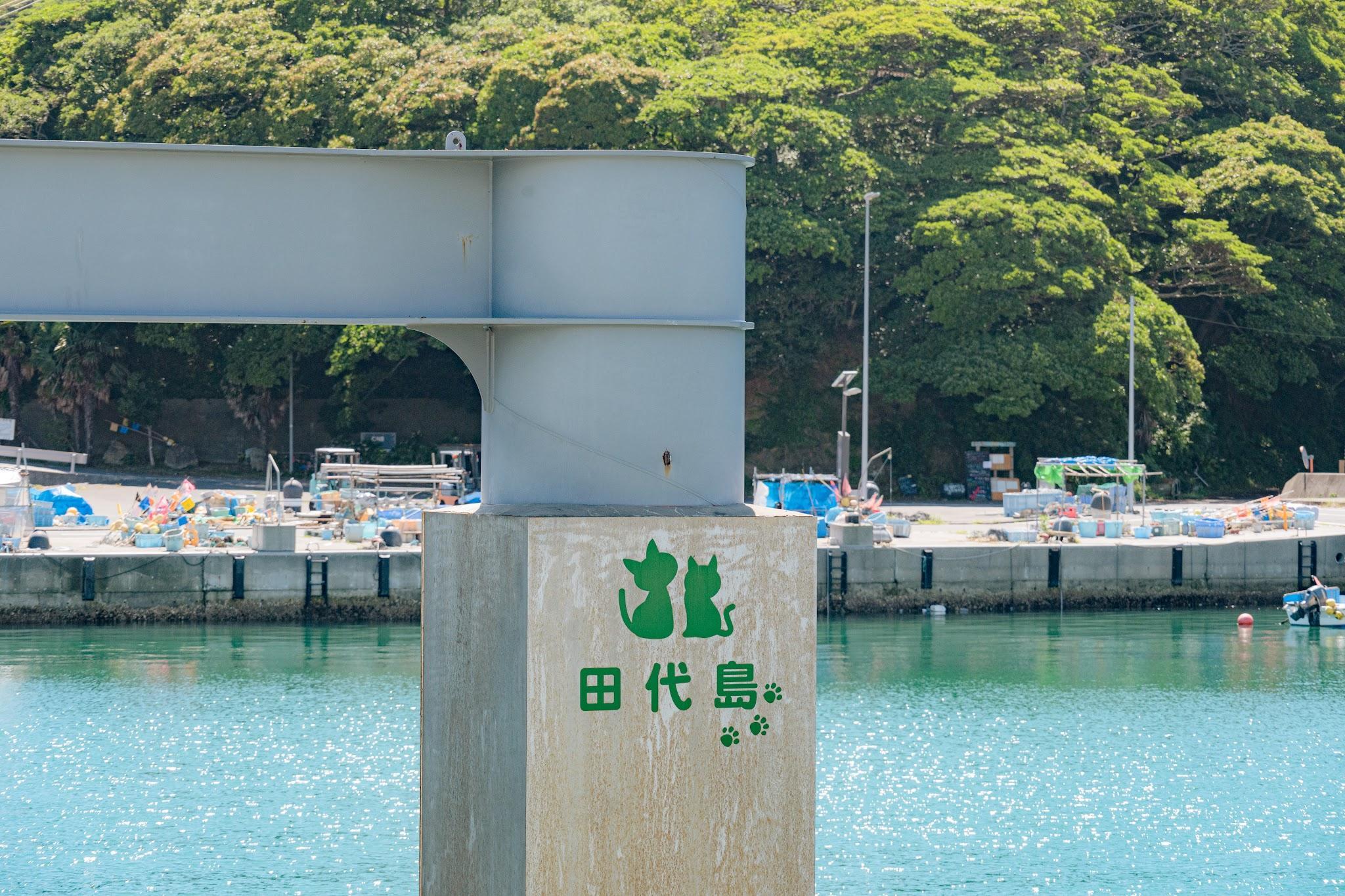
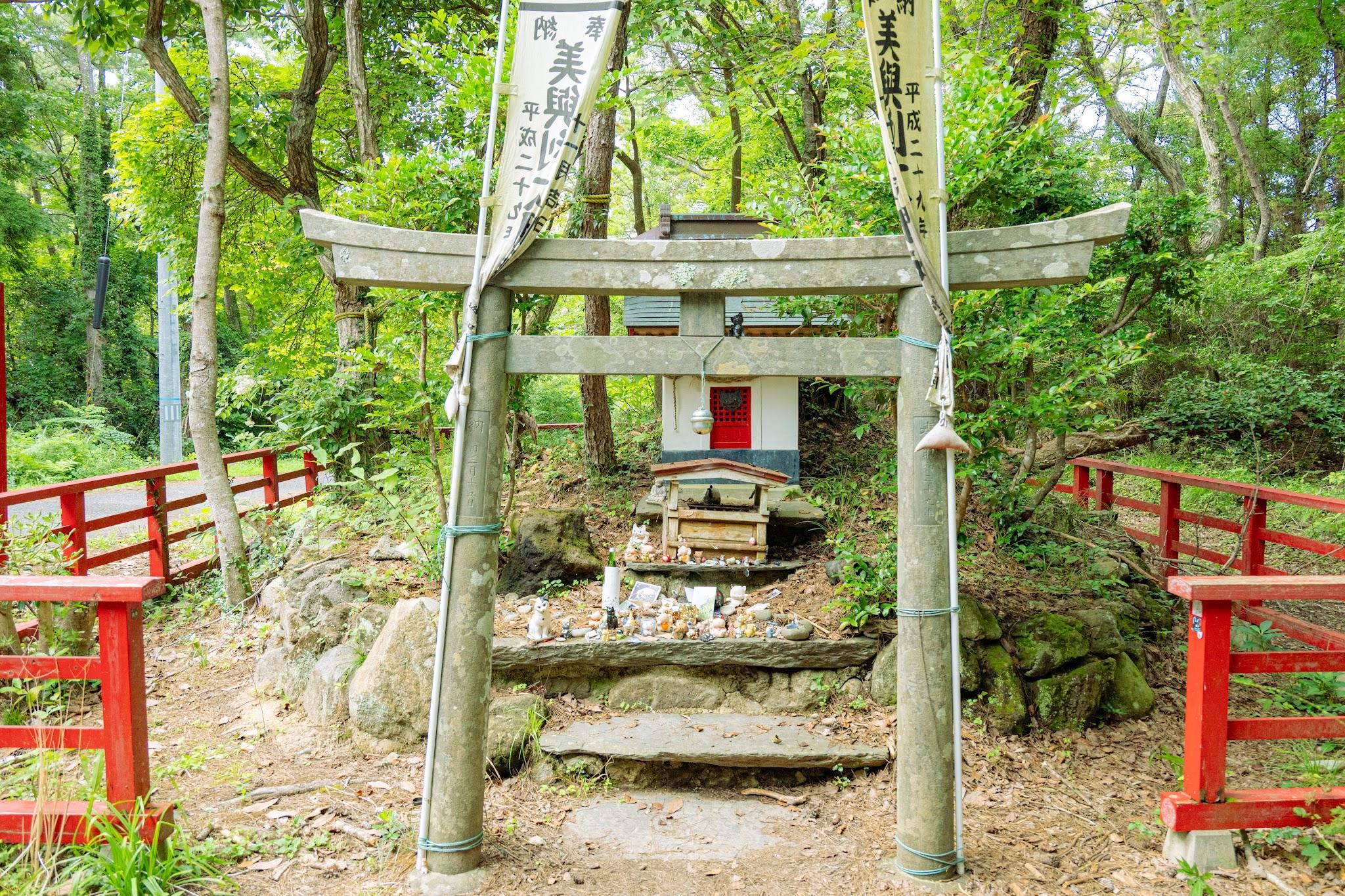
Floating just off the coast of Ishinomaki, Tashirojima is a world-famous “Cat Island.” Cats have long been cherished on the island as guardians of the local fishing industry, and the island is even home to a "Cat Shrine", dedicated to these beloved animals.

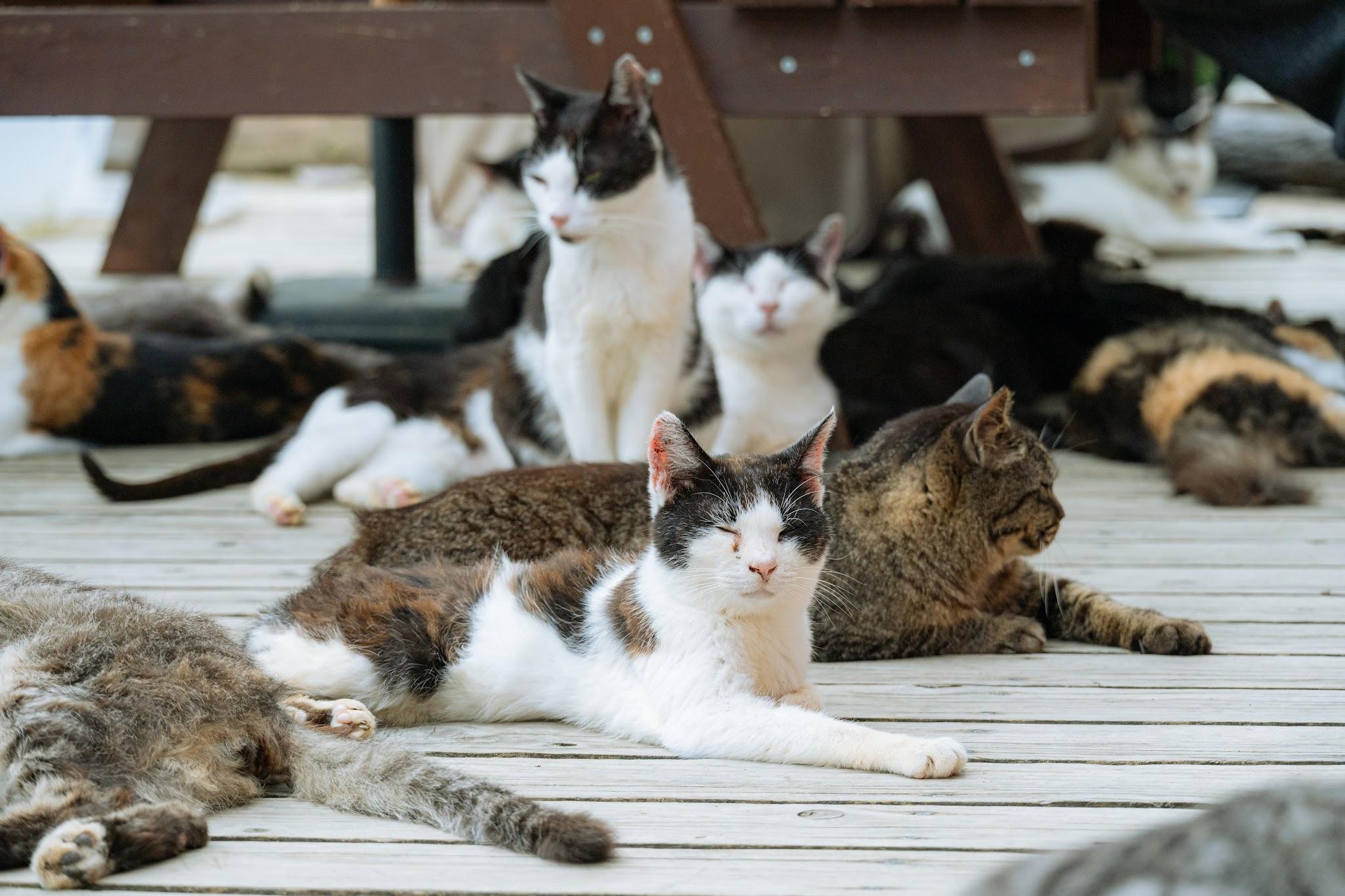
As you walk through the port-side settlement and along the wooden lanes, you’ll come across cats here and there—basking in the sun, leisurely strolling around, or even coming up to you in a friendly way.

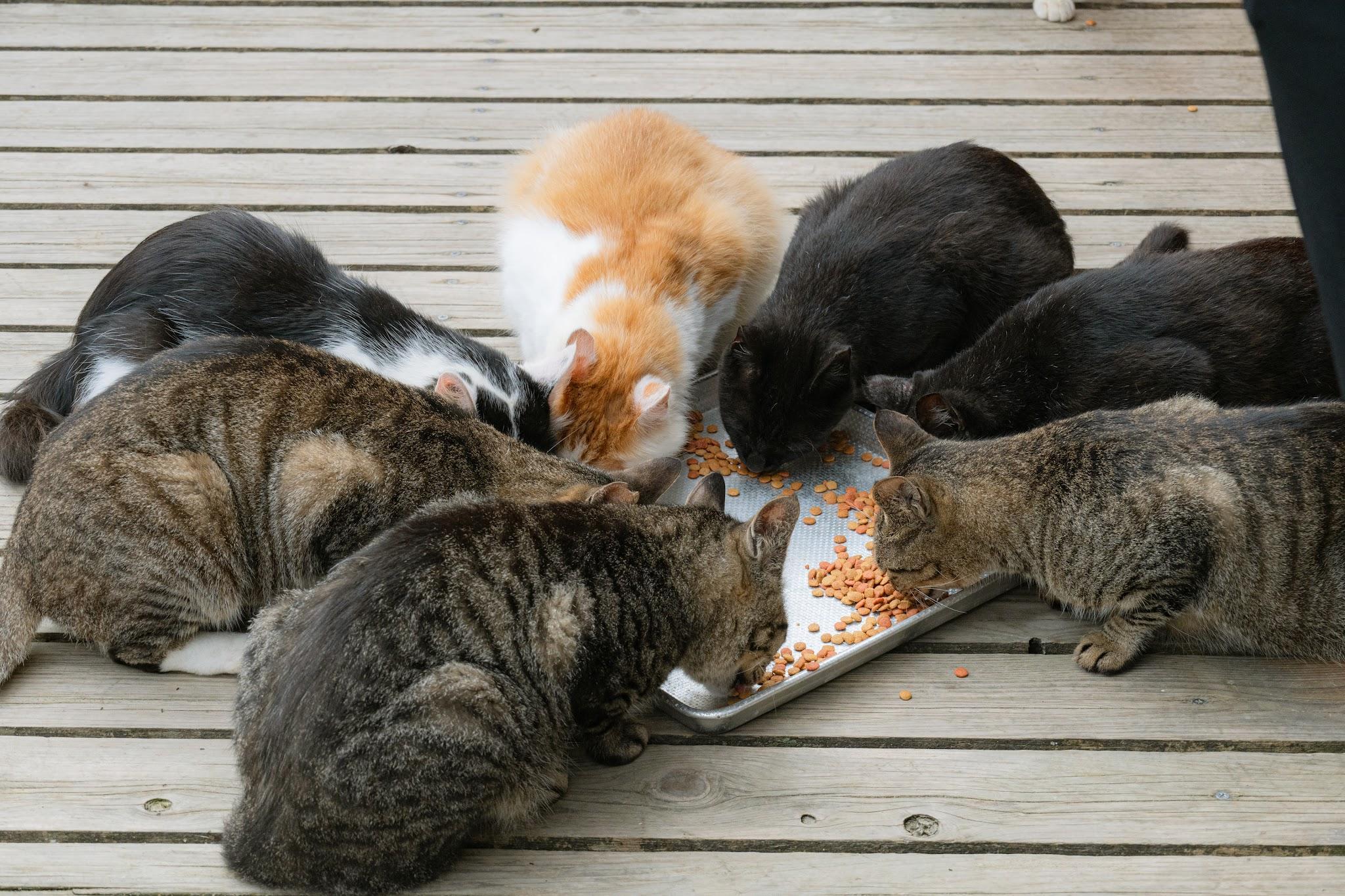
Every day at 12:00 PM and 3:00 PM, it’s feeding time. Watching the cats gather one after another and enjoy their meals is a heartwarming moment you’ll definitely want to experience when visiting the island.

Please note that visitors are not allowed to feed the cats with food they bring themselves. When visiting Tashirojima, please follow the local rules and enjoy your time with the cats.

AddressTashirohama, Ishinomaki, Miyagi

AccessFrom JR Ishinomaki Station, take a bus for approximately 18 minutes and get off at Kadowaki 2-chome Station. The ferry terminal is about a 3-minute walk from the bus stop. From the Ishinomaki・Kyu-Kitakami River Ferry Terminal, it takes approximately 45 minutes by boat.

Sanriku Coast Area

Manga Island

Manga Island
Manga Island

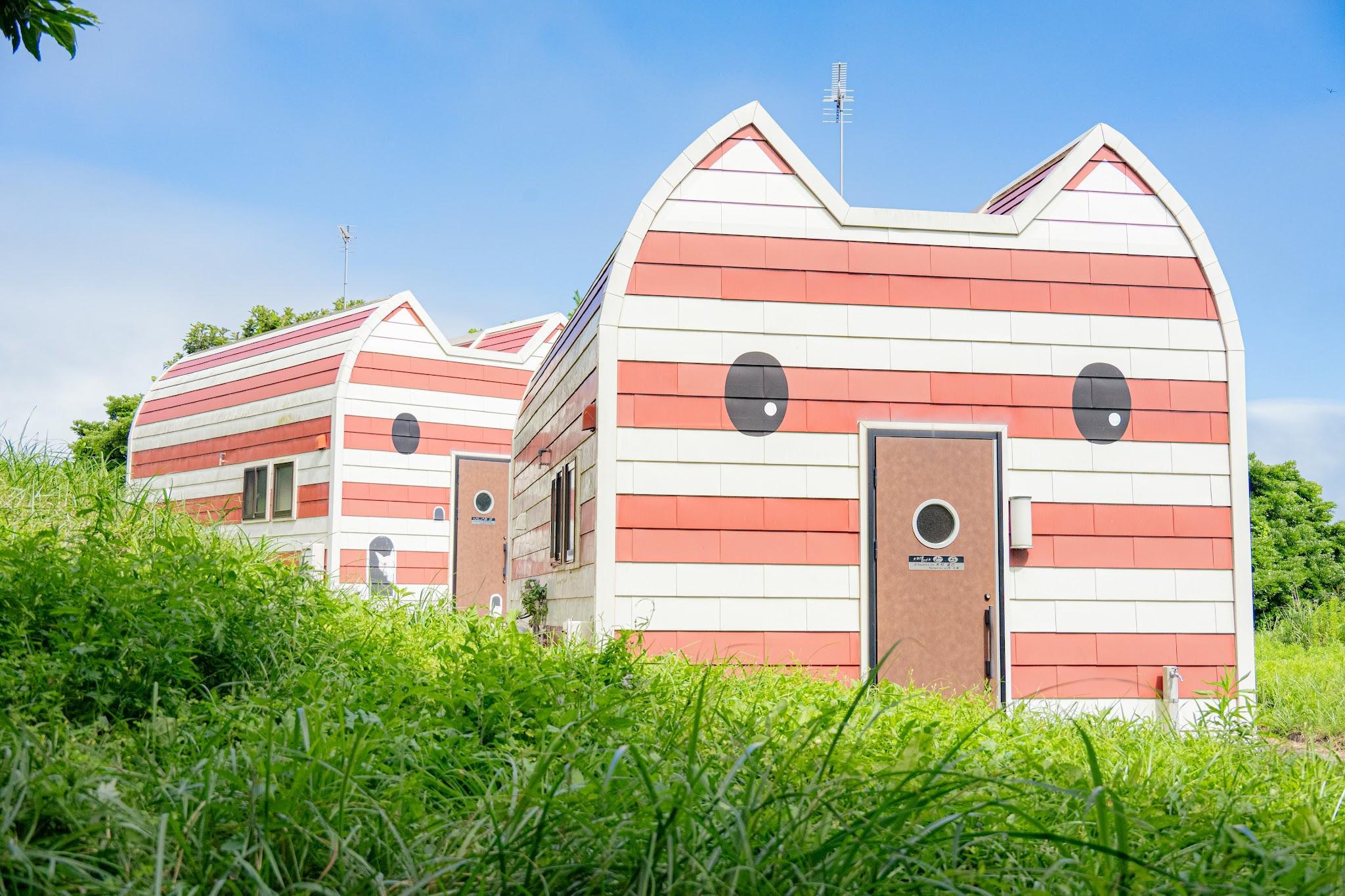
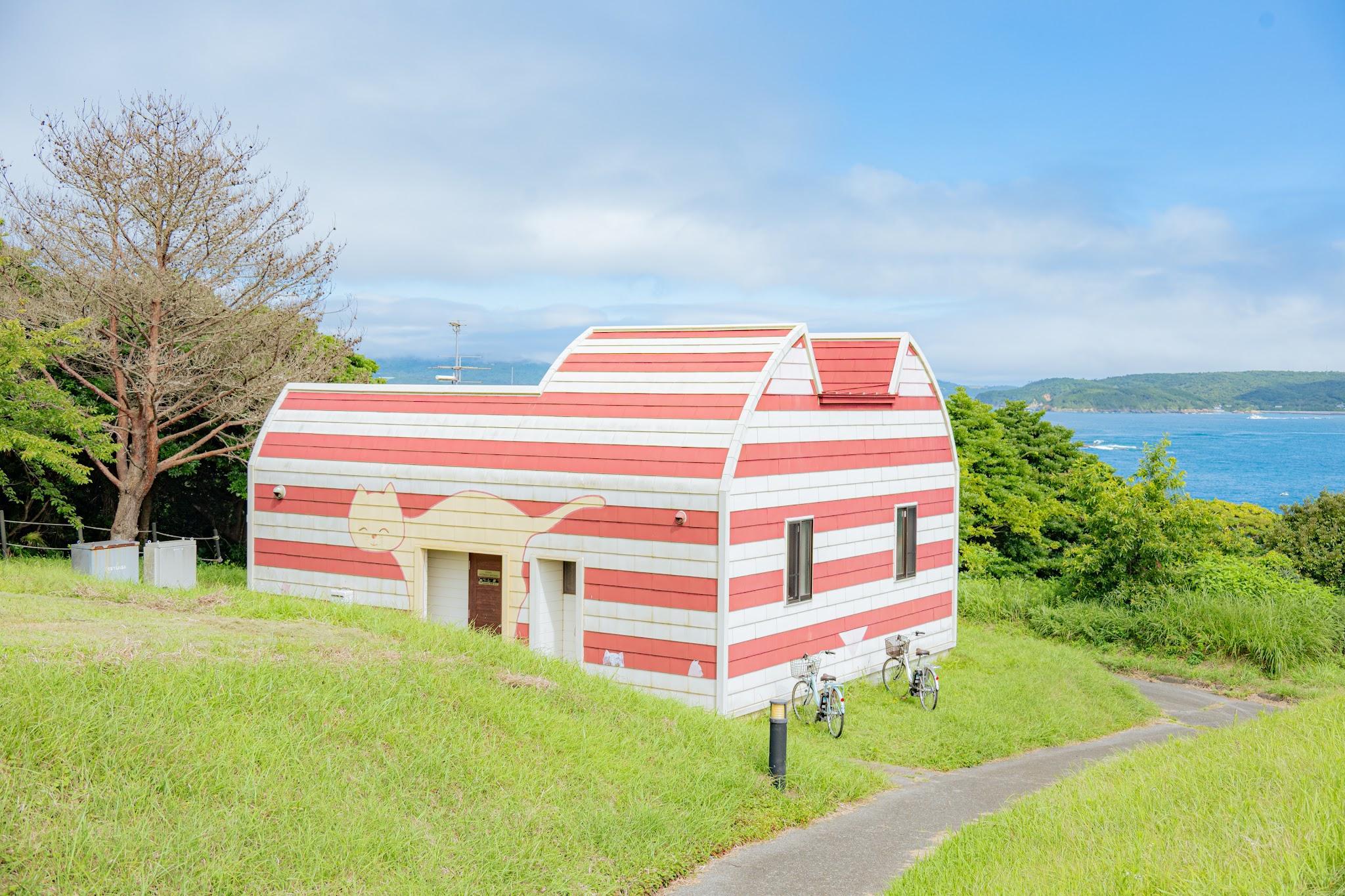
Tashirojima is also home to charming “Manga Island” cottages designed by manga artists, including Tetsuya Chiba. Here, you can enjoy the island’s playful and whimsical atmosphere.

Address24 Shikishima Tashirohama, Ishinomaki, Miyagi

Useful Tip

Ferry services may be suspended due to waves, weather conditions, or other factors. Before your departure, please check the latest service information by phone or on the official website.

Take the 3:30 PM ferry and reluctantly say goodbye to the cats of Tashirojima as you make your way back to "Ishinomaki Port". From there, head back to "Ishinomaki Station" and board a train as it runs through the city at dusk, bidding farewell to the expansive blue coastline.

From here, the journey takes a turn inland, embarking on one of the most atmospheric railway journeys of the trip. Change trains at Furukawa Station and board the JR Rikuu East Line, affectionately known as the “Oku-no-Hosomichi Yu-Kemuri Line,” as you make your way deep into the mountains.

As the train travels west, the lively cityscape outside the window gradually gives way to mountains cloaked in deep green and the gently flowing Eai River. As night begins to fall, the train quietly arrives at "Naruko-Onsen Station", where the scent of sulfur drifts through the air.

At the end of the day, Naruko Onsen Yumoto Kissho awaits on a hillside overlooking the hot spring town. Its baths draw on Naruko’s celebrated waters, part of a hot spring tradition stretching back more than a thousand years.

Smooth and gentle on the skin, the hotel’s own natural spring water is an inviting place to soak away the fatigue of a day spent traveling along the coast.

Northern Miyagi Area

Naruko Onsen Yumoto Kissho

Naruko Onsen Yumoto Kissho

Surrounded by the mountains of Naruko, Yumoto Kissho is a traditional Japanese-style ryokan shaped by the town’s thousand-year hot spring heritage and warm hospitality.

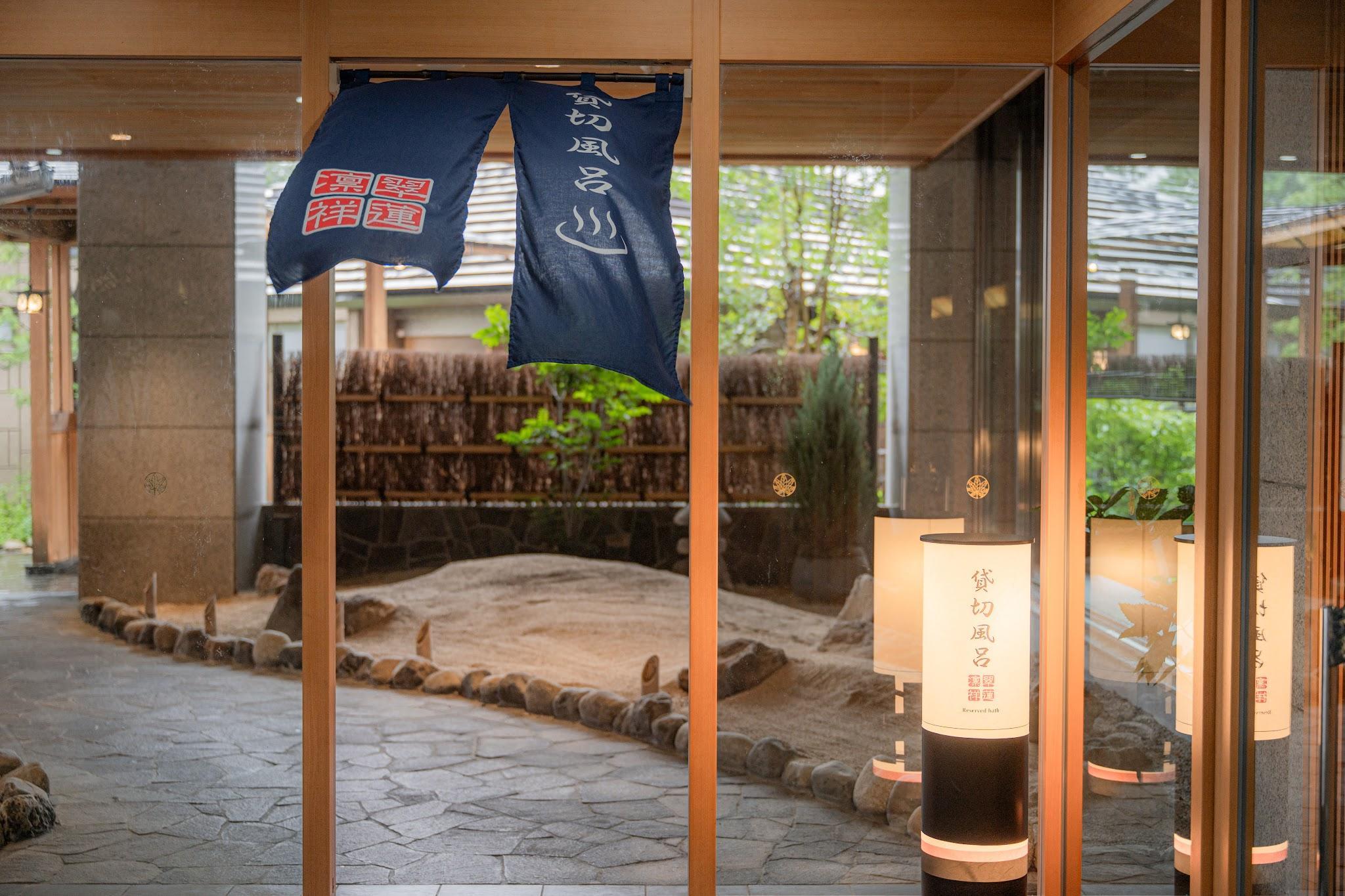
After changing into one of the colorful yukata, the private open-air baths offer a quiet place to unwind. Fed directly from the natural spring and free for guests to use, they offer the rare luxury of having the warm, soothing waters entirely to yourself.

Dinner brings the flavors of Miyagi to the table, with dishes showcasing seasonal ingredients from across the prefecture. As night settles over the mountains, the rising steam and stillness of the hot spring town create just the setting to slow down, settle in and enjoy Naruko at its most peaceful.

Address58-10 Yumoto, Naruko Onsen, Osaki, Miyagi

DAY 3

Naruko, Iwadeyama & Sendai: A Morning in the Hot Spring Town, a Sensory Museum and Back to Sendai

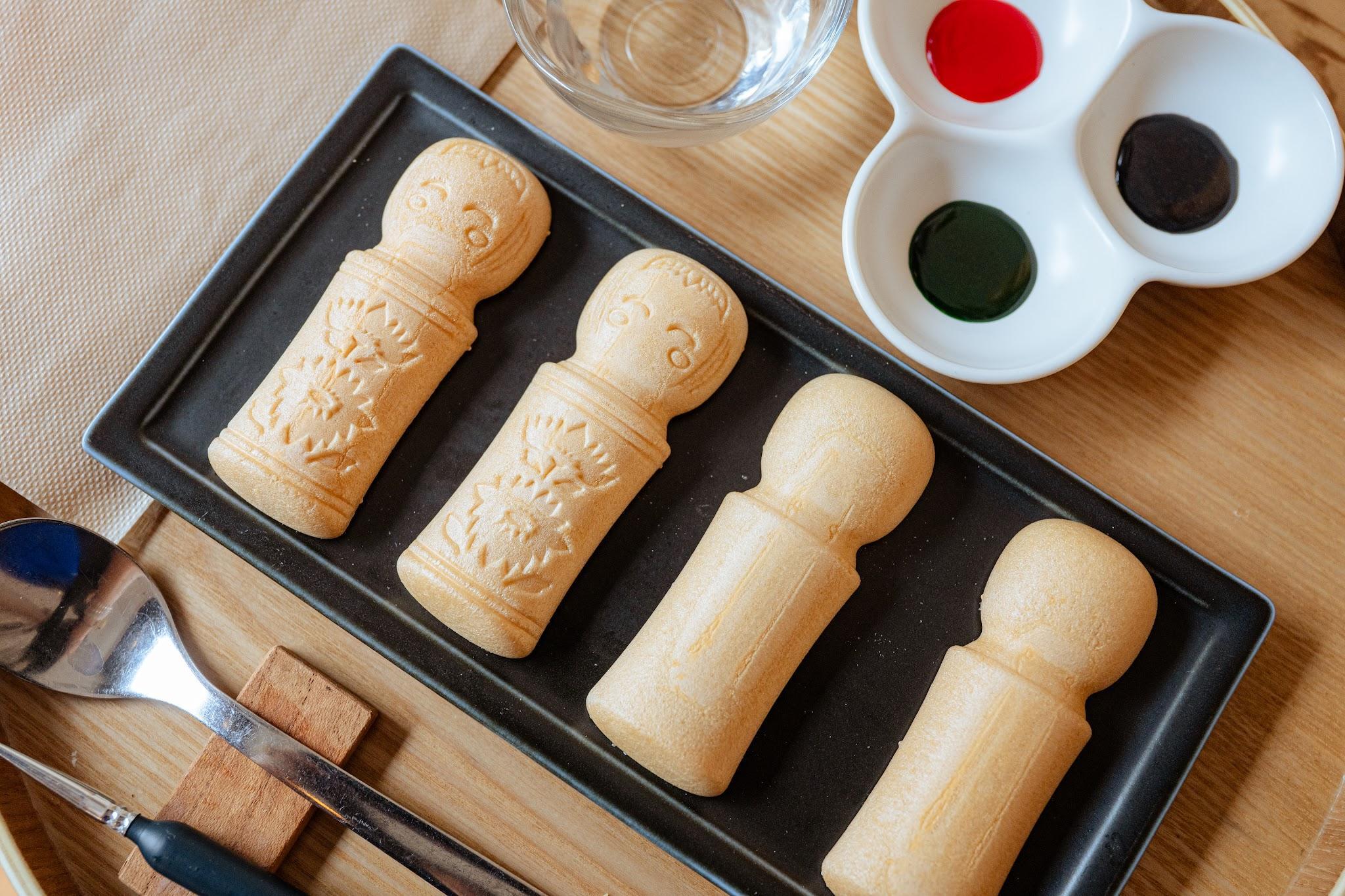
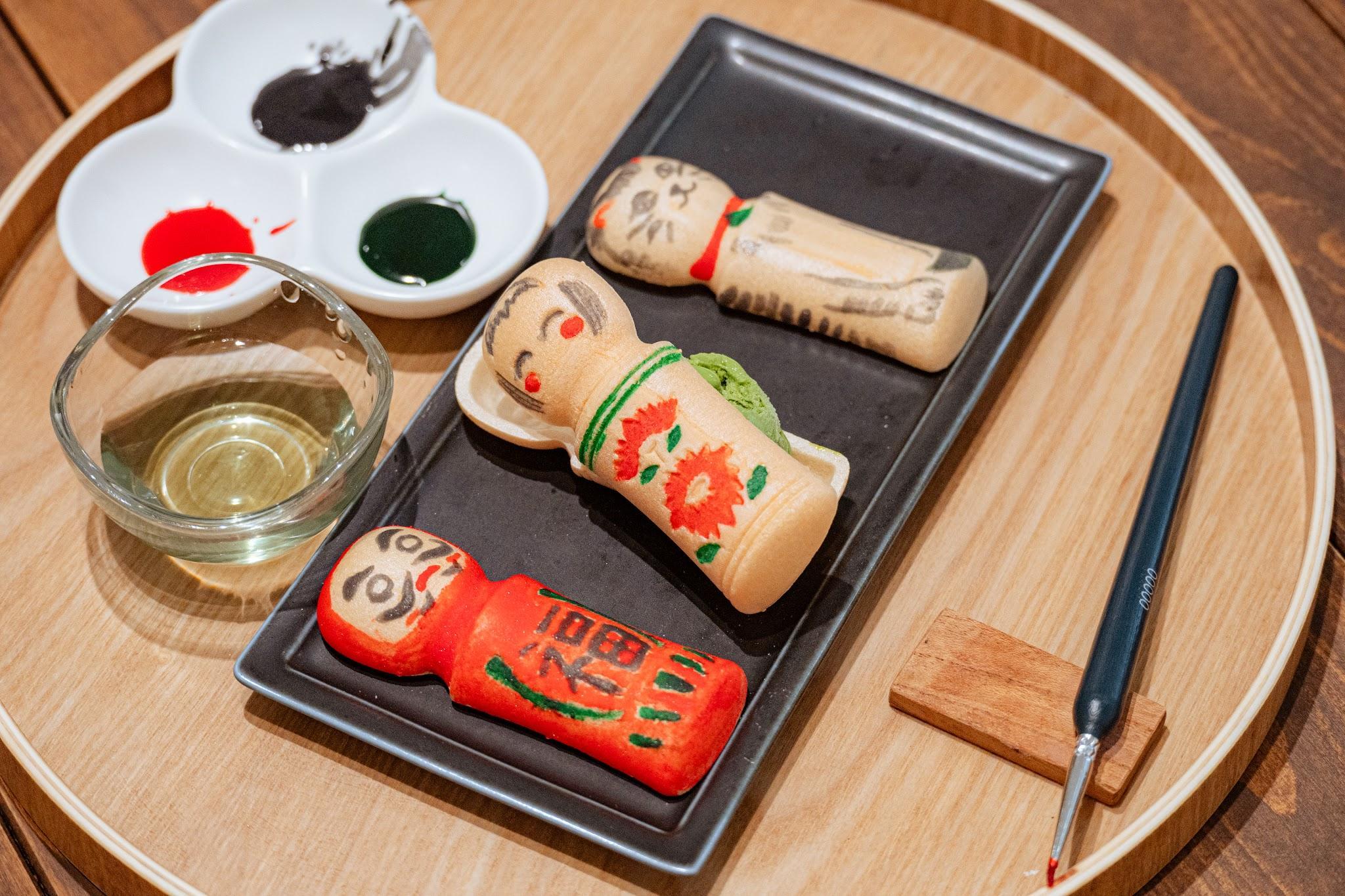
The final day begins in the morning light of Naruko Onsen, with the faint scent of sulfur drifting through the hot spring town. The morning unfolds at an easy pace, with time to wander the atmospheric streets before stopping at a local café to decorate a kokeshi-shaped monaka—a playful experience unique to Naruko.

In the afternoon, the Rikuu East Line carries the journey onward to the Kankaku Museum, Japan’s first museum dedicated to exploring the five senses. A series of immersive exhibits offers a change of pace, inviting visitors to see, hear, touch and experience their surroundings in unexpected ways.

By evening, the route leads back to the energy of central Sendai, bringing three days of traveling through Miyagi by train, bus and ferry to a close.

Northern Miyagi Area

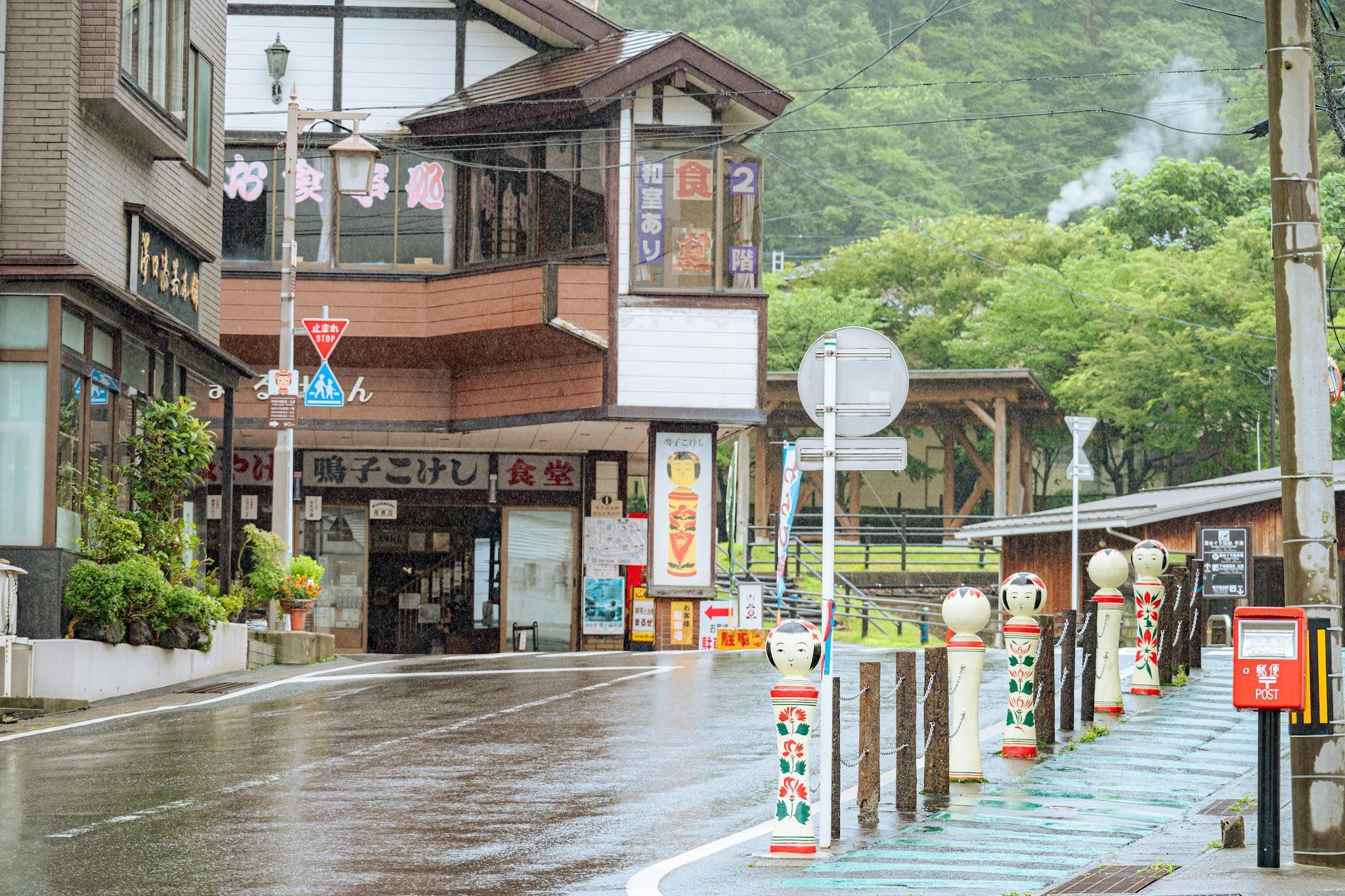
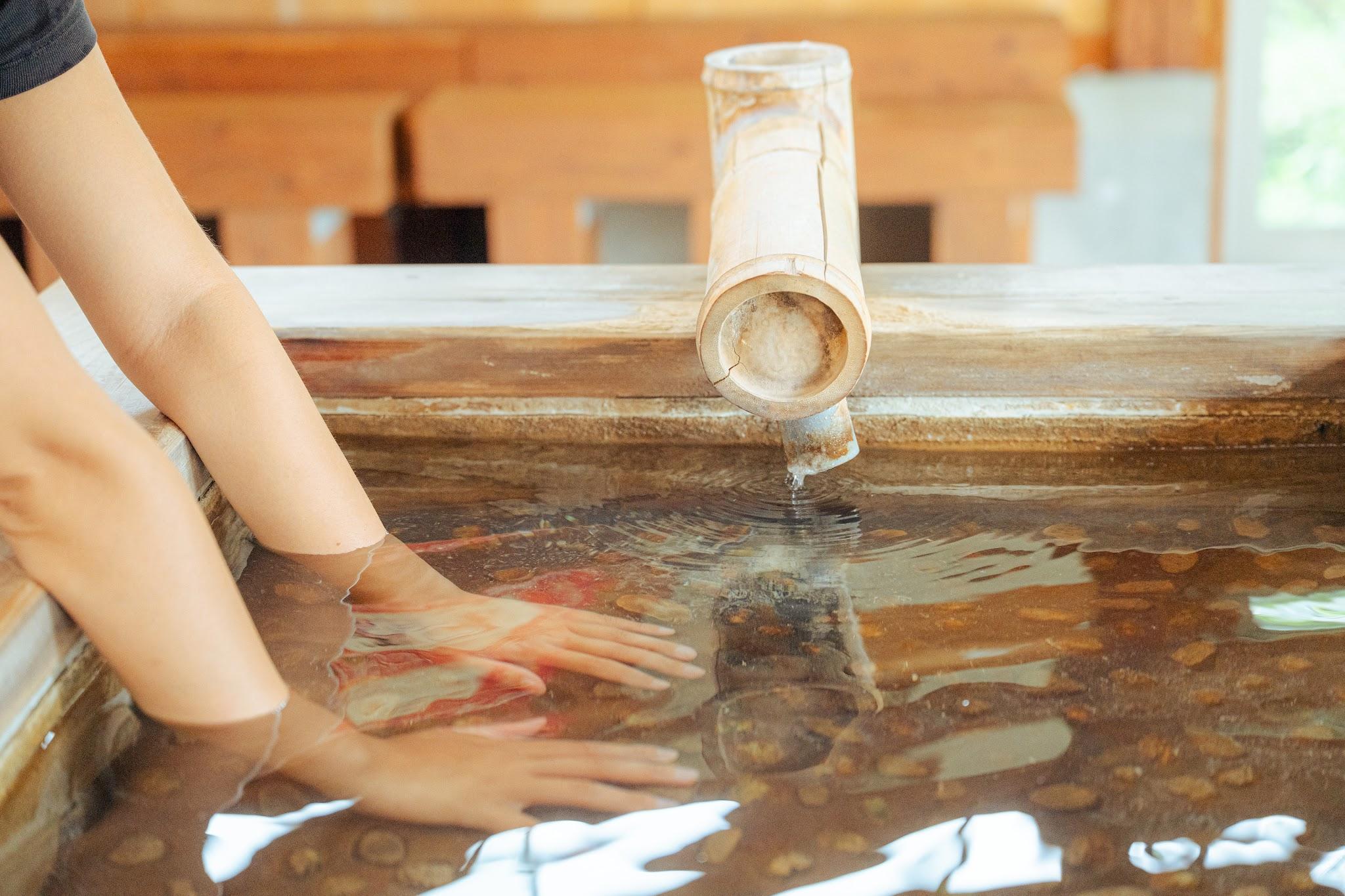
Naruko Onsen Hot Spring Village

Naruko Onsen Hot Spring Village

With a history stretching back more than a thousand years, Naruko Onsen has long been one of Japan’s best-known destinations for toji, the tradition of staying at a hot spring for rest and recuperation.

But there is more to Naruko than its waters. The town is also the birthplace of Naruko kokeshi, one of Japan’s traditional styles of wooden dolls. Wander through the streets and traces of that heritage appear everywhere, from colorful kokeshi to workshops where generations of woodturners have kept the craft alive, all set against a nostalgic townscape with echoes of the Showa era.

Free footbaths and hand baths dotted around town make it easy to pause along the way, soak for a while and experience Naruko’s hot spring culture for yourself.

For the kokeshi monaka decorating experience, icing and a small brush are used to give the charming doll-shaped wafer a face of your own design. Once the decorating is complete, the monaka is filled with ice cream, turning a little creativity into a sweet treat to enjoy at the end.

Kokeshi monaka decorating experience
Northern Miyagi Area

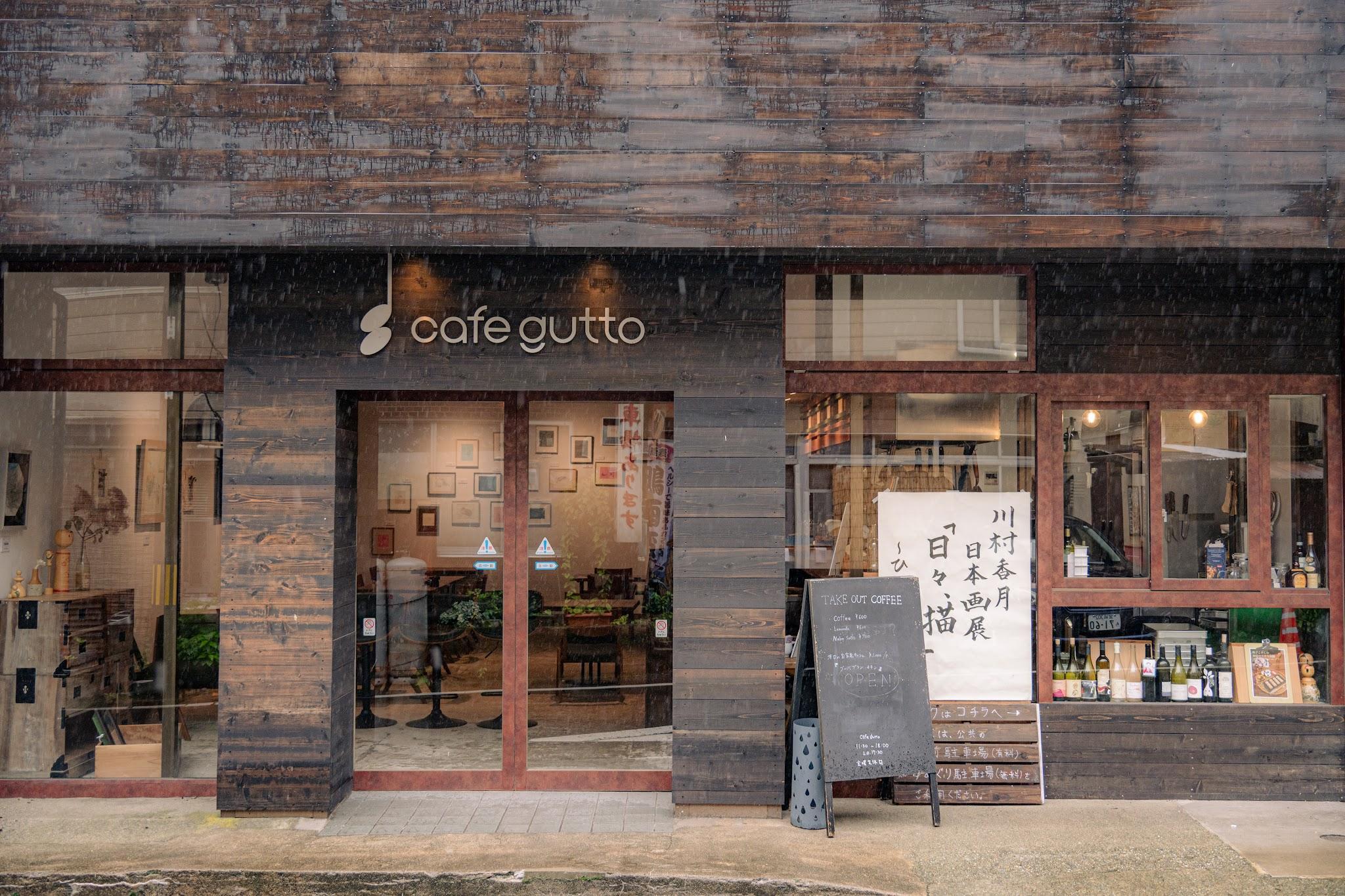
café gutto

café gutto
café gutto

The activity takes place at café gutto, a characterful spot in the heart of Naruko Onsen where the town’s craft traditions sit comfortably alongside a contemporary café setting.

Along with the decorating experience, the café serves light meals and coffee, with some dishes presented on tableware created by designers with close ties to Naruko Onsen. It is an easy place to linger for a while, with local craftsmanship woven naturally into the experience.

Address27-2-2 Yumoto, Naruko Onsen, Osaki, Miyagi

Access3-minute walk from JR Naruko-Onsen Station

Leaving the scent of Naruko’s hot springs behind, the journey continues from Naruko-Onsen Station aboard the Rikuu East Line toward Furukawa. The train follows the Eai River as the landscape beyond the window gradually shifts from rugged mountain valleys to open green countryside and small settlements that retain an older, quieter character.

After around 25 minutes, the train pulls into Yubikan Station, where the next part of the journey begins amid the historic atmosphere of Iwadeyama.

Northern Miyagi Area

Kankaku Museum

Kankaku Museum
Kankaku Museum
Kankaku Museum

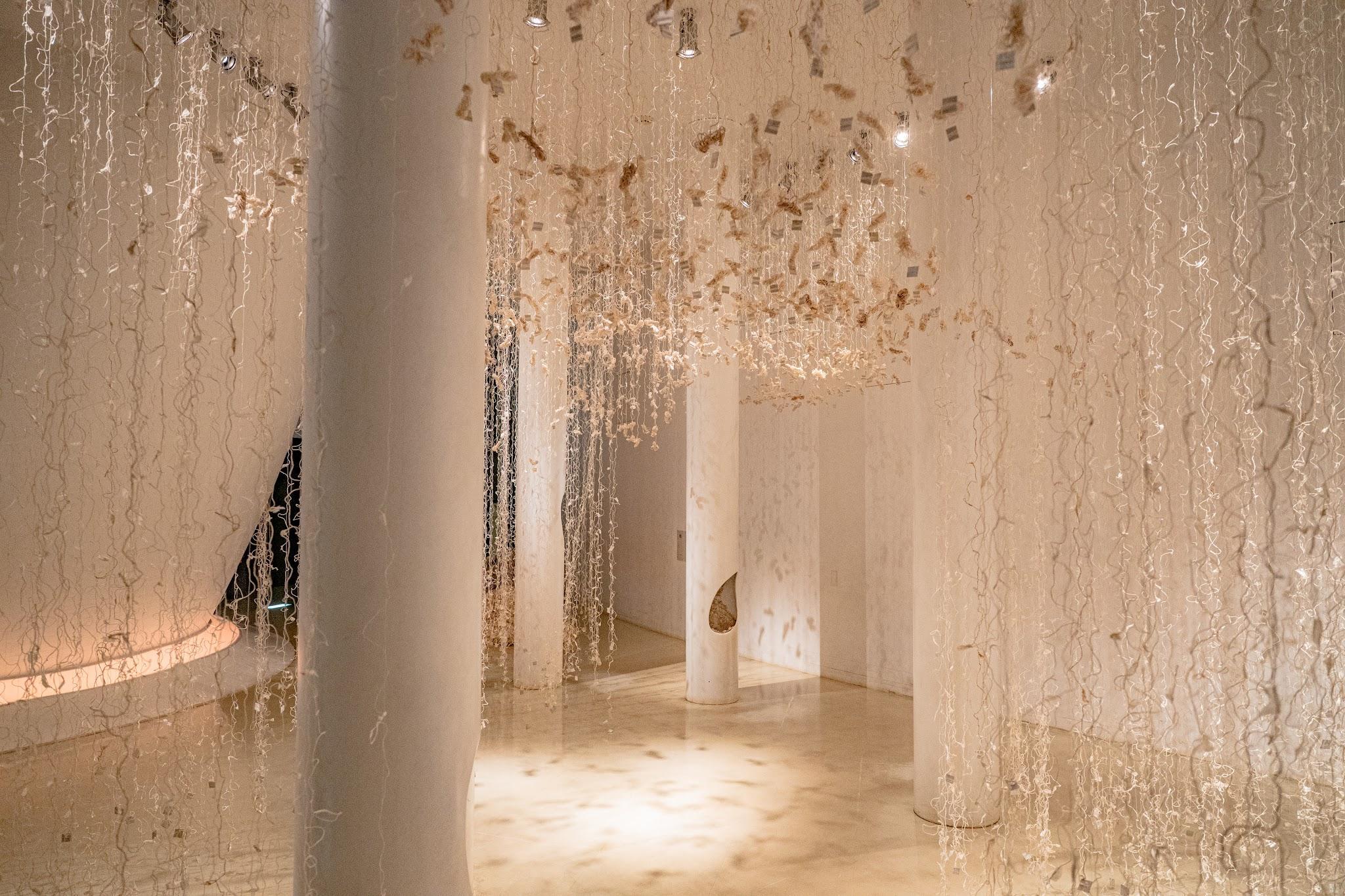
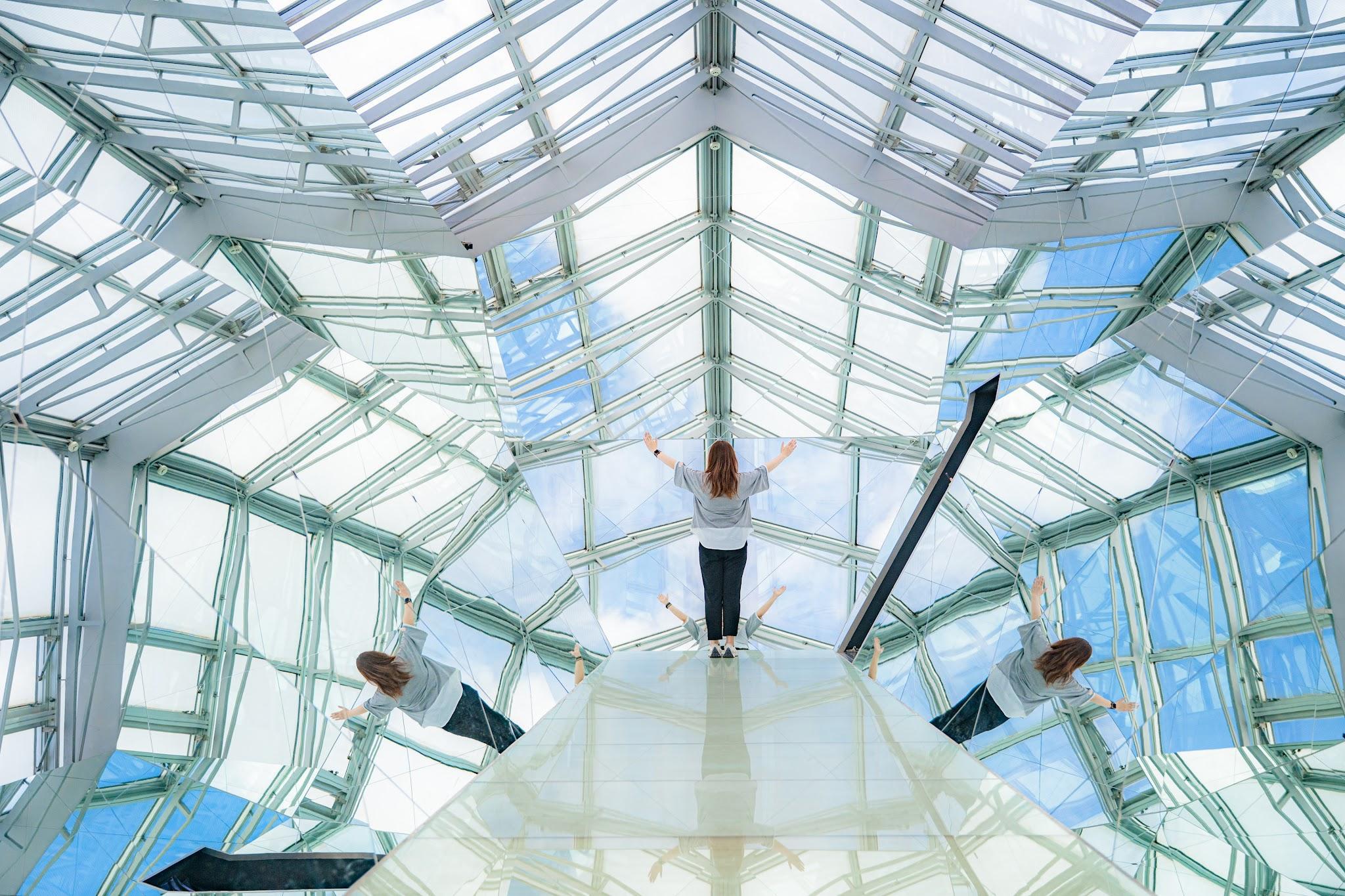
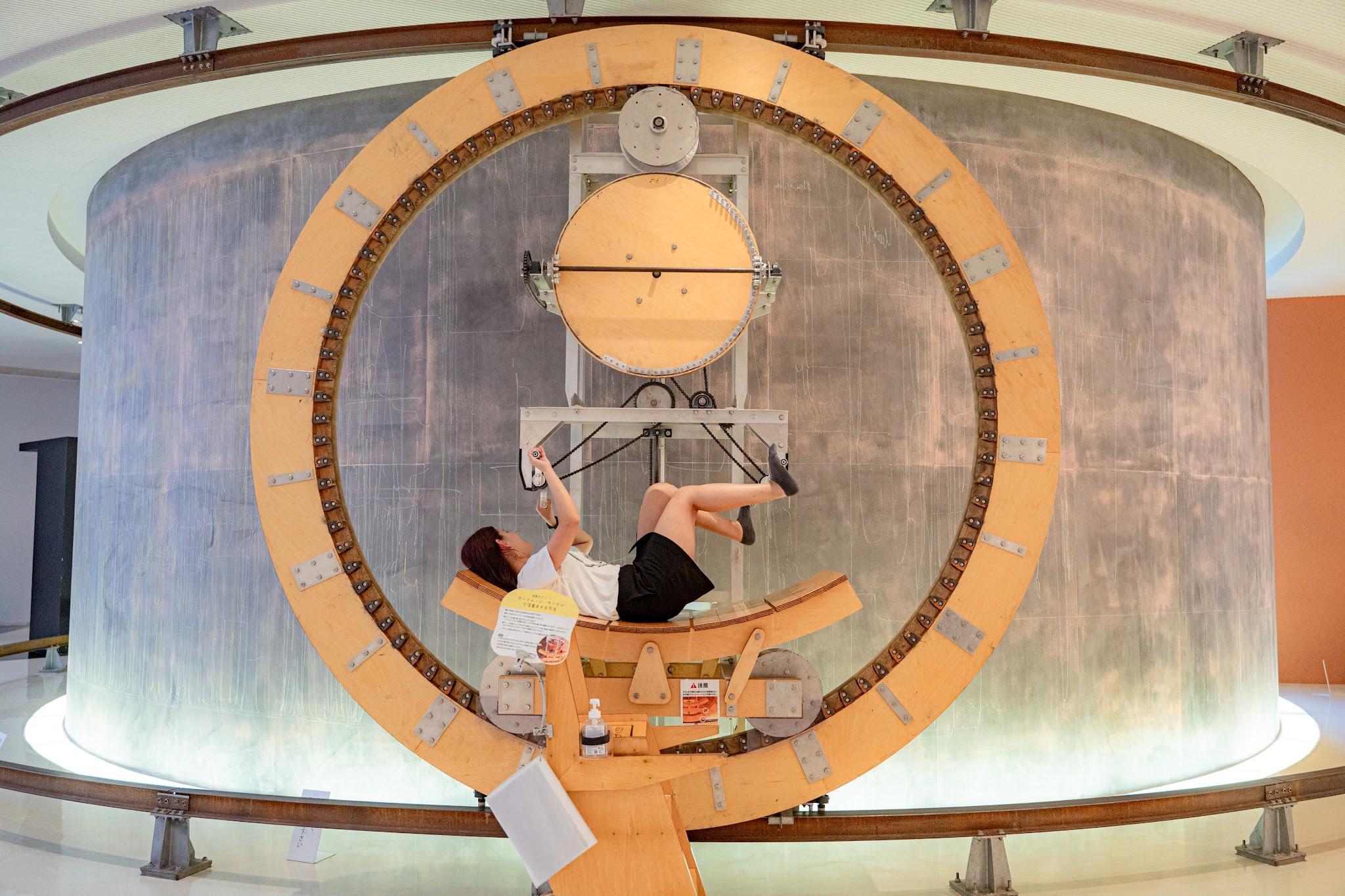
In Iwadeyama, the Kankaku Museum is one of Japan’s few interactive museums built around sensory perception. Rather than simply viewing art from a distance, visitors are encouraged to engage with the exhibits—touching, listening and experiencing the works with the whole body.

The museum is divided into two main areas, the Physical Sensation Space and Meditation Space, where light, sound, scent and different materials come together in a series of immersive installations. In one darkened room, pressing works mounted on the wall makes them glow blue, while movements of the hands can be used to shift sounds through the space. Elsewhere, mirrors, water and light create dreamlike environments that feel removed from the world outside.

It is an experience designed to spark curiosity, whether for children eager to explore or adults happy to leave the everyday behind for a while and rediscover a little of their own sense of wonder.

Address100 Shimokawaramachi, Iwadeyama, Osaki, Miyagi

Access10-minute walk from JR Yubikan Station

After an afternoon of sensory discoveries at the Kankaku Museum, the route returns to Yubikan Station and the Rikuu East Line for Furukawa. From there, a local train or the Shinkansen completes the journey back to Sendai, where the trip began three days earlier.

And with that, three unhurried days of traveling through Miyagi by train, bus and ferry come full circle, ending amid the color and energy of Sendai. It is a way of traveling that invites you to slow the pace and see a different side of the prefecture.

Summer is not only waiting at each destination; it is there in the mountains slipping past the train window, the coastline unfolding beside you and the towns encountered along the way.

Leave a little space in the schedule, take your seat and let the journey become part of the experience. With the sea breeze on the ferry and the rhythm of the train carrying you onward, the memories of a Miyagi summer have a way of gathering naturally, one by one.