



繁体字
Fall in Love with Miyagi This Summer

Fall in Love with Miyagi This Summer

Published: 2026-11-09/Updated: 2026-11-09

On the Sanriku Coast, the sea flashes blue beneath an open sky. Inland, the valleys of Zao and Naruko are deep in summer green, while in Sendai, thousands of streamers and paper ornaments turn the city’s streets into a riot of color.

This is summer in Miyagi: mountains and sea, local flavors and centuries-old festivals, all within easy reach of one another. A car gives you the freedom to roam; trains and ferries invite you to slow down and watch the landscape pass by. Whichever way you travel, summer in Miyagi unfolds in vivid color.

For this trip, Taiwanese photographer Banbi Hsu traveled across the prefecture, turning her lens on the scenes that define the season: brilliant stretches of coastline, exuberant summer festivals and the stillness of mountain hot spring towns. Her photographs capture them with a warmth and sensitivity all her own—and, we hope, offer inspiration for your next trip to Tohoku.

Banbi Hsu

Banbi Hsu

One of Taiwan’s popular travel creators, Banbi is also a professional photographer with a keen eye for light and color. She returns to Japan often and has a particular affection for Tohoku, drawn to its landscapes and culture. Her photographs and writing go beyond the sights themselves, capturing something of the character of each place and the way people live there.

Land at Sendai Airport and the mountains, coast and cities of Miyagi are all within reach. If your flight arrives in the evening, why not spend the night in Sendai and set out the following morning for a three-day, two-night trip?

The question is how to travel. A rental car gives you the freedom to stop wherever curiosity takes you; public transportation lets you leave the road behind and take in the view. Here are two routes, each with its own pace.

Not keen on driving on the left or tackling mountain roads? Miyagi is remarkably rewarding without a car. Trains, buses and ferries carry you from mountain valleys to the coast and out across the water to offshore islands, with the changing landscape becoming part of the trip.

For families, those traveling with older companions or simply anyone who likes the freedom to linger, driving makes it easy to shape the day as you go. From Zao to the Sanriku Coast, you can follow your own route and pull over whenever something catches your eye.

Two routes, two rhythms.

Choose yours and set off.

Miyagi by Rental Car

A Three-Day Road Trip Through Miyagi: From the Zao Mountains to the Sanriku Coast

A Three-Day Road Trip Through Miyagi: From the Zao Mountains to the Sanriku Coast

There is a particular freedom to exploring Miyagi by car. Winding mountain roads lead through the Zao range and onward to the Sanriku Coast, before the route turns inland through the quiet mountains of Naruko Onsen and finally back toward Sendai. Along the way, deep green valleys, dramatic rock formations and streets alive with summer color unfold beyond the window.

Over three days, the road itself becomes part of the experience, leaving you free to explore Miyagi’s spectacular landscapes, history and summer festivals at your own pace. Follow whatever catches your eye, stop whenever the mood takes you, and enjoy a summer road trip filled with the scenery and discoveries that come with having the freedom to roam.

DAY 1

Spectacular Gorges, Traces of History and Hopes for the Future

As the first morning light reaches Sendai, set out from the city and follow the winding roads into the mountains.

Day one takes you south through Miyagi, exploring a part of the prefecture where dramatic volcanic landscapes, ambitions reaching into space and memories of the past come together in a journey unlike anywhere else.

Around 1.5 hours by car

The drive to the spectacular Okama Crater takes you along the Zao Highline, a toll road that climbs to more than 1,600 meters above sea level. As the road winds higher into the mountains, the scenery beyond the window shifts with the elevation, revealing a different side of Zao with every turn.

The mountain road has steep sections and a number of sharp hairpin bends, while the higher elevations can occasionally be shrouded in thick fog. Drive at a comfortable pace, use your fog lights when visibility is poor and leave plenty of space between you and the vehicle ahead. If winding roads tend to leave you feeling queasy, it is also worth bringing motion-sickness medication for the journey.

Zao Area

Okama Crater and Zao Kattamine Shrine (Okumiya)
Okama Crater and Zao Kattamine Shrine (Okumiya)
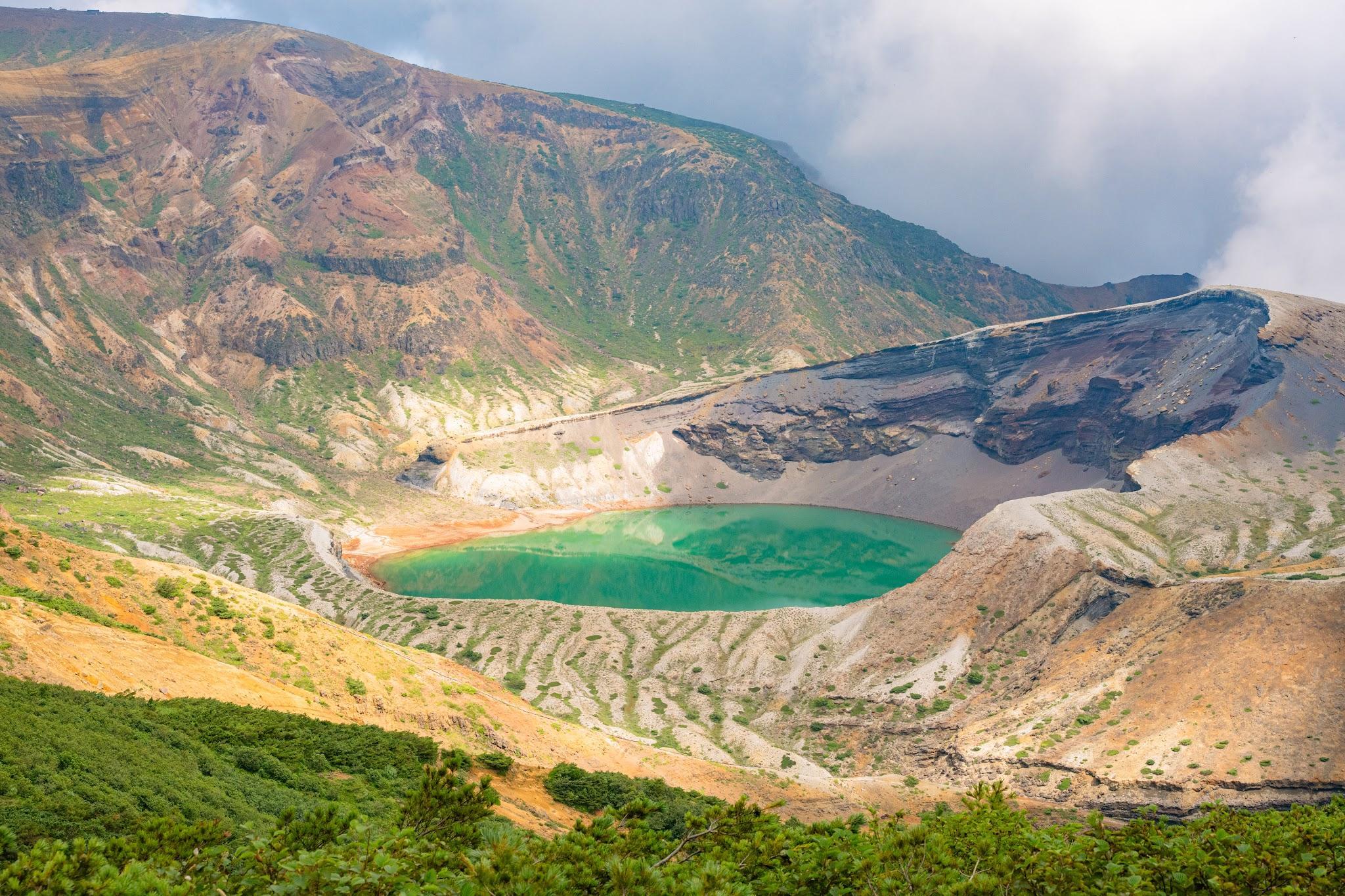

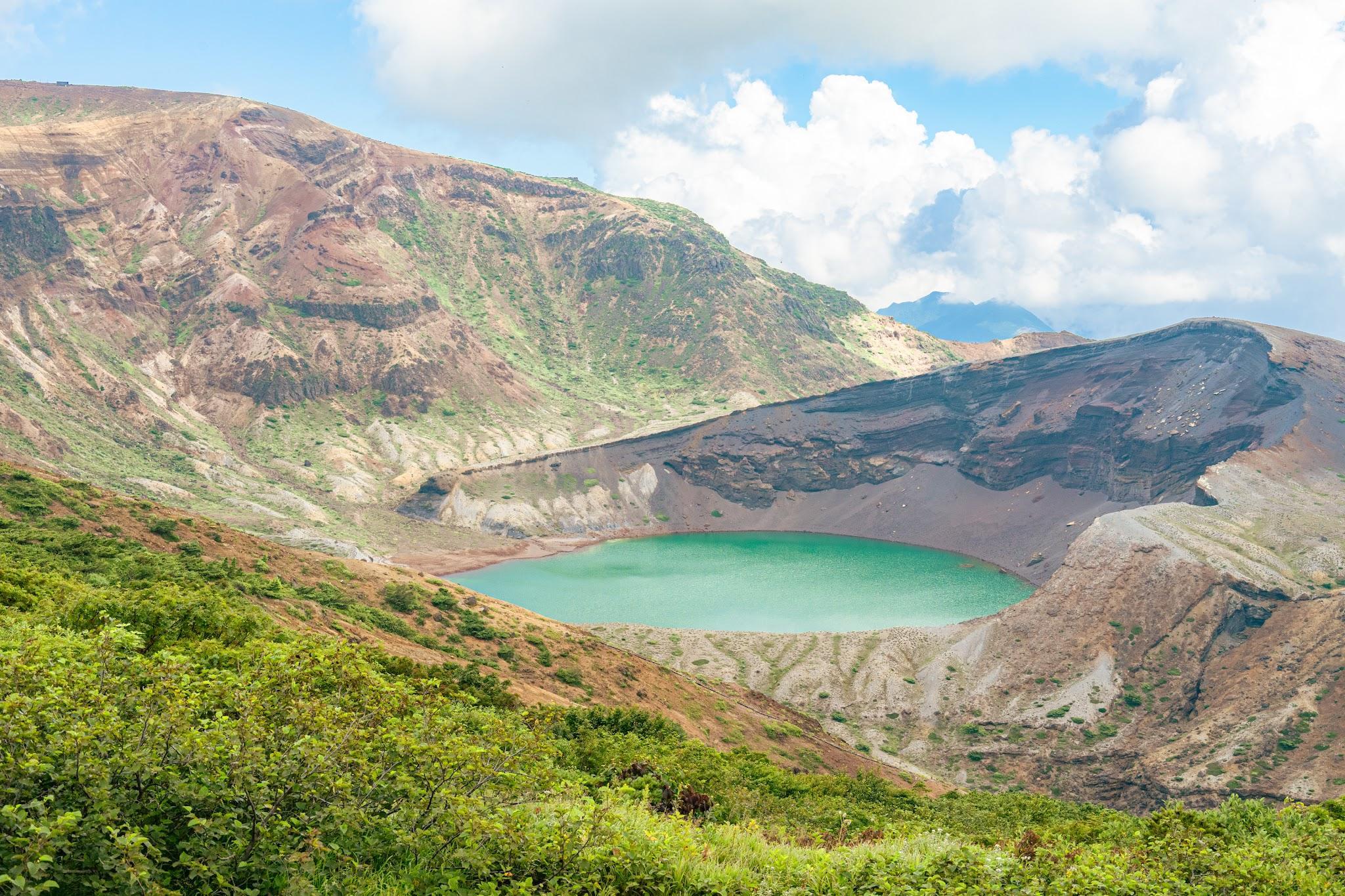
Cradled between the peaks of Mt. Katta, Mt. Kumano and Mt. Goshiki lies Okama, a volcanic crater lake named for its resemblance to a traditional Japanese cooking pot.

Rich in sulfur and other minerals, the lake shifts in color with the angle of the sunlight, movement of the clouds and changes in water temperature, appearing at times deep green, emerald, blue or even milky white. This ever-changing palette has earned Okama another name: the “Five-Colored Lake.”

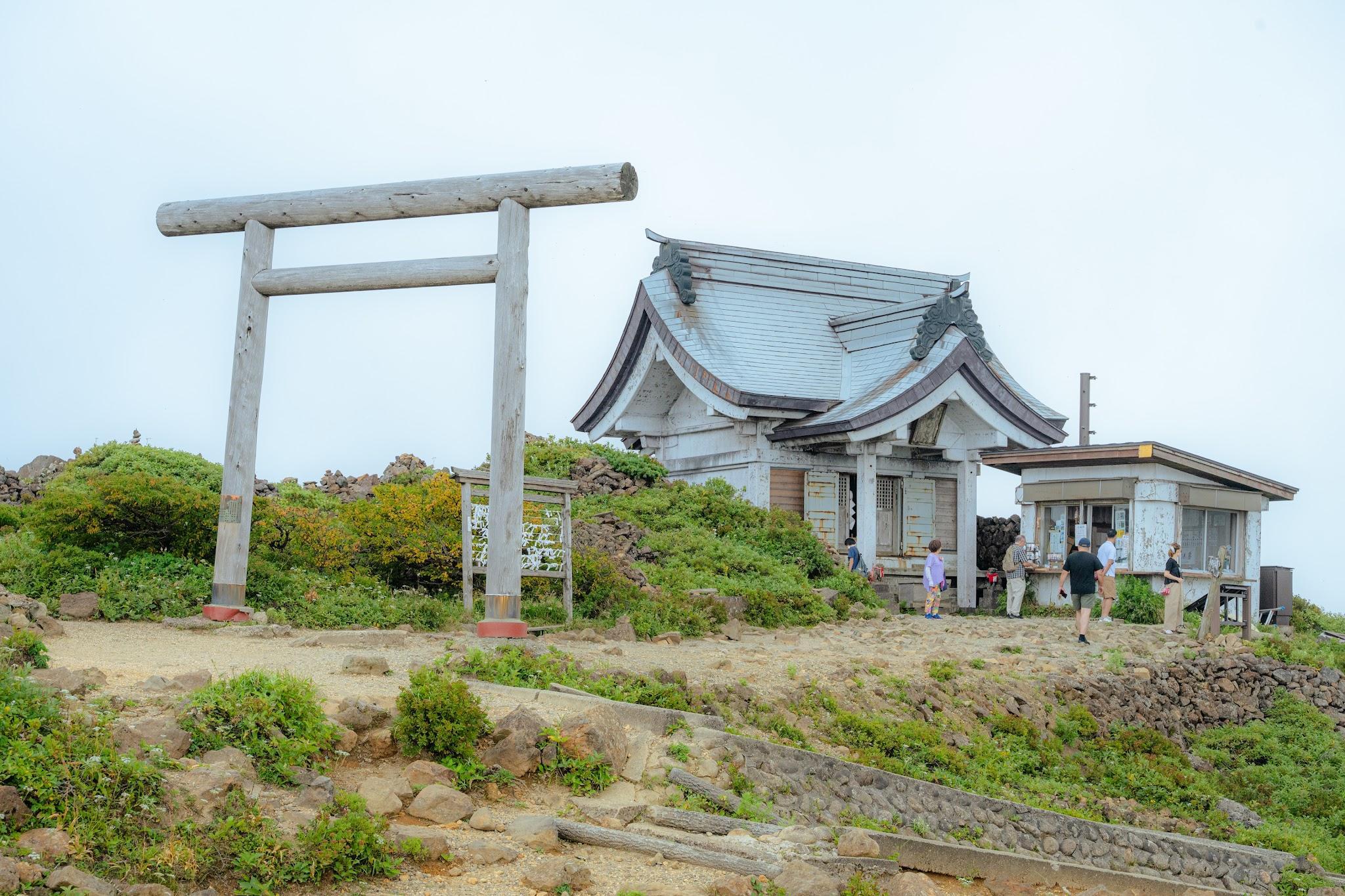
At the 1,758-meter summit of Mt. Katta stands Zao Kattamine Shrine’s Okumiya, or inner sanctuary. A wooden torii rises before the shrine, creating a distinctive scene against the mountain’s rugged, rocky terrain.

Climb to the shrine and the landscape opens out before you, with sweeping views over the waters of Okama and the vast volcanic terrain beyond.

AddressTogatta Onsen, Zao, Katta District, Miyagi

AccessAround 1 hour by car from Murata IC or Shiroishi IC on the Tohoku Expressway

Useful Tip

The ever-changing weather is all part of Okama’s character. Mist can sweep across the summit with little warning, making a clear view of the crater lake something of a lucky encounter.

For the best chance of seeing it, plan your visit for the morning and keep an eye out for a spell of clear weather. When the clouds lift and Okama emerges in vivid blue beneath a clear sky, the view is all the more rewarding.

Leaving behind the magnificent landscapes of Zao, the road continues to Shiroishi, an old castle town with a culinary tradition all its own. Here, the next stop is a local specialty that has been passed down through generations for centuries.

Just over 1 hour by car

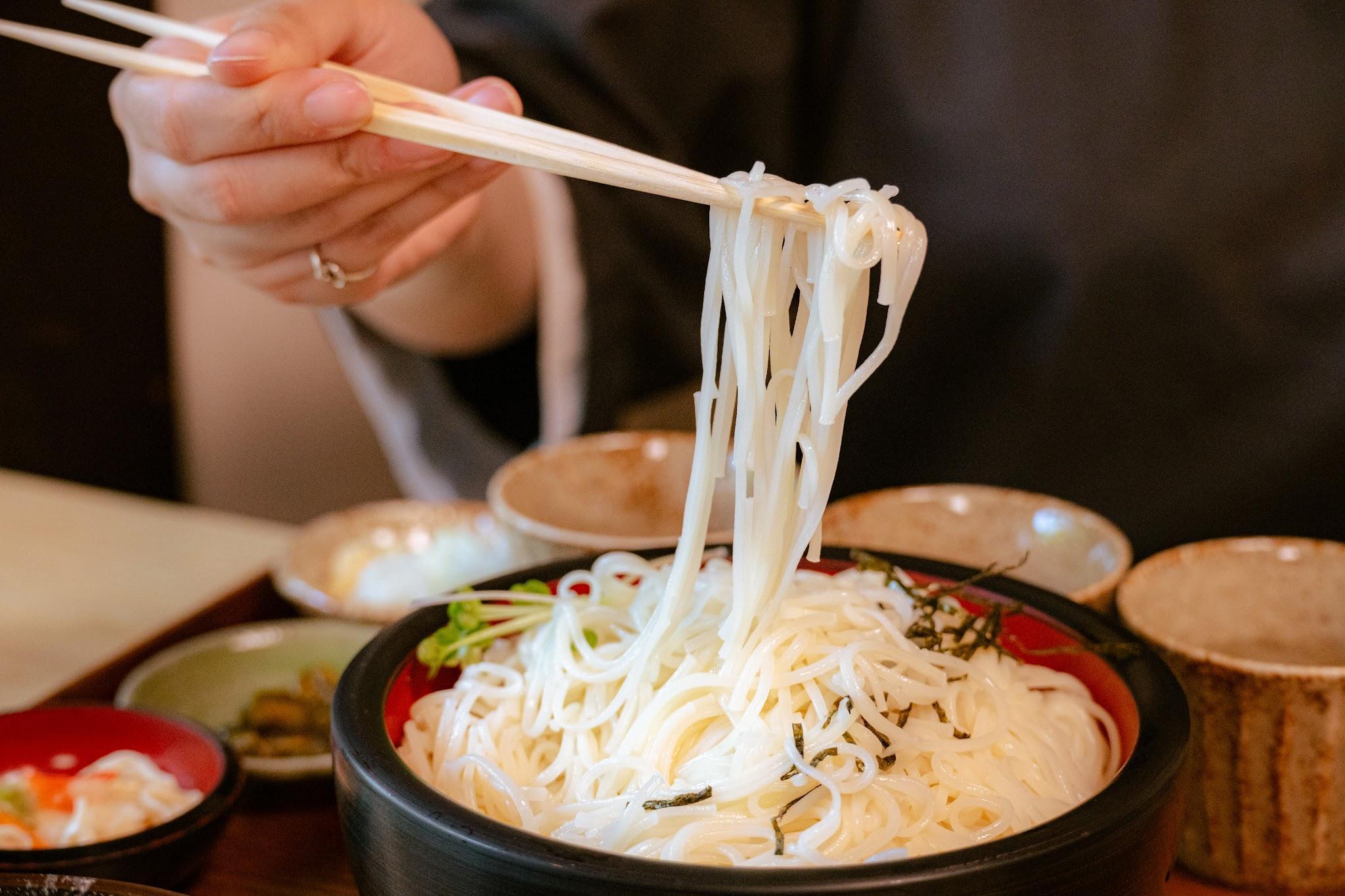
Shiroishi Umen is a traditional noodle dish with more than 400 years of history in southern Miyagi. At just nine centimeters long, the noodles are sometimes said to be the shortest in Japan.

Made without oil, they have a wonderfully light, delicate texture and clean finish. This simple local specialty has been a favorite in Shiroishi for generations.
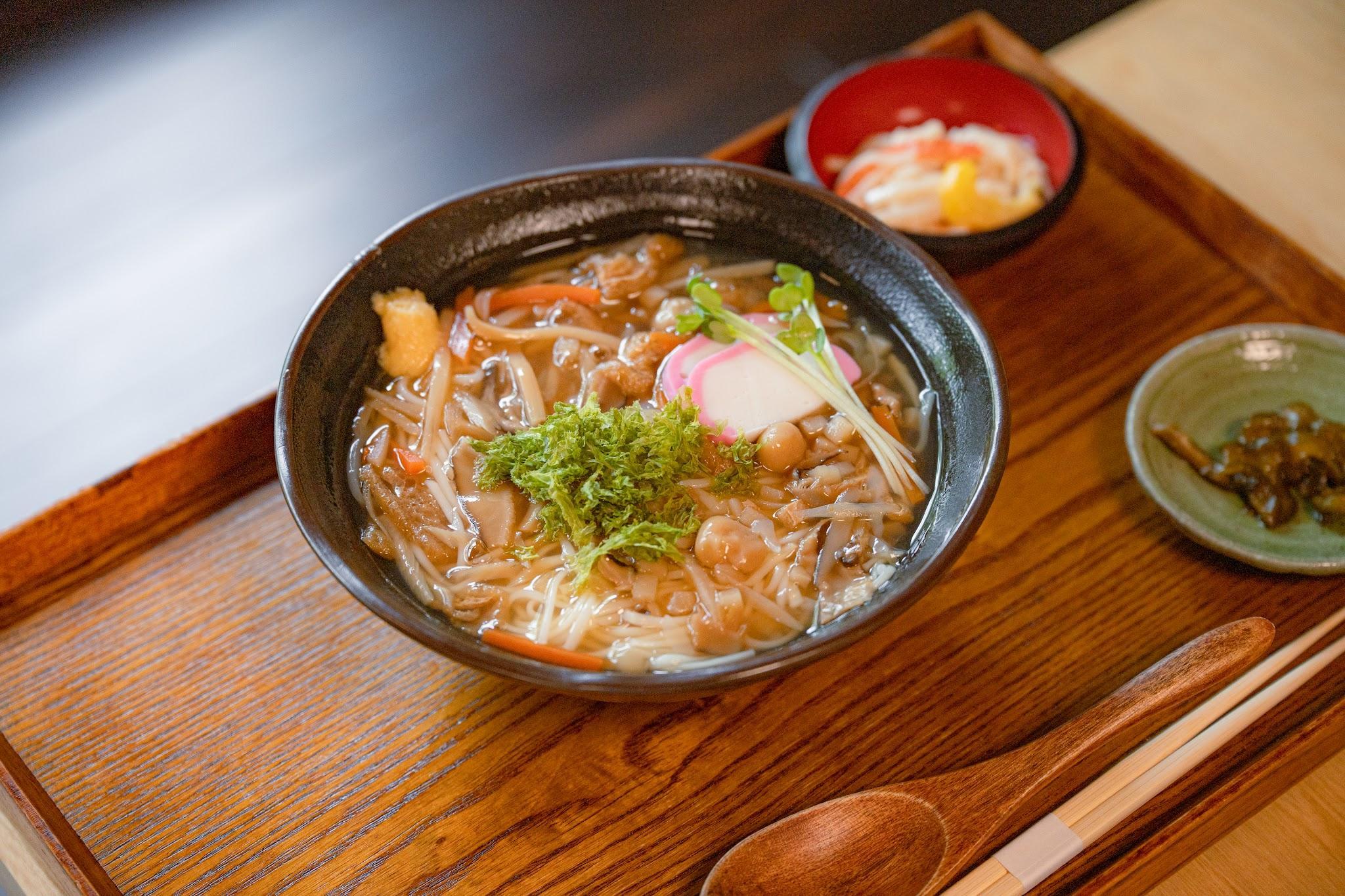
Shiroishi Umen noodles
Zao Area

Shiroishi Umen Tsurigane-an

Shiroishi Umen Tsurigane-an

A popular spot in Shiroishi, Shiroishi Umen Tsurigane-an retains the charm of a traditional Japanese house, with an atmosphere that evokes the town’s long history.

The signature Three-Flavored Umen comes with a selection of dipping sauces, including sesame, walnut and bonito, each bringing out a different side of the light, silky noodles.

Address46 Motomachi, Shiroishi, Miyagi

AccessAround 10 minutes by car from Shiroishi IC

After a comforting bowl of Shiroishi Umen, leave the historic castle town behind and turn east toward the Pacific coast.

The next stop is the remains of Nakahama Elementary School in Yamamoto, preserved as a memorial to the Great East Japan Earthquake. Standing before the school building with the sea breeze passing through, the atmosphere grows noticeably still. Here, the journey turns to the story held within these walls—and to the lives of the people who were there.

Around 1 hour by car

Sanriku Coast Area

Earthquake Heritage Site of Nakahama Elementary School of Yamamoto Municipality
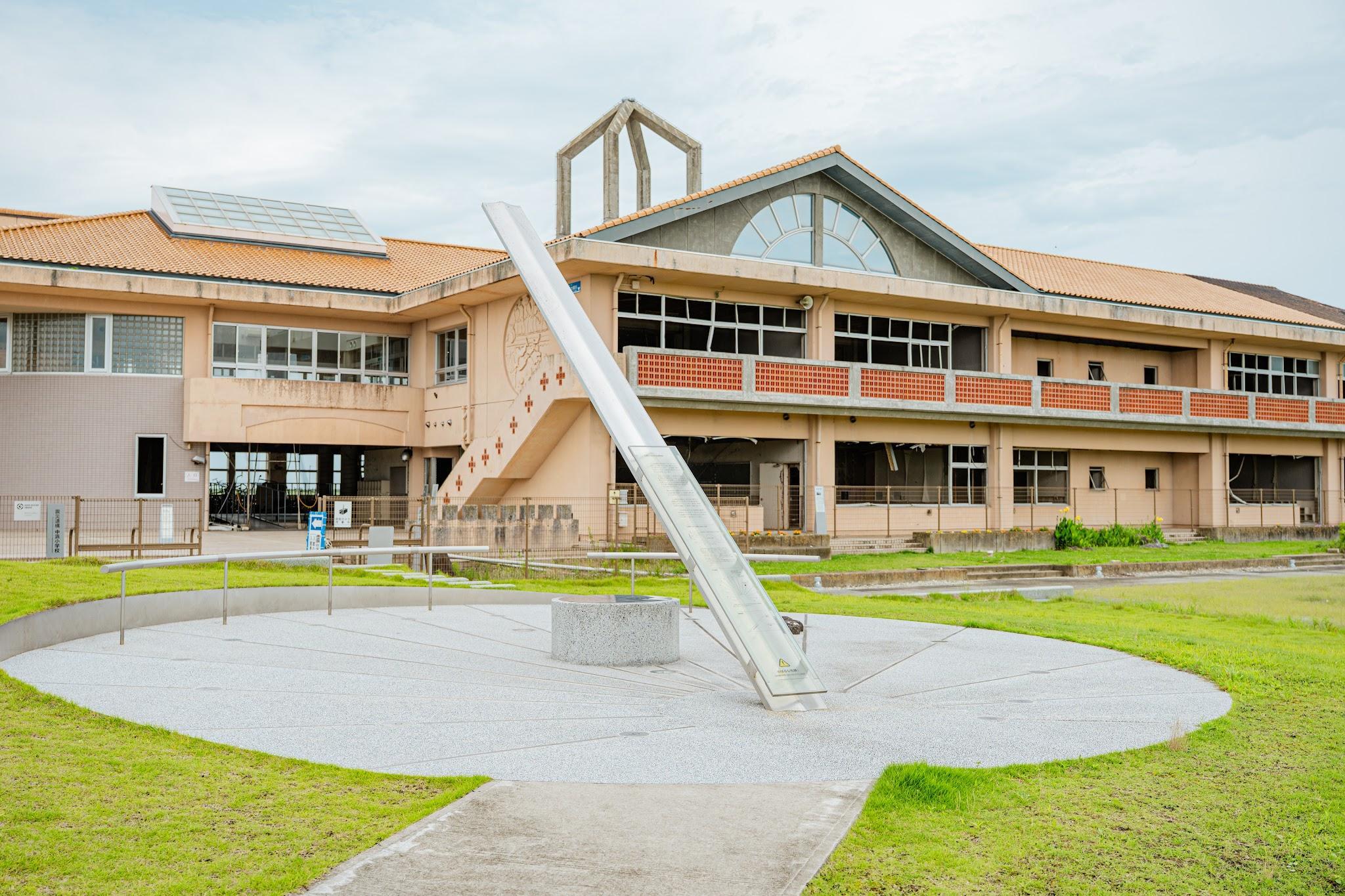
Earthquake Heritage Site of Nakahama Elementary School of Yamamoto Municipality
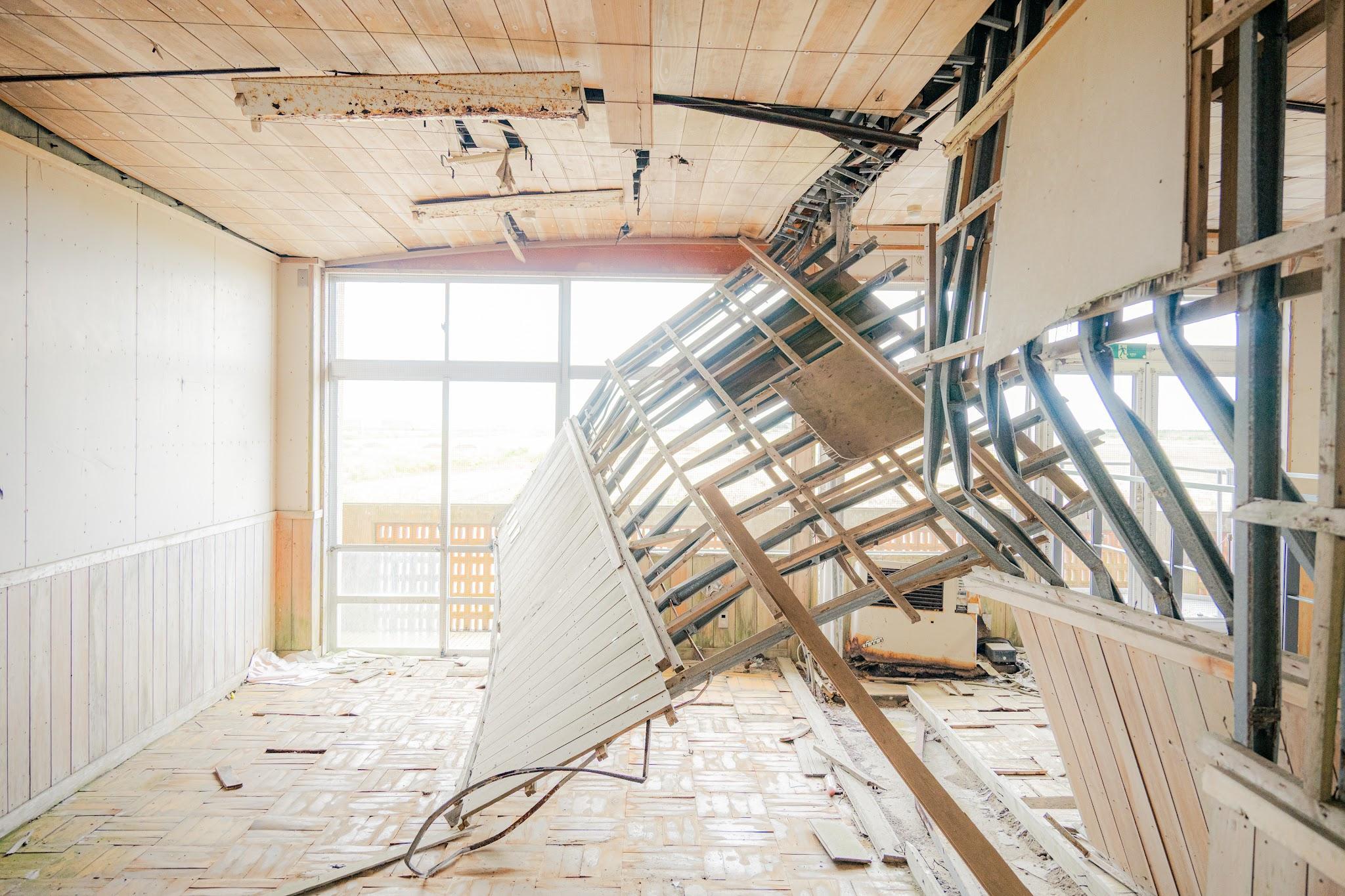
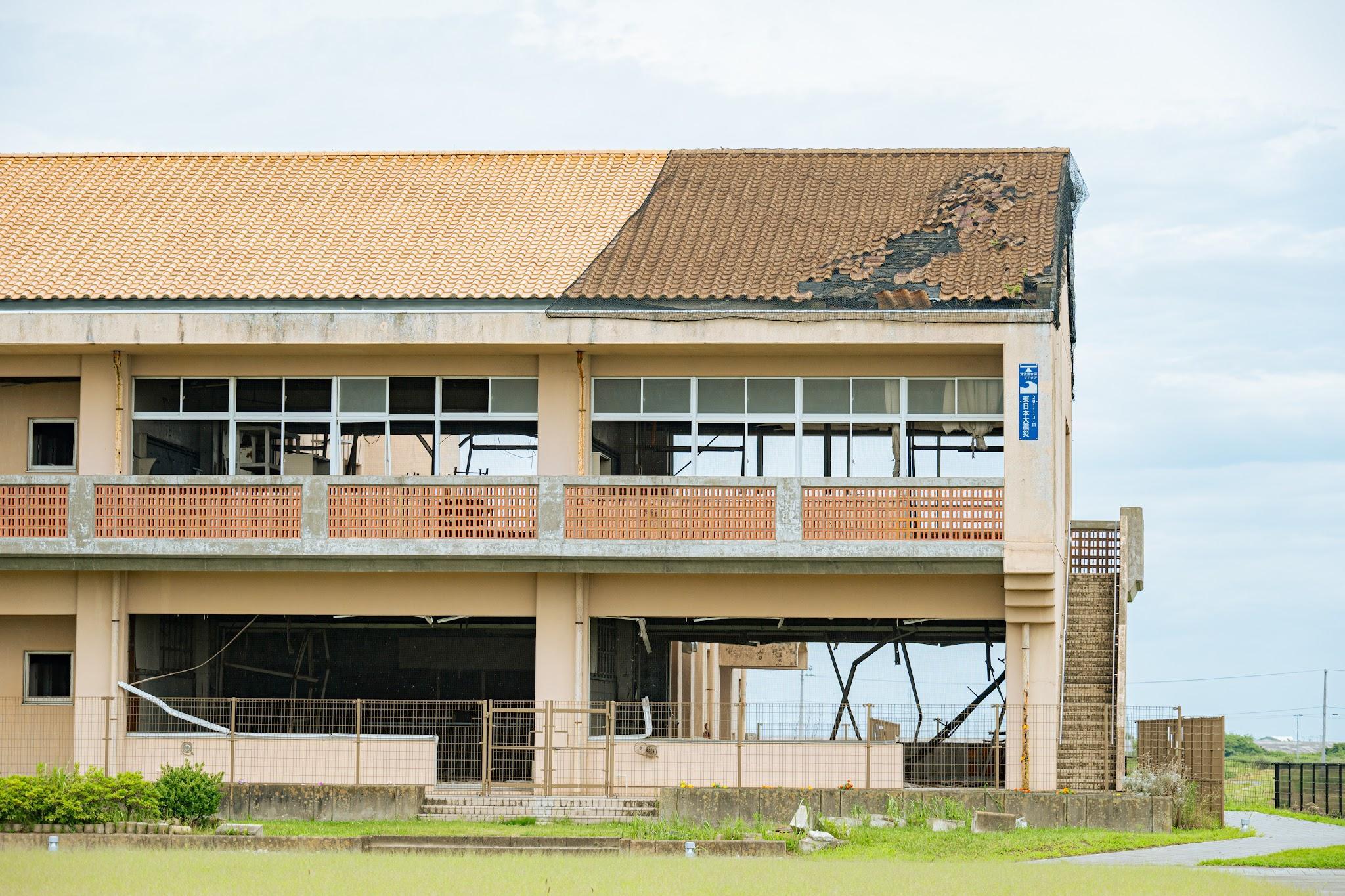

Just 400 meters from the coast, the school building remains much as it was after the tsunami of March 2011, preserving the physical traces of the Great East Japan Earthquake and the story of the evacuation that unfolded here.

As the tsunami approached, the principal made the swift decision to lead the school’s pupils and staff, together with local residents, into an attic space above the rooftop. Ninety people took shelter there, spending a long and uncertain night above the rising waters. All survived.

Inside the school today, traces left by the tsunami can still be seen, alongside the spaces where people sheltered that night.

Address22 Kune, Sakamoto, Yamamoto, Watari District, Miyagi

AccessAround 10 minutes by car from Yamamoto-Minami Smart IC on the Joban Expressway

Travel Notes

The school keeps the events of that day vividly present, while offering lessons that reach far beyond the past. Hearing how people responded as the disaster unfolded brings home the importance of being prepared, the difference a single decision can make in a crisis, and the remarkable strength people can find when their lives are at stake.

Just over 1 hour by car

Leaving the quiet coast and Nakahama Elementary School behind, follow the coastal road north. Over the next 40 minutes, the view gradually shifts from wide-open coastal plains to busy city streets as the route returns to the heart of Miyagi: central Sendai.

Accommodation in this part of the city ranges from international luxury brands and practical business hotels to distinctive design-led stays. Excellent transport connections also make the area a convenient base for exploring the rest of Miyagi.

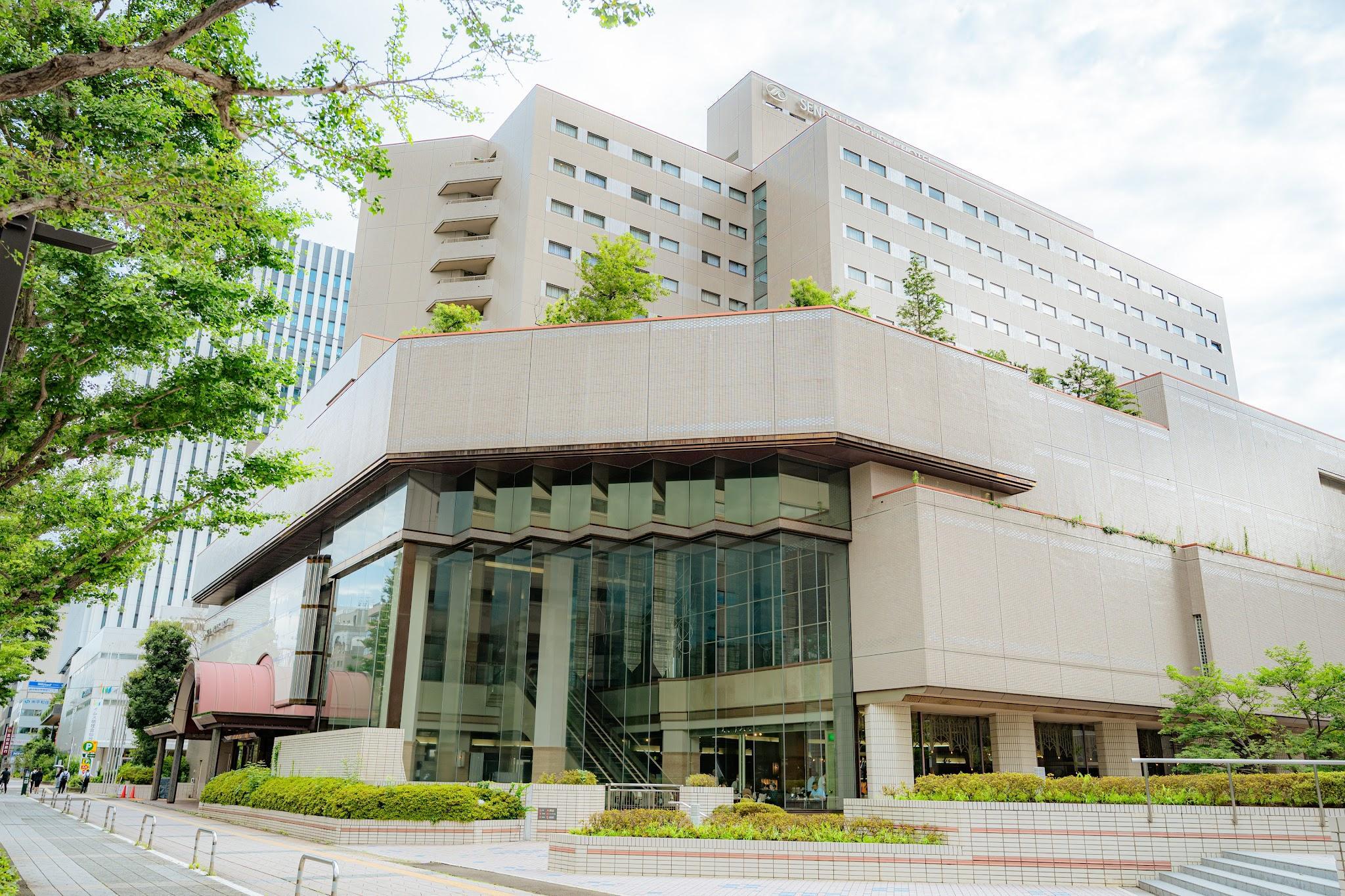
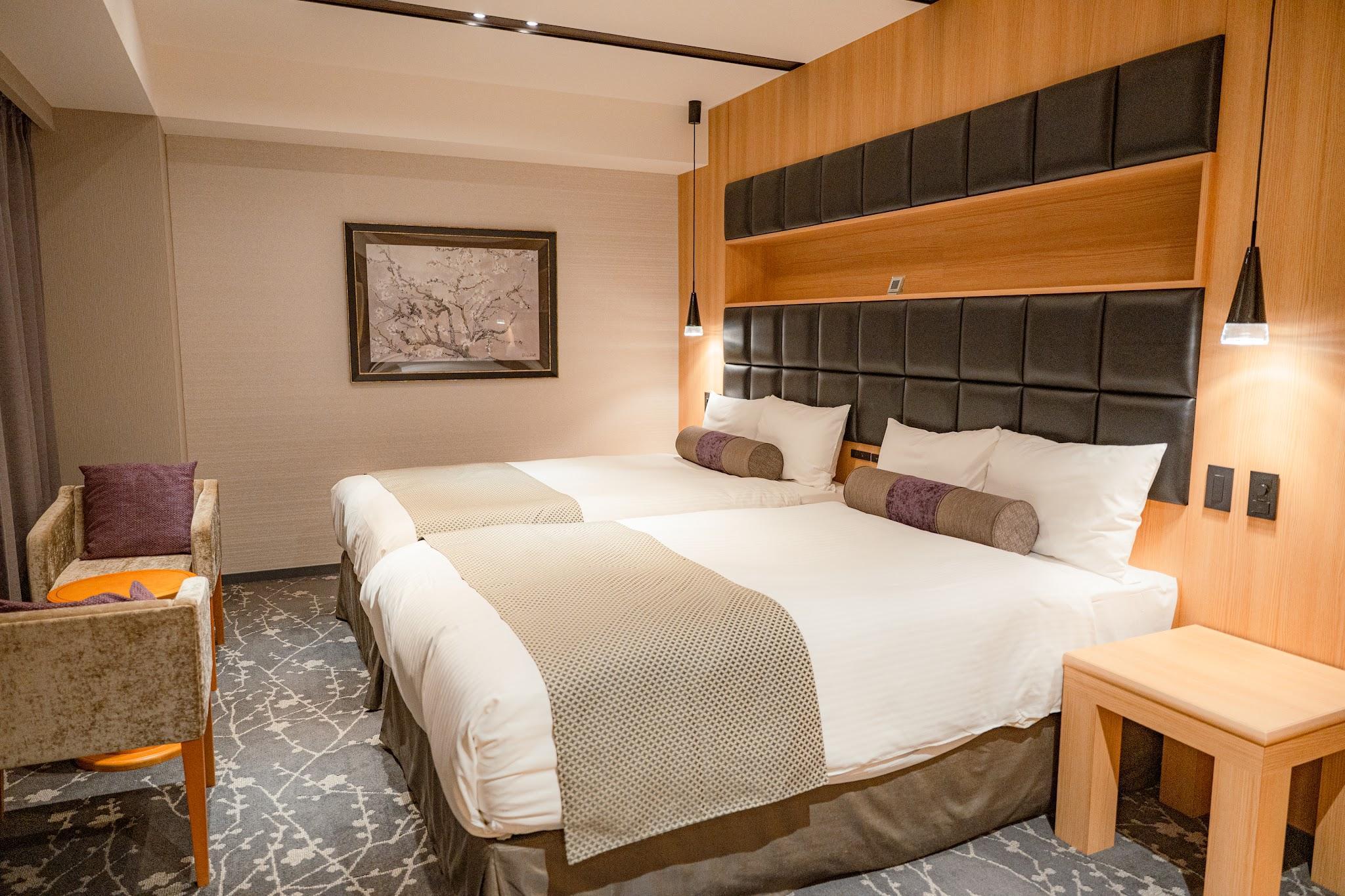
Among the options close to the station is the Sendai Kokusai Hotel, an elegant city-center hotel within walking distance of both Sendai Station and the downtown area. Inside, spacious, refined surroundings and attentive service offer a welcome place to unwind after a full day on the move.

Its central location also leaves plenty of the city within easy reach, should you feel like venturing out again before calling it a night.

Sendai Area

Sendai Kokusai Hotel

Sendai Kokusai Hotel

The hotel’s long history is reflected in its understated sense of elegance. A soaring atrium gives the lobby a refined, classic feel, while the guest rooms offer more space to settle in than the average business hotel. An underground parking garage also makes it a convenient choice for those traveling by car.

Come morning, the focus turns to Miyagi at the generous breakfast buffet. Local rice is served alongside regional favorites such as sasa-kamaboko fish cakes and zunda mochi, offering one more taste of the prefecture before the next day’s journey begins.

Address4-6-1 Chuo, Aoba-ku, Sendai, Miyagi

Access5-minute walk from JR Sendai Station

A Little Further Afield

There is plenty more to discover in southern Miyagi. If time allows, or you simply want to shape the journey around your own interests, consider venturing a little further to some of the distinctive spots scattered across the region. With a car and a little extra time, there is plenty here to make the detour worthwhile.

Zao Area

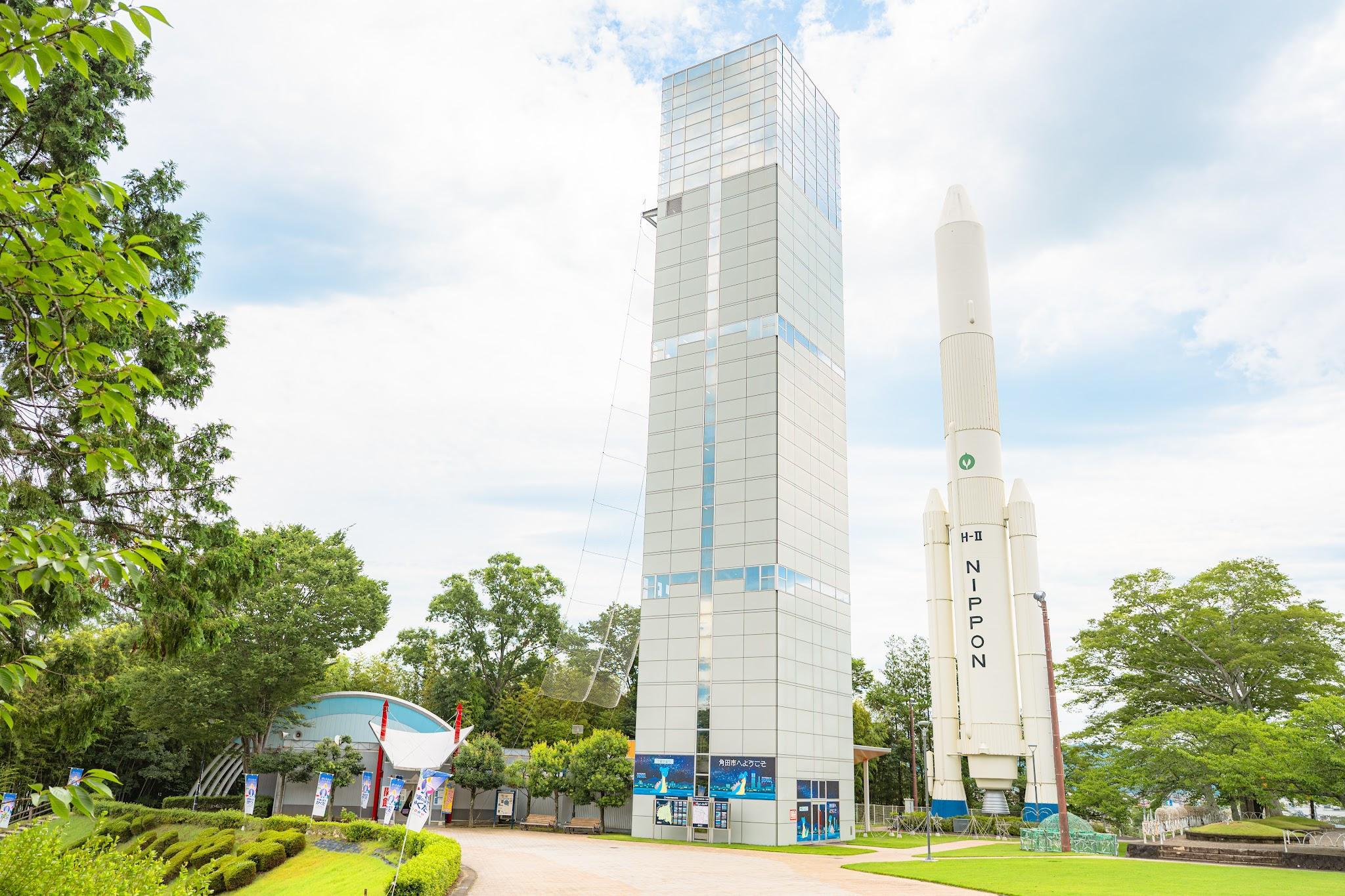
Kakuda City Space Tower & Cosmo House

Kakuda City Space Tower & Cosmo House

Kakuda is home to the JAXA Kakuda Space Center, where research and development focuses on liquid-fuel rocket engines—the very “heart” of a rocket. It is a connection that has earned Kakuda its nickname, the “City of Space.”

Celebrating this distinctive side of the city is Space Tower & Cosmo House, a space-themed attraction that opened in 1997. A full-scale, 49-meter model of an H-II rocket towers over the grounds, while a glass-walled elevator whisks visitors up the 44.9-meter Space Tower. From the observation deck, a 360-degree panorama stretches across the city of Kakuda.

Address100 Ushidate, Kakuda, Miyagi

AccessAround 35 minutes by car from Shiroishi IC
DAY 2

Prayers to the Water Gods, a Blue Coastline and an Evening in a Thousand-Year-Old Hot Spring Town

Leaving the mountains of day one behind, the second day turns toward Miyagi’s blue coastline.

The morning begins at a shrine known for bringing good fortune and prosperity, before the road winds around the Oshika Peninsula in search of art woven into the landscape. Fresh seafood and the soothing waters of a celebrated hot spring await at the end of a day filled with discoveries.

Around 40 minutes by car

Sendai Area

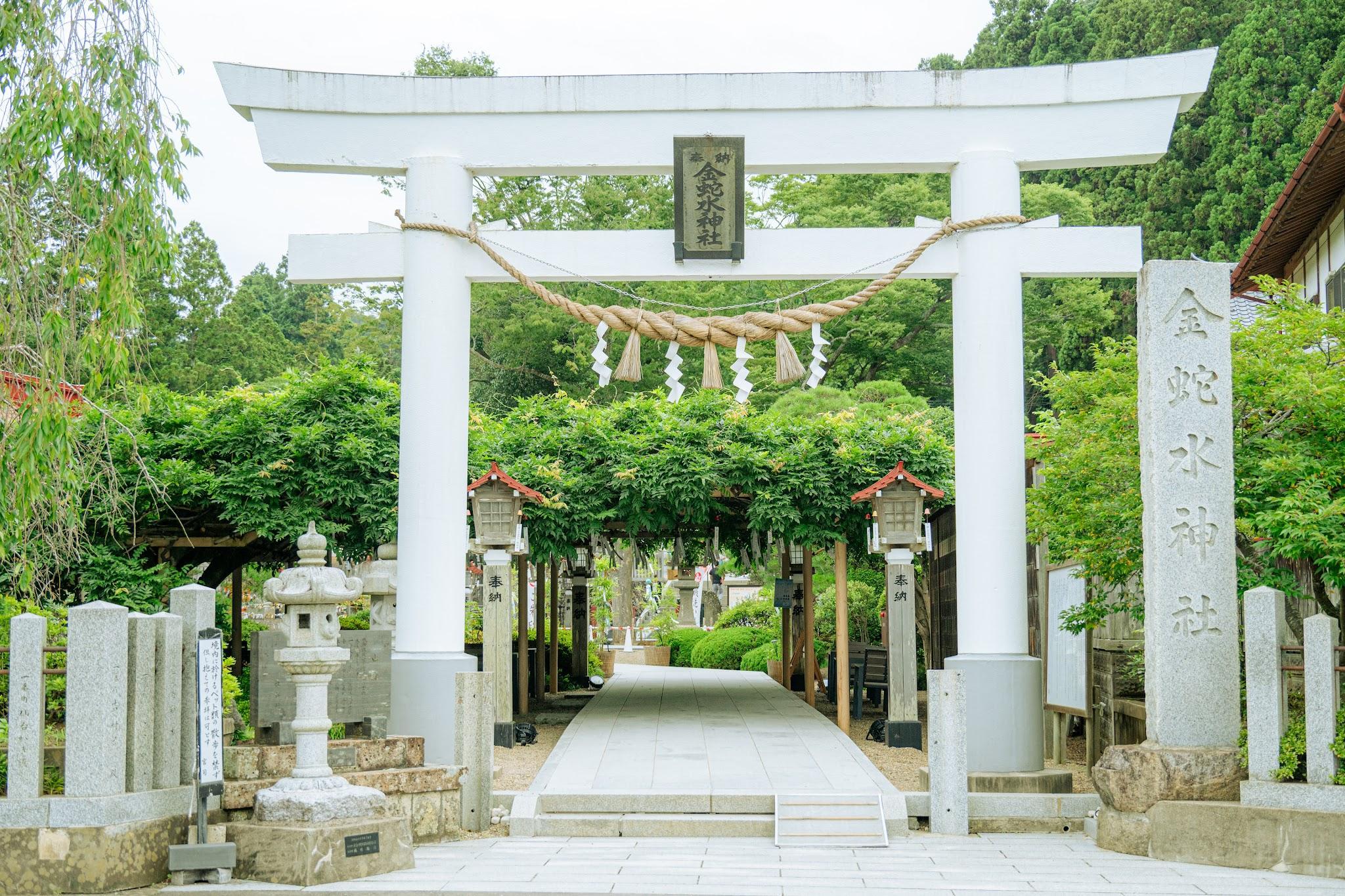
Kanahebisui Shrine

Kanahebisui Shrine
Kanahebisui Shrine
Kanahebisui Shrine

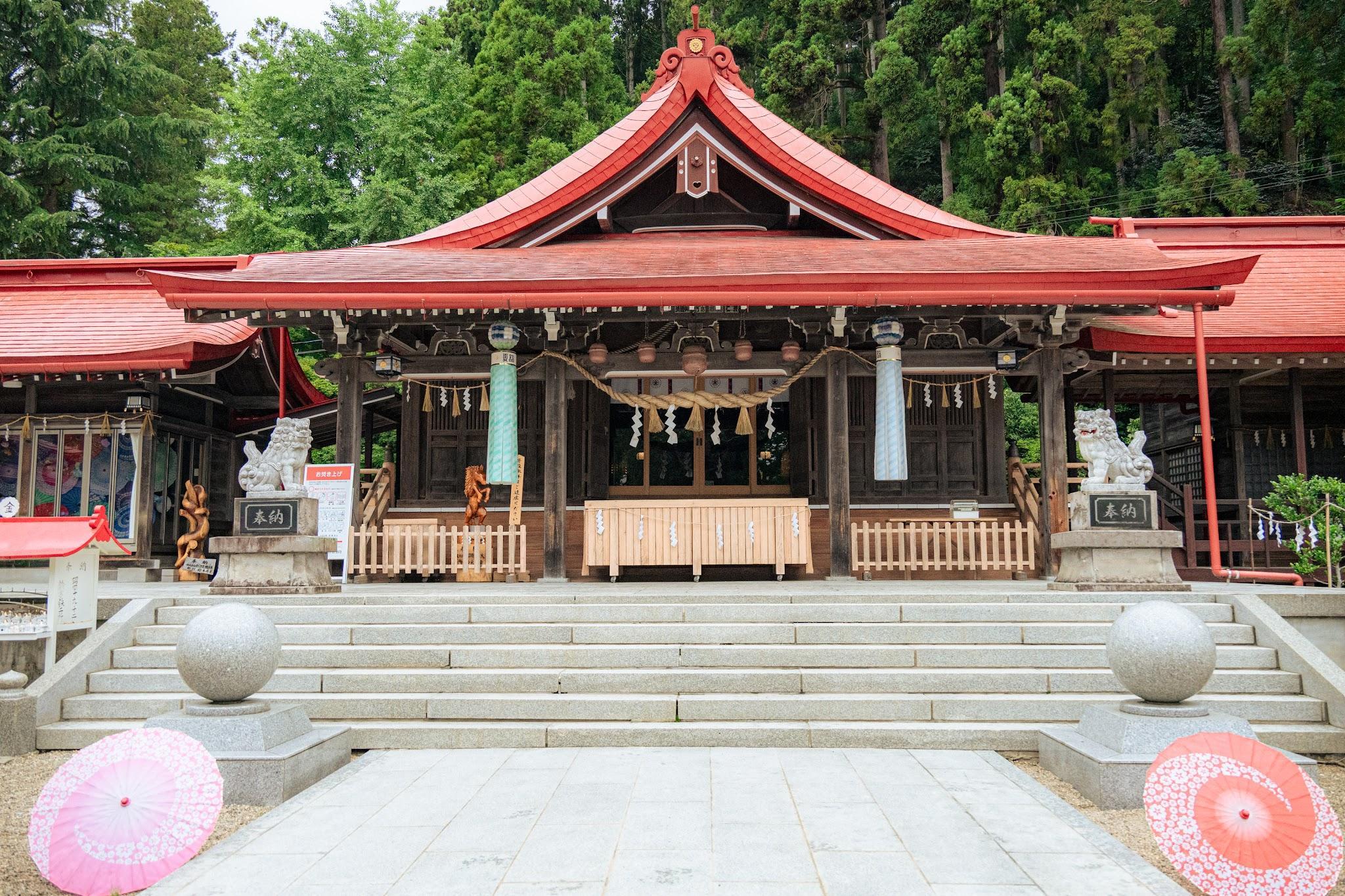
Kanahebisui Shrine is one of Miyagi’s best-known places to pray for wealth, good fortune in business and success. Dedicated to a water deity, the shrine has long drawn visitors hoping for a little extra luck on their side.

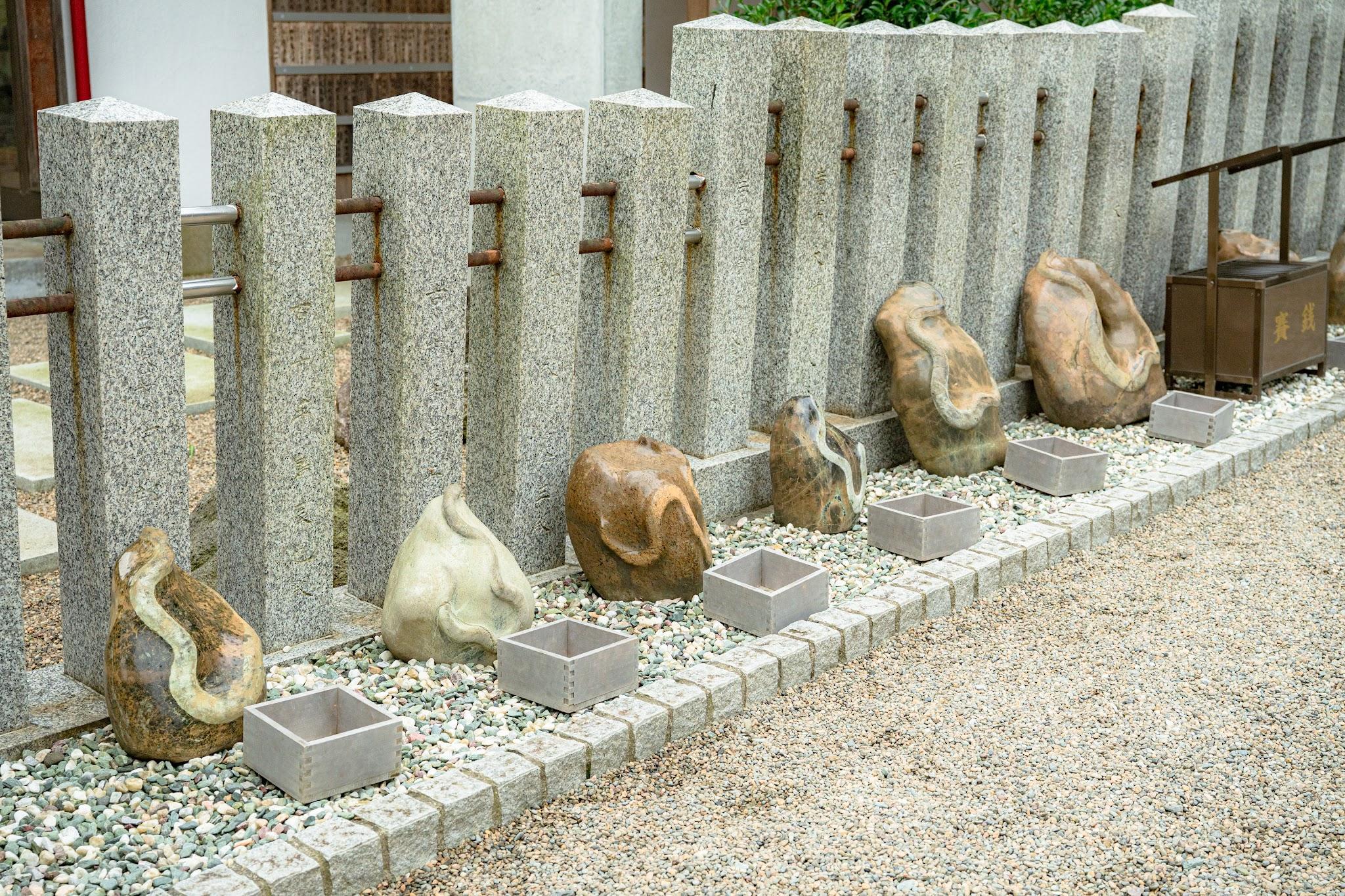
Look around the grounds and you will spot jamonseki, stones naturally patterned with markings that resemble snakes. The custom is to choose whichever stone catches your eye, then gently brush your wallet against it while making a wish for prosperity.

Address7 Suijin, Miiroyoshi, Iwanuma, Miyagi

AccessAround 20 minutes by car from Sugo Smart IC on the Tohoku Expressway

Useful Tip

Before leaving the shrine, look out for its distinctive card-shaped omamori charms. The same size as a standard credit card and beautifully designed, they slip neatly into a wallet—a small way to carry wishes for prosperity and good fortune with you wherever you go.

Sendai Area

Sando Terrace at Kanahebisui Shrine

Sando Terrace at Kanahebisui Shrine

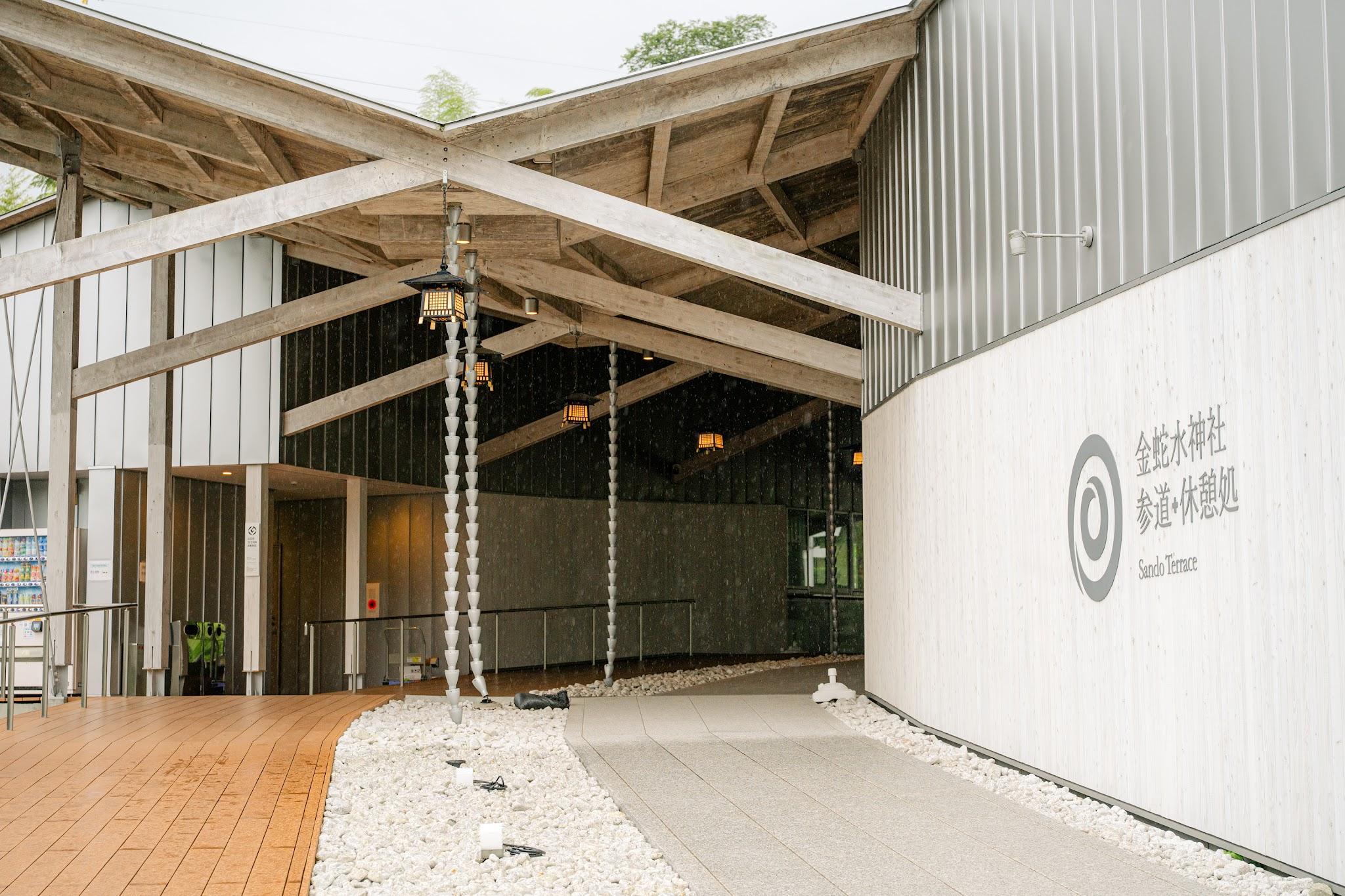
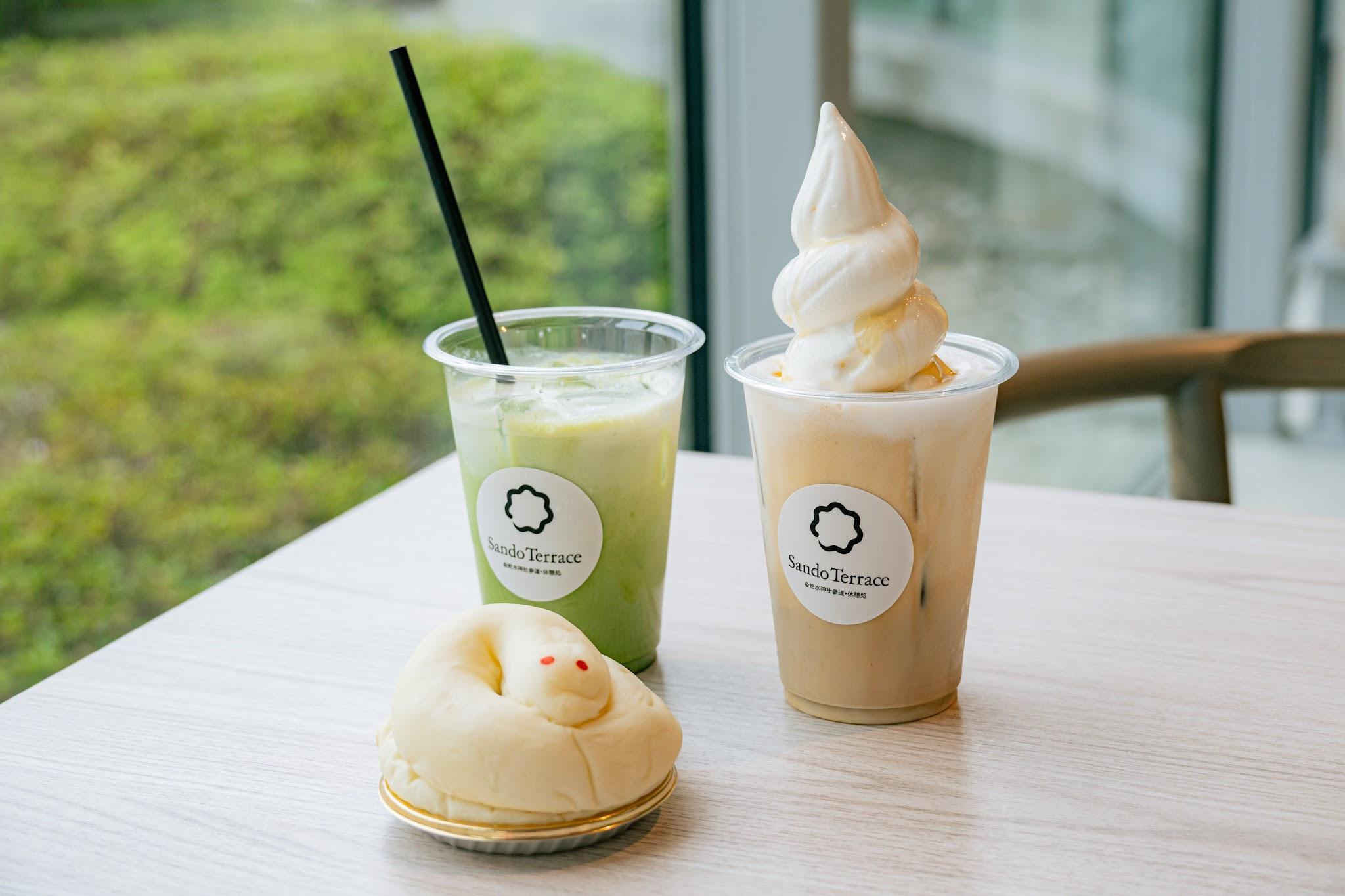
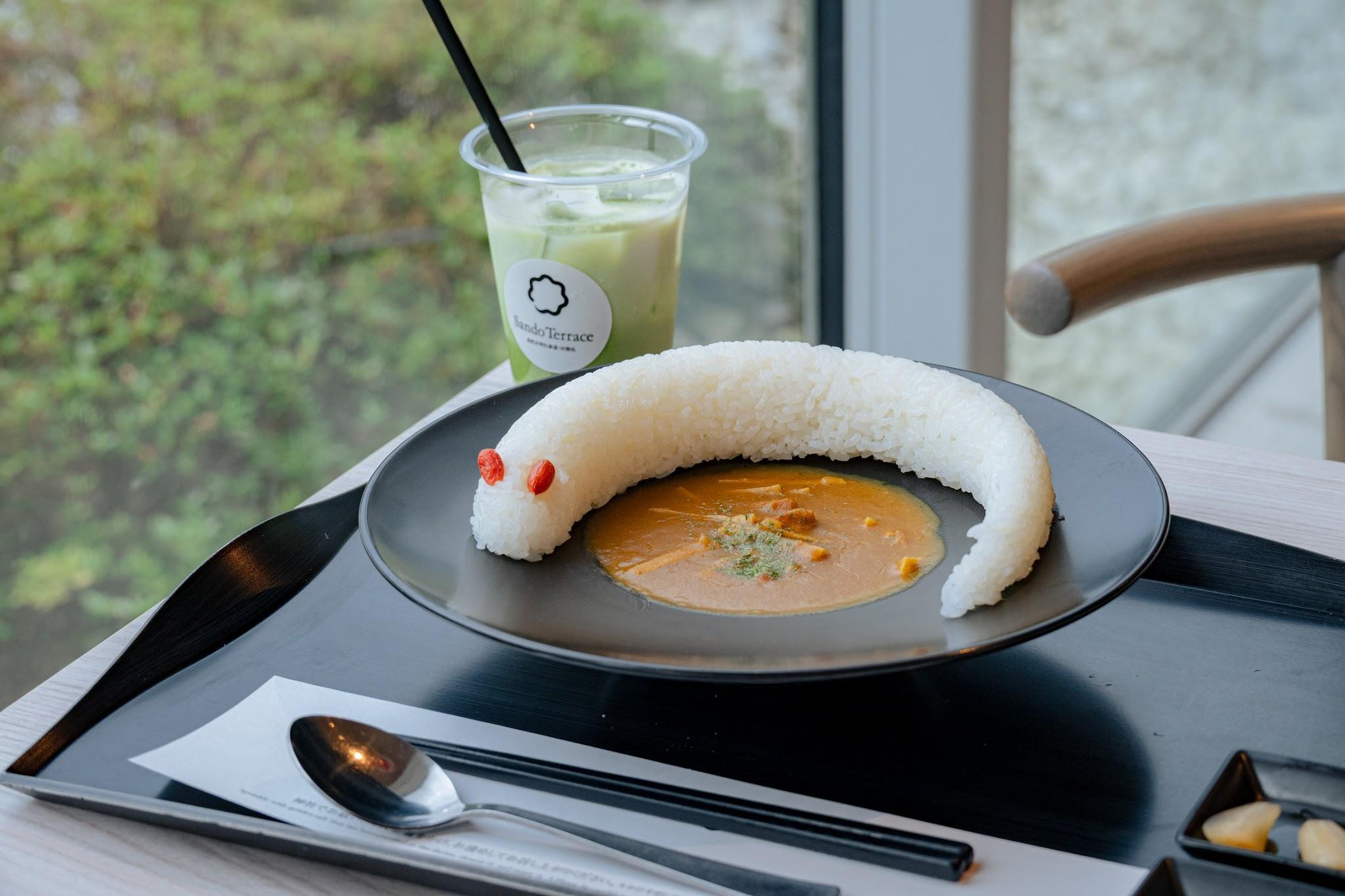
After visiting the shrine, stop by Sando Terrace, a recent addition to its outer grounds. Simple, modern wooden architecture blends into a leafy garden, while the stylish café serves a playful selection of food and drinks inspired by the shrine’s white snake motif.

Address11-1 Suijin, Miiroyoshi, Iwanuma, Miyagi

With a little extra good fortune to take with you, leave Kanahebisui Shrine behind and follow the Sanriku Coastal Expressway north toward the blue waters of the Sanriku Coast.

Over the next hour, the city gradually falls away, replaced by open views of mountains and sea. The road eventually leads to Minamisanriku, one of the areas that suffered devastating damage in the Great East Japan Earthquake.

Around 1.5 hours via expressway

Sanriku Coast Area

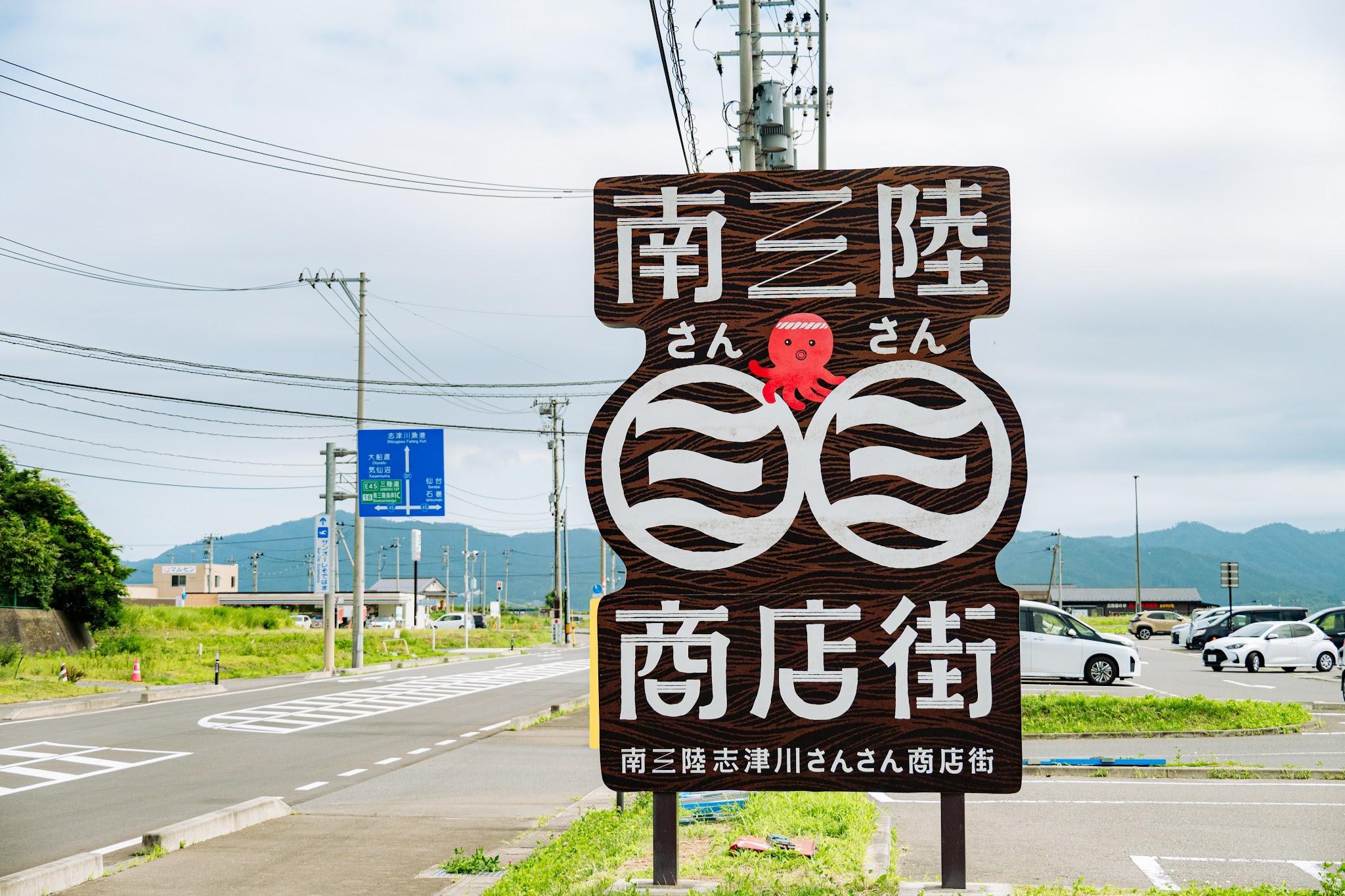
Minamisanriku Sun Sun Shopping Village

Minamisanriku Sun Sun Shopping Village

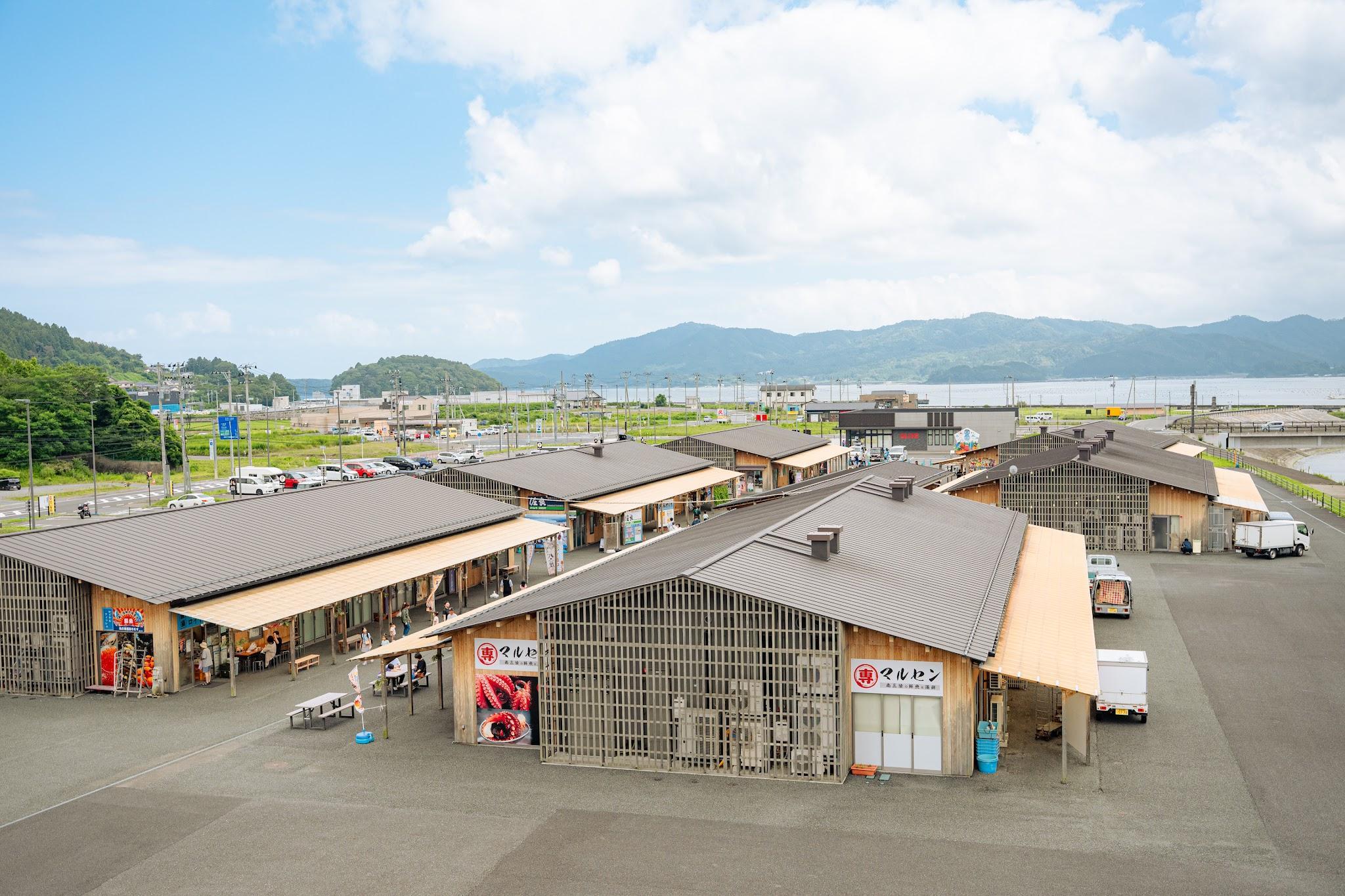
Designed by renowned Japanese architect Kengo Kuma, Minamisanriku Sun Sun Shopping Village makes generous use of locally grown Minamisanriku cedar. Warm timber runs throughout the complex, allowing the architecture to sit naturally among the mountains and sea that surround it.

Developed as an important hub for the town’s recovery following the Great East Japan Earthquake, the village brings together fishmongers, souvenir shops and restaurants serving local specialties.

Wander between the shops, stop for fresh seafood or browse products from around the region, and you will also encounter a coastal town that has steadily regained its energy in the years since the disaster.

Address201-5 Itsukamachi, Shizugawa, Minamisanriku, Motoyoshi District, Miyagi

AccessAround 5 minutes by car from Shizugawa IC on the Sanriku Expressway

Useful Tip

The shopping village sits beside Minamisanriku Memorial Park, connected by the Nakahashi Bridge across the Nakagawa River, another design by Kengo Kuma. Take a stroll across the bridge and around the park, with plenty of striking views to capture along the way.

One local specialty worth seeking out in Minamisanriku is the Kirakira-don, a seafood rice bowl that changes with the seasons.

Spring brings the Harutsuge-don, combining seasonal seafood with fresh spring vegetables, while summer is all about sweet, rich sea urchin. In autumn, bonito, salmon and conger eel take center stage, before winter brings a generous selection of rich, flavorful local fish, Shizugawa octopus and oysters at their seasonal best.

With different seafood appearing throughout the year, Kirakira-don offers a taste of Minamisanriku that is always rooted in the season.

Kirakira-don seafood rice bowl
Sanriku Coast Area

Sushi Benkei

Sushi Benkei

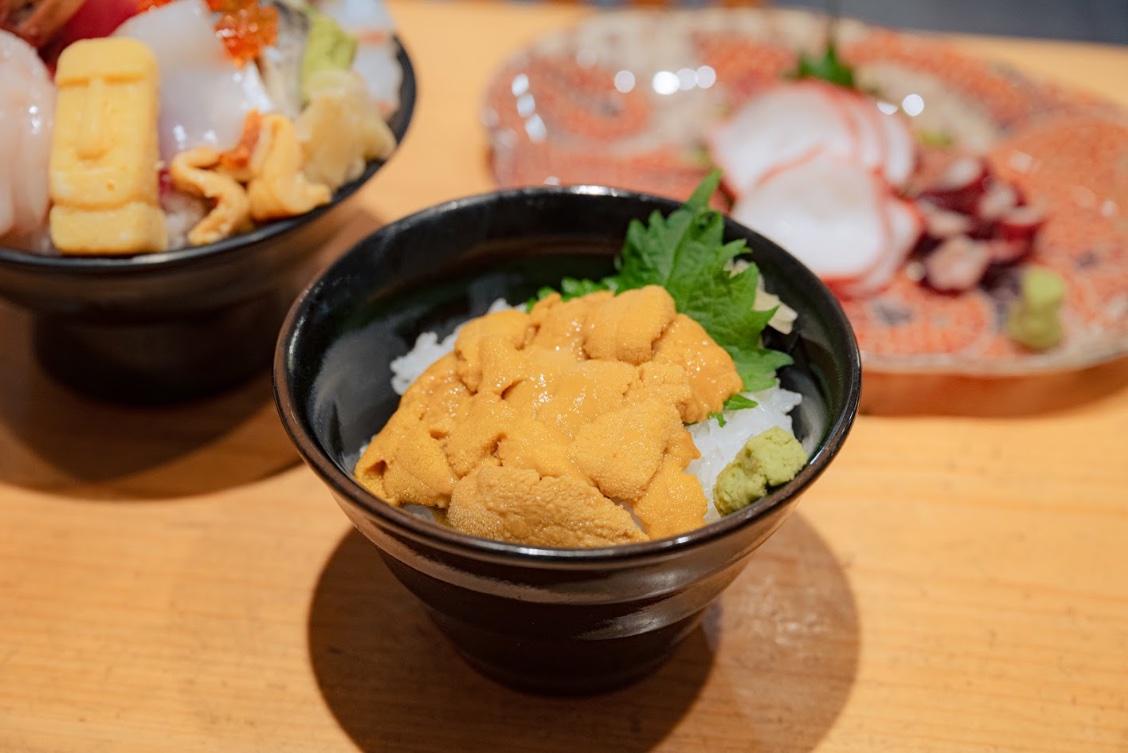
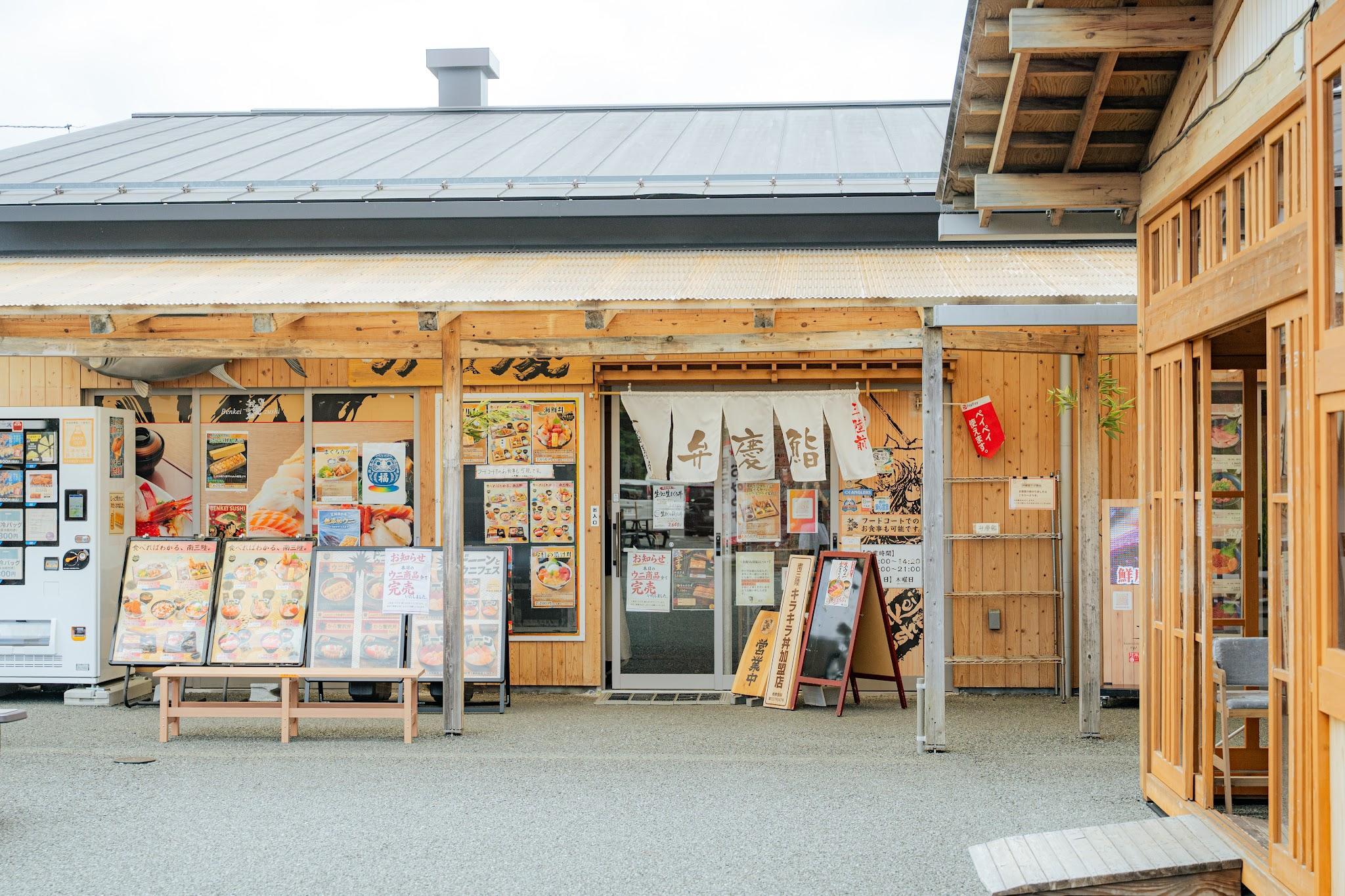
At Sushi Benkei, a popular spot for Kirakira-don, summer brings the limited-quantity Kirakira Uni-don. The bowl is generously topped with fresh seasonal sea urchin, prized for its rich sweetness and brilliant golden color.

Piled high over rice, the glistening uni resembles a bowl filled with jewels from the sea—a particularly indulgent taste of summer in Minamisanriku.

AddressBuilding E-1, Minamisanriku Sun Sun Shopping Village, 201-5 Itsukamachi, Shizugawa, Minamisanriku, Motoyoshi District, Miyagi

Leaving the Minamisanriku coast behind, the road turns northwest and winds into the mountains. After around an hour, the faint scent of sulfur begins to drift through the air, signaling your arrival in Naruko Onsen, a celebrated hot spring town with a history stretching back more than a thousand years.

Settle into the warm waters and soak away the miles of the day, bringing the second day on the road to a peaceful close.

Northern Miyagi Area

Naruko Onsen Hot Spring Village

Naruko Onsen Hot Spring Village

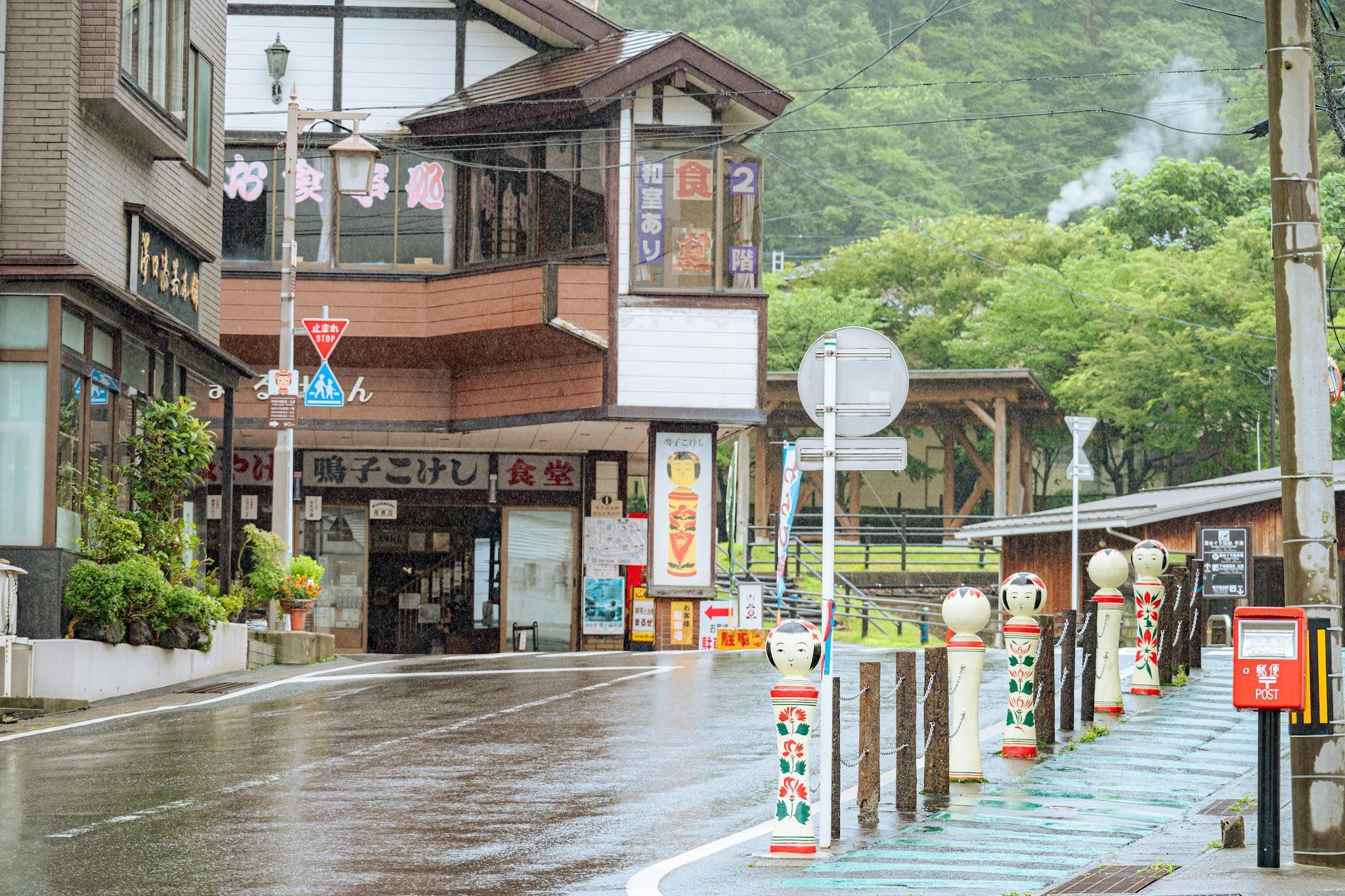
With a history stretching back more than a thousand years, Naruko Onsen has long been one of Japan’s best-known destinations for toji, the tradition of staying at a hot spring for rest and recuperation.

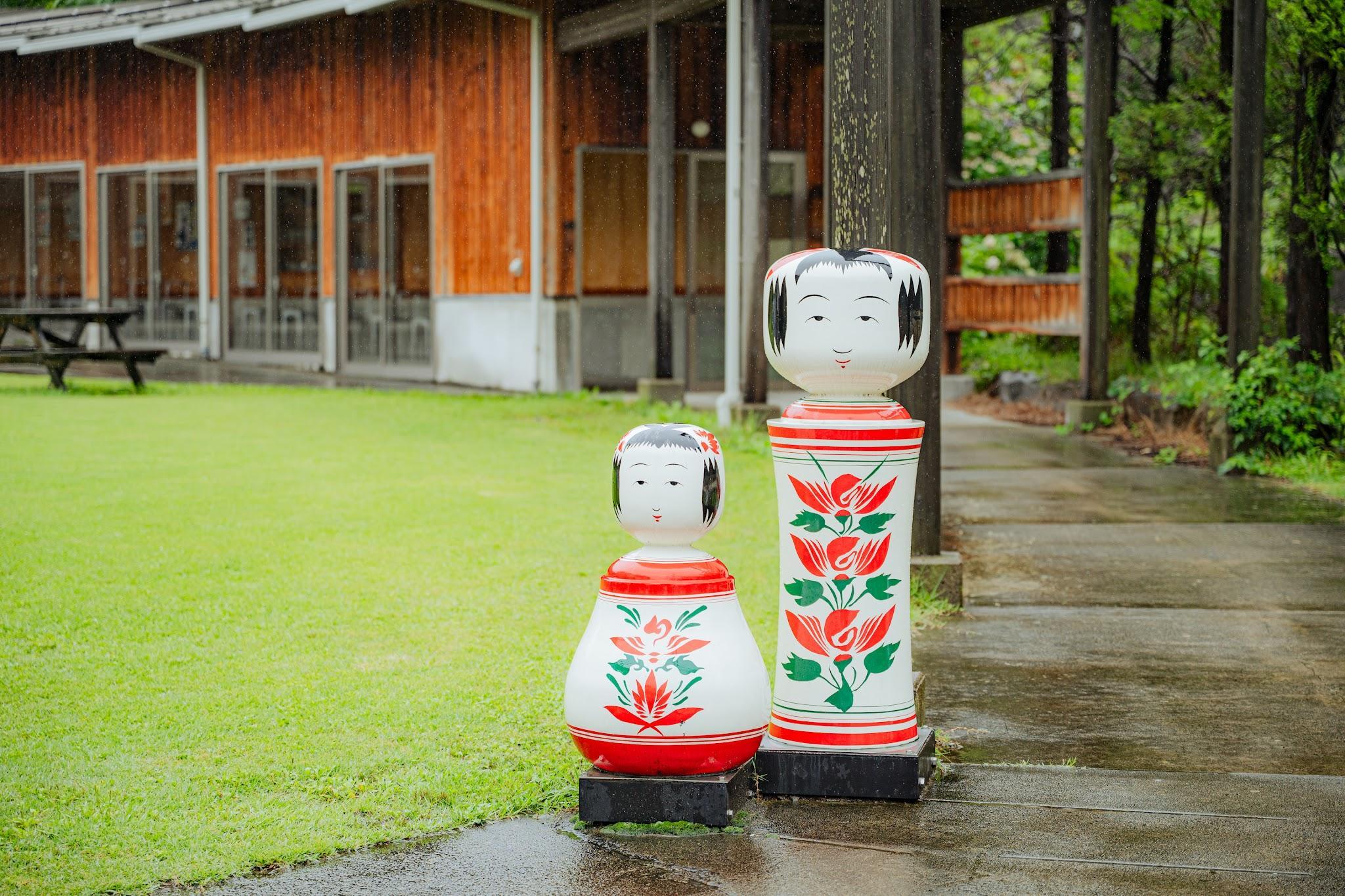
But there is more to Naruko than its waters. The town is also the birthplace of Naruko kokeshi, one of Japan’s traditional styles of wooden dolls. Wander through the streets and traces of that heritage appear everywhere, from colorful kokeshi to workshops where generations of woodturners have kept the craft alive, all set against a nostalgic townscape with echoes of the Showa era.

Free footbaths and hand baths dotted around town make it easy to pause along the way, soak for a while and experience Naruko’s hot spring culture for yourself.

AddressYumoto, Naruko Onsen, Osaki, Miyagi

AccessAround 45 minutes by car from Furukawa IC on the Tohoku Expressway

At the end of the day, Naruko Onsen Yumoto Kissho awaits on a hillside overlooking the hot spring town. Its baths draw on Naruko’s celebrated waters, part of a hot spring tradition stretching back more than a thousand years.

Smooth and gentle on the skin, the hotel’s own natural spring water is an inviting place to soak away the fatigue of a day spent traveling along the coast.

Northern Miyagi Area

Naruko Onsen Yumoto Kissho

Naruko Onsen Yumoto Kissho

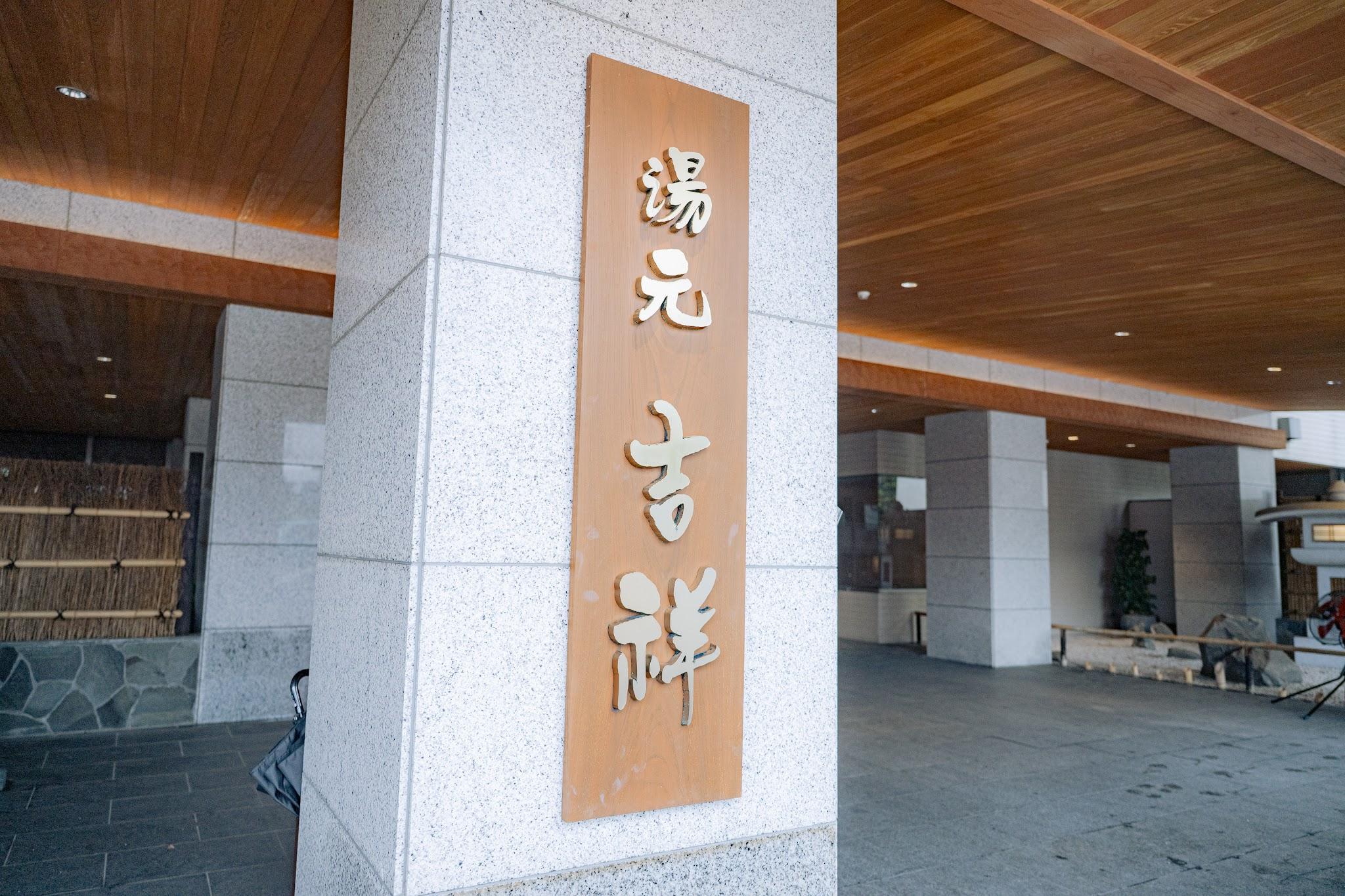
Surrounded by the mountains of Naruko, Yumoto Kissho is a traditional Japanese-style ryokan shaped by the town’s thousand-year hot spring heritage and warm hospitality.

After changing into one of the colorful yukata, the private open-air baths offer a quiet place to unwind. Fed directly from the natural spring and free for guests to use, they offer the rare luxury of having the warm, soothing waters entirely to yourself.

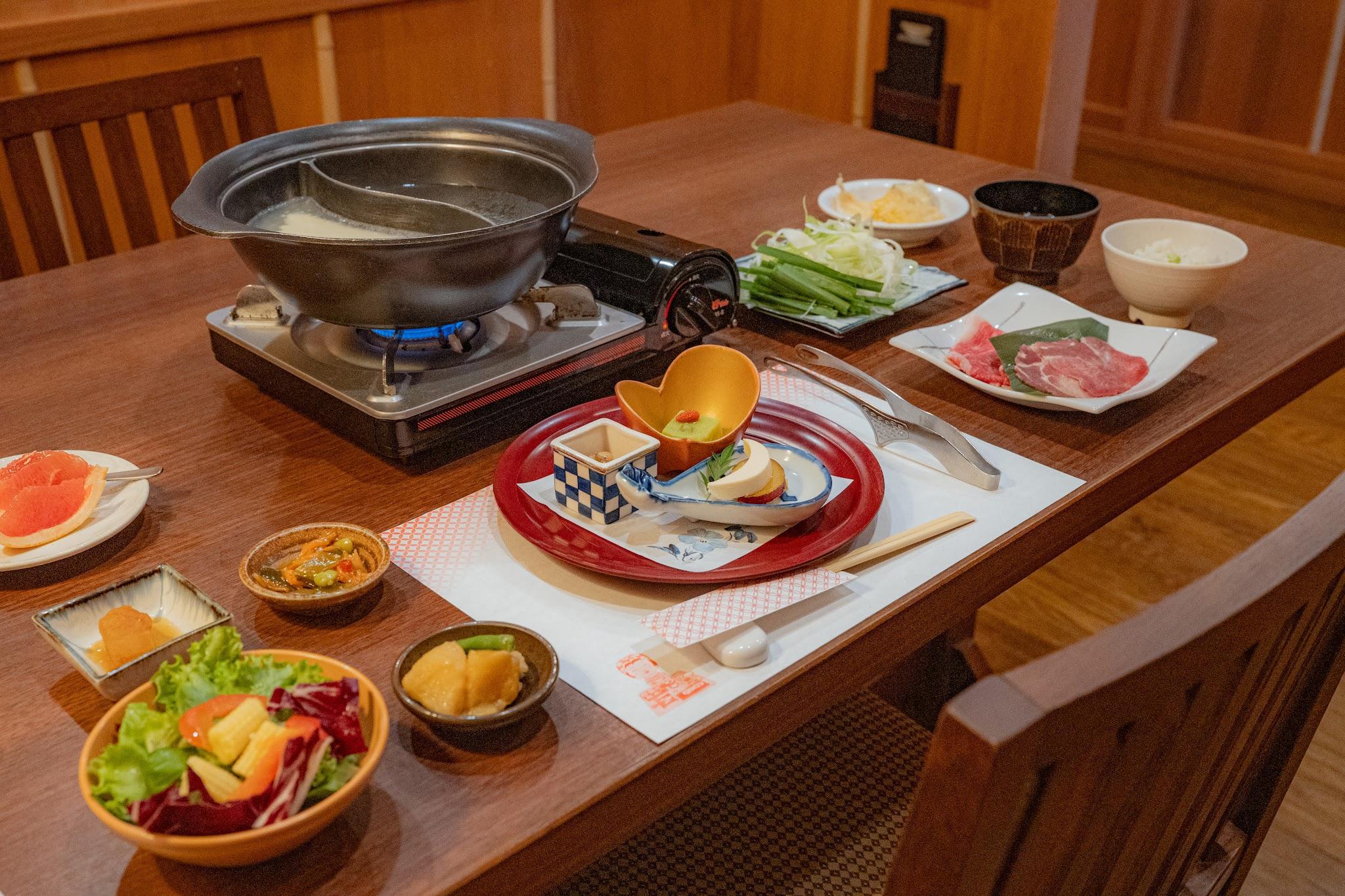
Dinner brings the flavors of Miyagi to the table, with dishes showcasing seasonal ingredients from across the prefecture. As night settles over the mountains, the rising steam and stillness of the hot spring town create just the setting to slow down, settle in and enjoy Naruko at its most peaceful.

Address58-10 Yumoto, Naruko Onsen, Osaki, Miyagi

A Little Further Afield

If time allows, or you simply want to shape the journey around your own interests, consider venturing a little further to some of the distinctive spots scattered along this stretch of coast. Here, dramatic natural landscapes meet contemporary art, with plenty more to discover if you have a little extra time to explore.

Sanriku Coast Area

Ogama Hanzo and Oreishi Rock

Ogama Hanzo and Oreishi Rock

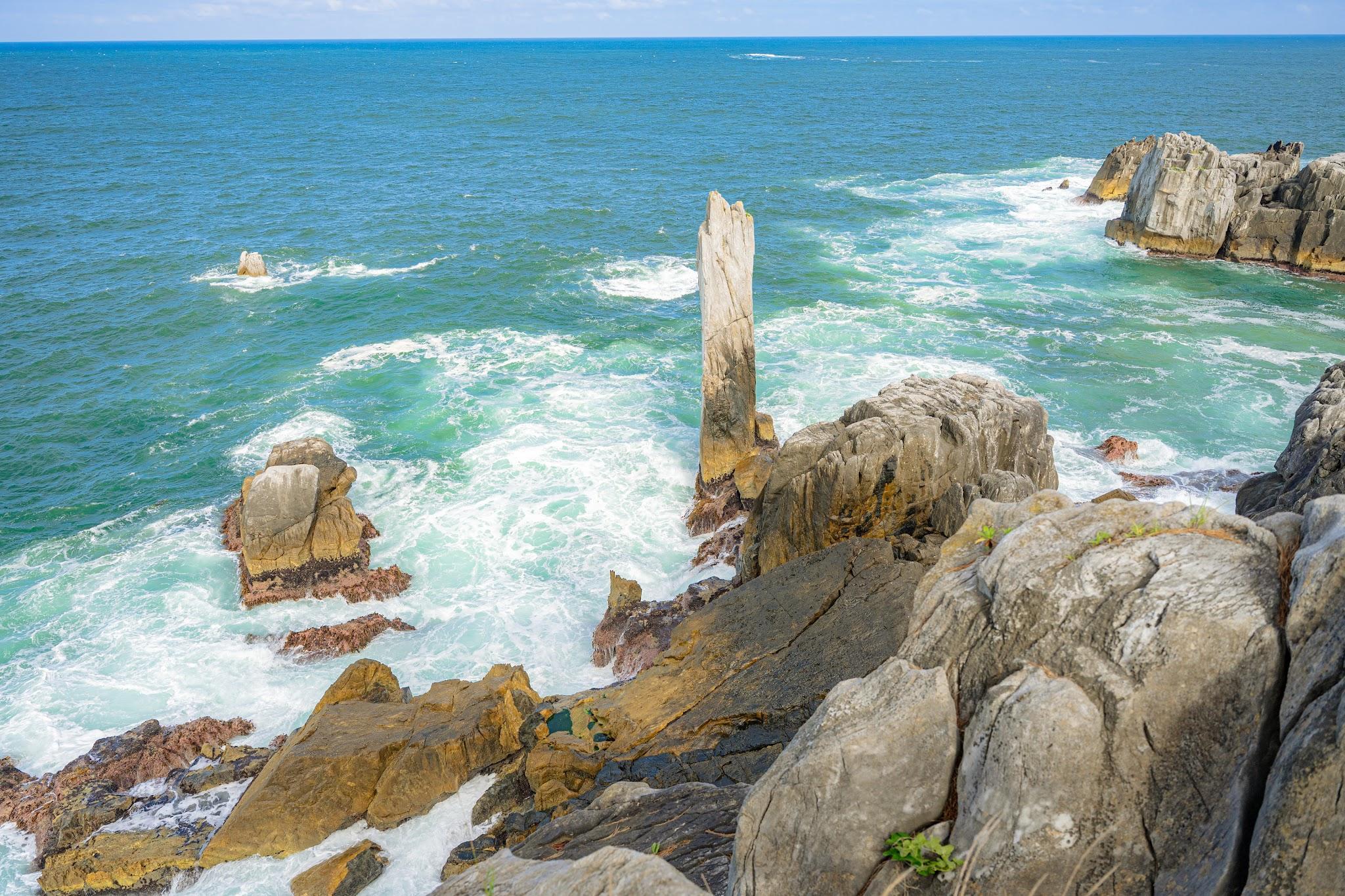
On the Kesennuma coast, Ogama Hanzo is one of the most dramatic seascapes in Sanriku Fukko National Park. Waves crash against sheer cliffs in clouds of white spray, said to resemble water boiling in a great cauldron—the image that gave Ogama its name.

Most striking of all is Oreishi, a 16-meter marble pillar rising from the sea. Its name, meaning “Broken Rock,” is said to date from the great tsunami of 1896, when the top of the pillar was snapped away.

More than a century and several major earthquakes later, Oreishi still stands above the waves, a striking reminder of both the immense power of nature and its enduring resilience.

Address313 Karakuwachonaka, Kesennuma, Miyagi

AccessAround 11 minutes by car from Karakuwa Hanto IC on the Sanriku Expressway

Sanriku Coast Area

Reborn-Art Festival “White Deer (Oshika)”

Reborn-Art Festival “White Deer (Oshika)”

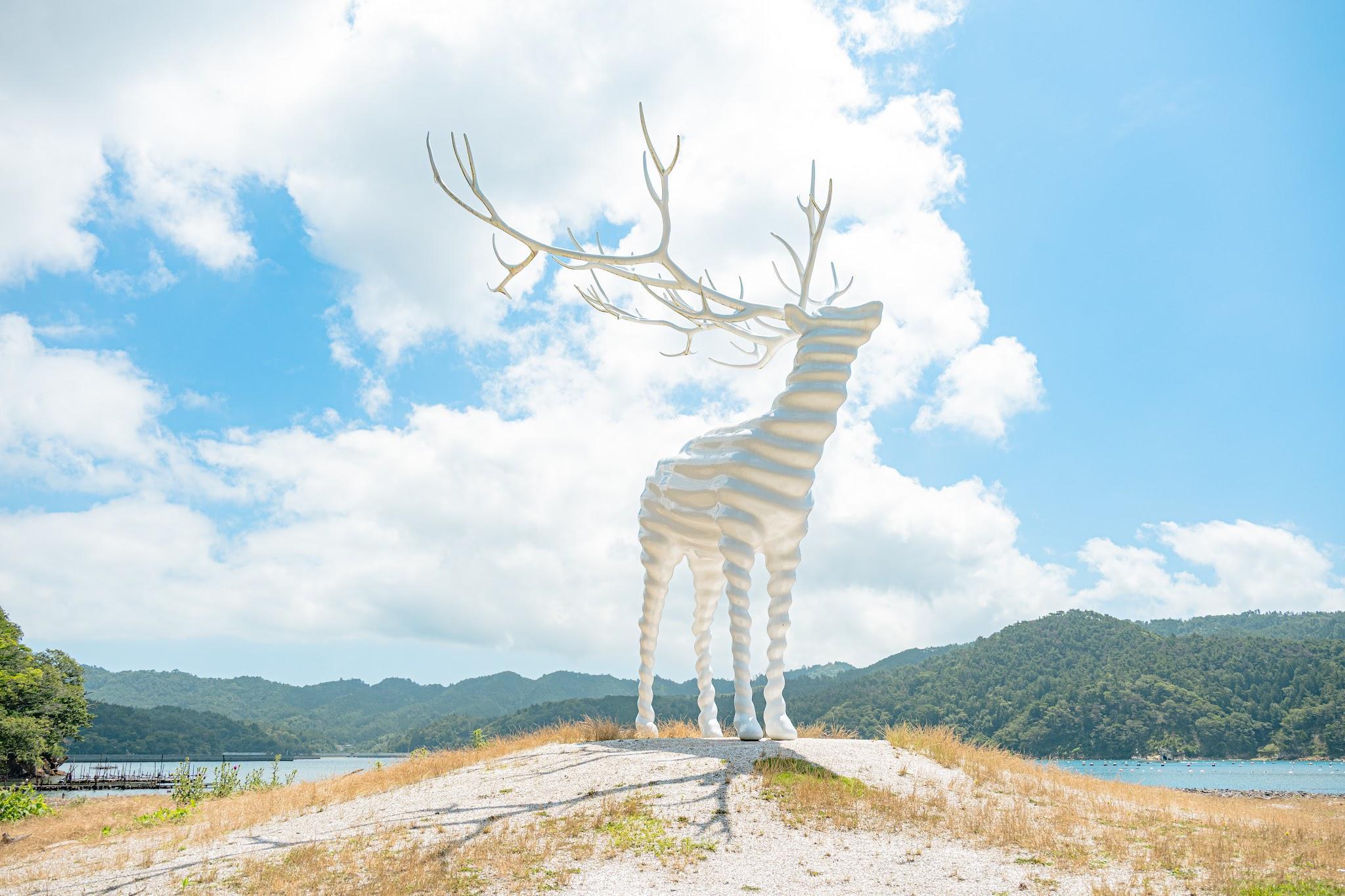
Created by sculptor Kohei Nawa, this enormous white deer stands quietly by the sea on Ishinomaki’s Oshika Peninsula. Its graceful white form gazes out across the water, an imposing yet strangely wistful presence that has become one of the landmarks of Ishinomaki’s art festival.

AddressOgihama, Ishinomaki, Miyagi

AccessAround 40–50 minutes by car from central Ishinomaki, or around 90 minutes from central Sendai

Sanriku Coast Area

Osuzaki Lighthouse

Osuzaki Lighthouse

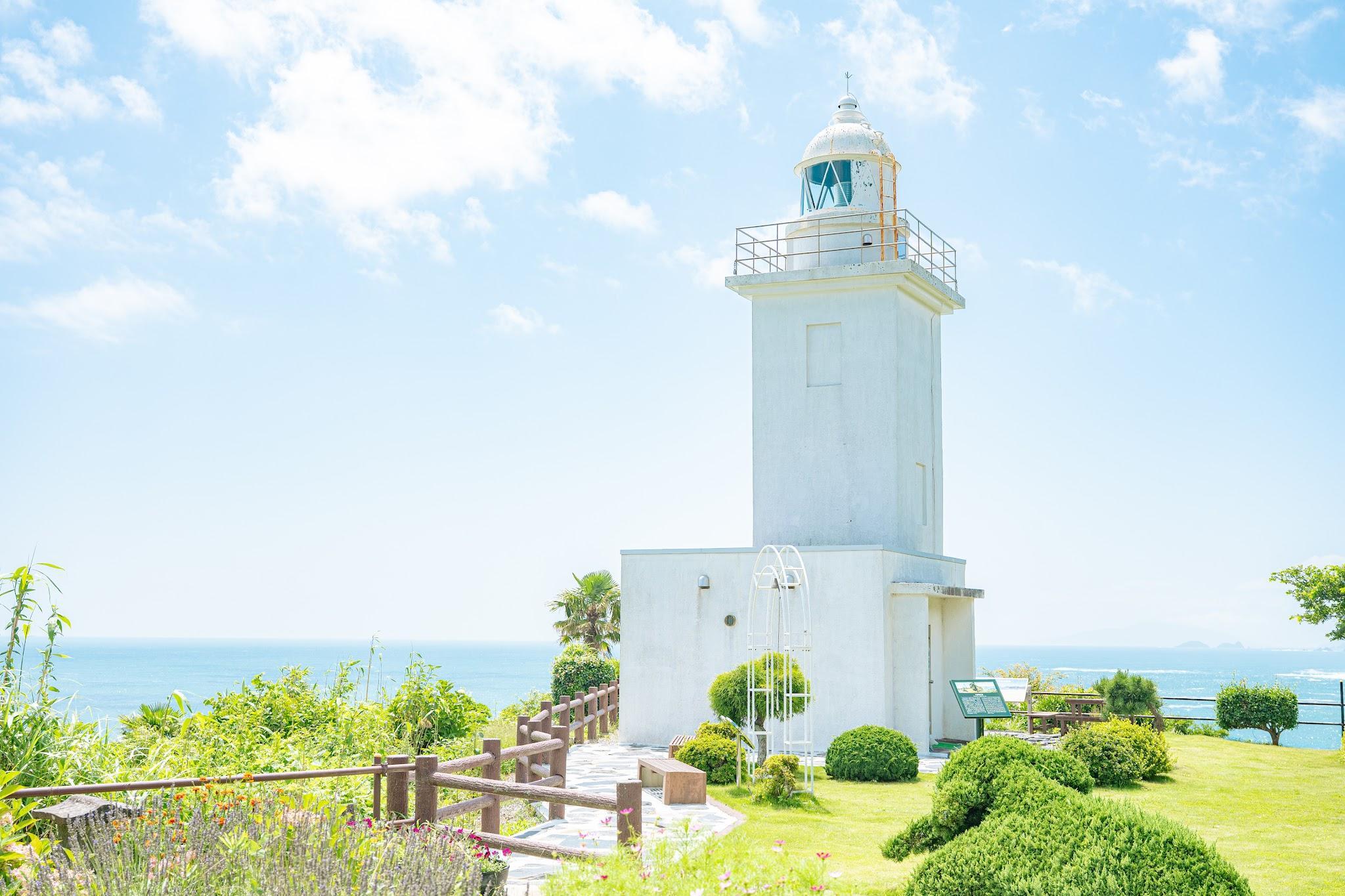
Follow the coastline to Osuzaki Lighthouse, standing at the eastern edge of the sea off Ogatsu.

Perched high on the cliffs, the gleaming white lighthouse occupies a quiet spot far from the busier tourist trail. From here, the view opens out across the vast Pacific, stretching seemingly without end toward the horizon.

Address147-2 Osu, Ogatsu-cho, Ishinomaki, Miyagi

AccessAround 45 minutes by car from Kahoku IC on the Sanriku Expressway

Travel Notes

Look down from the lighthouse and you may notice something unexpected: the breakwaters of nearby Osu Fishing Port happen to trace the shape of a heart.

Set against the brilliant blue of the sea, the heart-shaped harbor adds a charming, romantic touch to the sweeping coastal scenery.

DAY 3

Deep Green Gorges, Handcrafted Memories and Vibrant Summer Festivals

After an evening of soothing hot springs and local cuisine in Naruko Onsen, the miles of the past two days have melted away and the journey is entering its final stretch.

Before leaving this peaceful hot spring town behind, take a short detour to discover one of the lesser-known spots nearby. With one more memorable Miyagi landscape to take in, it is time to set out on the final drive.

Around 15 minutes by car

Northern Miyagi Area

Naruko Dam

Naruko Dam
Naruko Dam

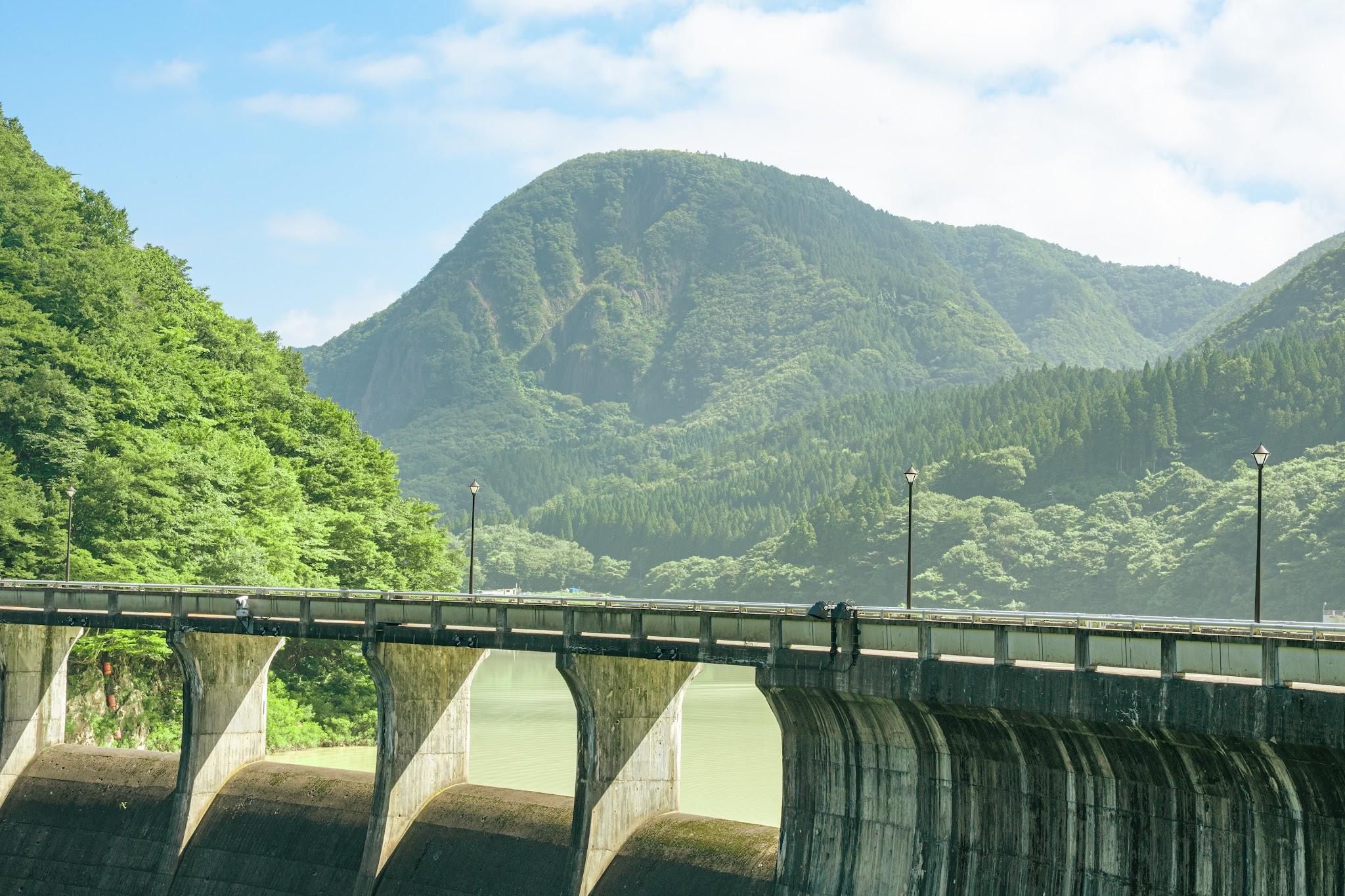
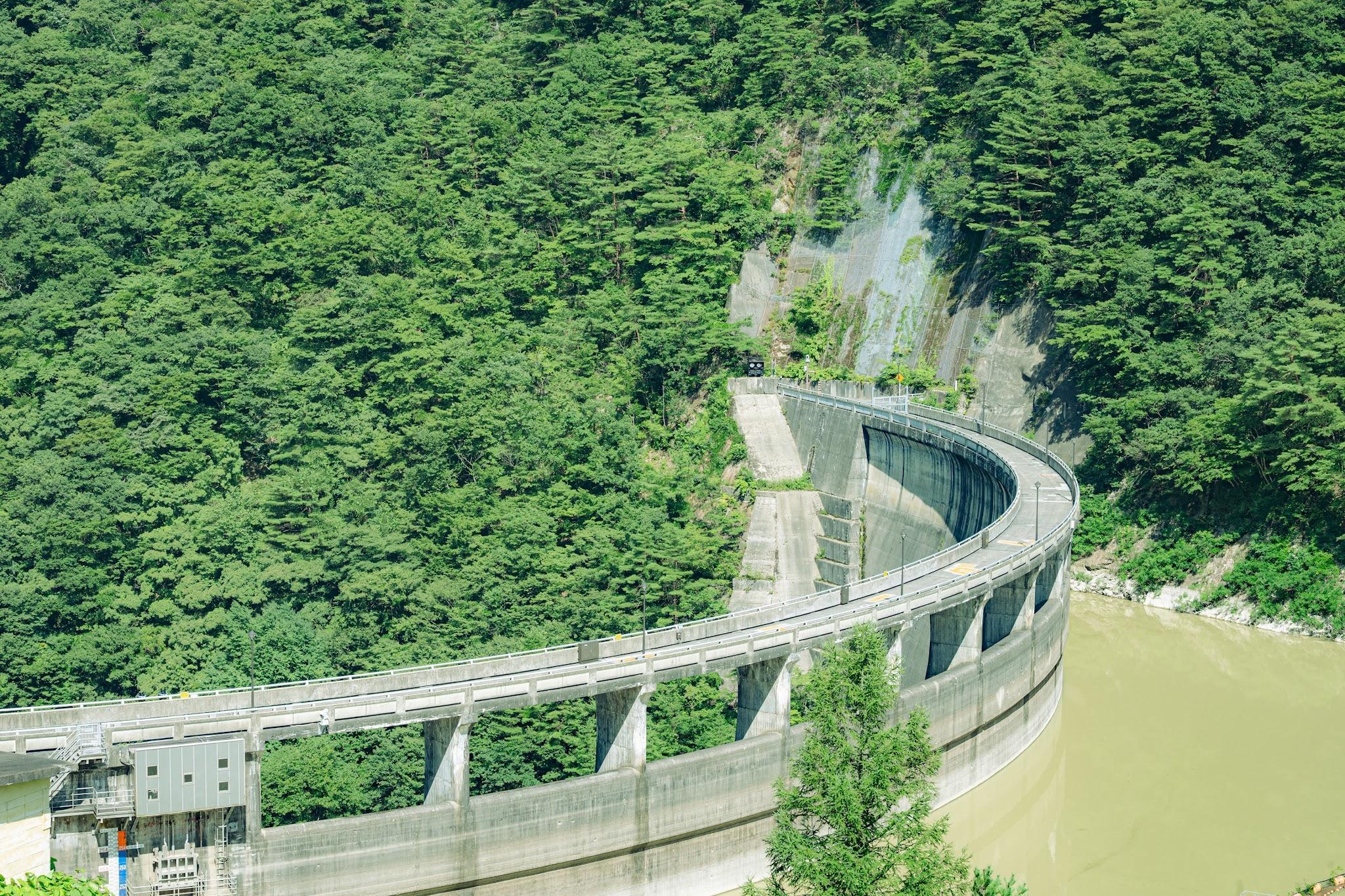
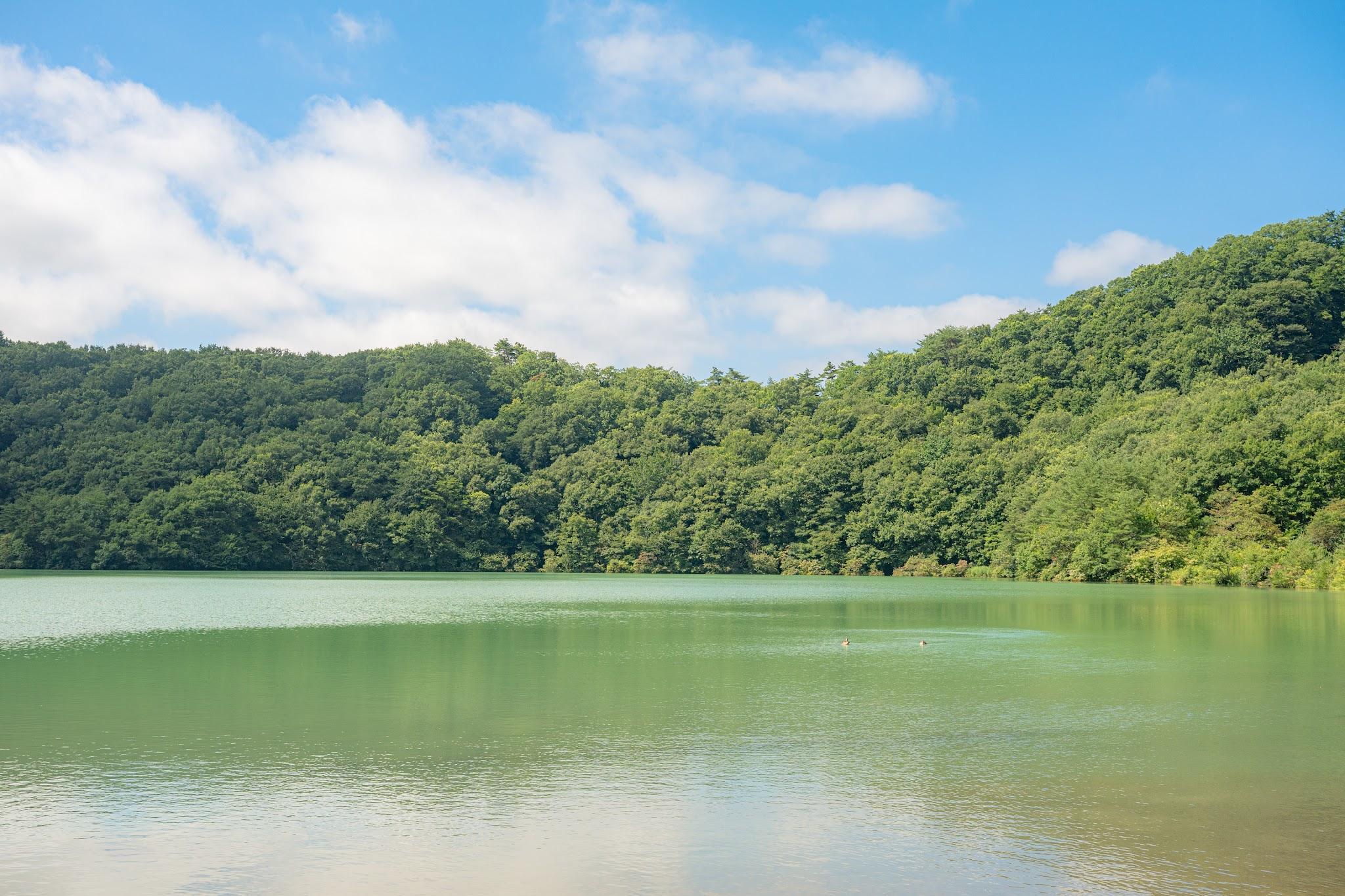
Rising more than 100 meters above the valley, Naruko Dam was the first arch concrete dam of its scale in Japan to be built entirely by Japanese engineers, without the assistance of overseas specialists.

Visit in summer and the surrounding mountains are blanketed in brilliant green, creating a dramatic backdrop to the vast reservoir. Cool breezes sweep through the valley, offering a welcome escape from the summer heat.

If you are exploring Naruko Onsen, make the short detour to the dam and spend a little time taking in the tranquil scenery before continuing your journey.

AddressIwabuchi, Naruko Onsen, Osaki, Miyagi

AccessAround 30 minutes by car from Furukawa IC on the Tohoku Expressway

Around 15 minutes by car

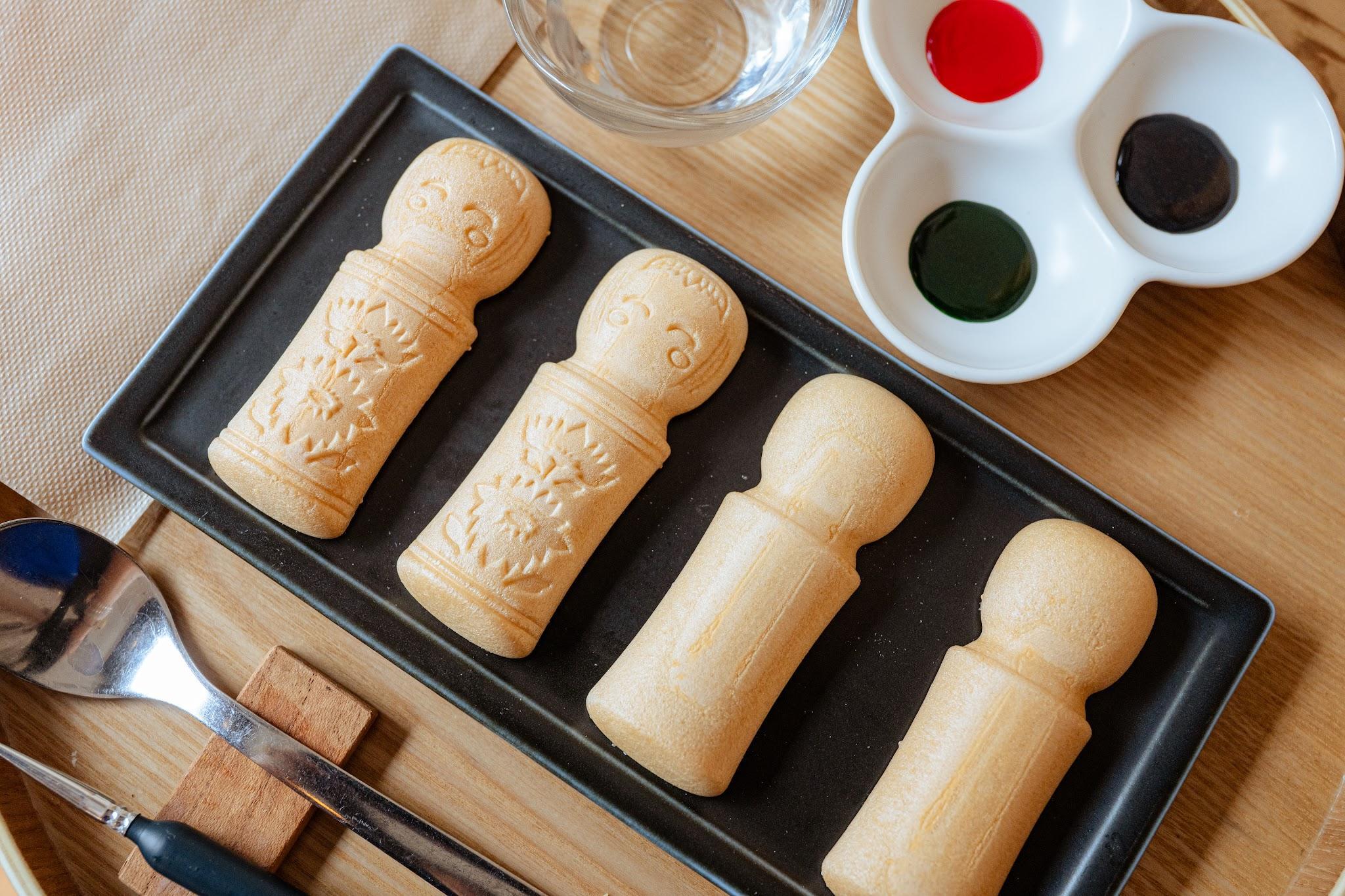
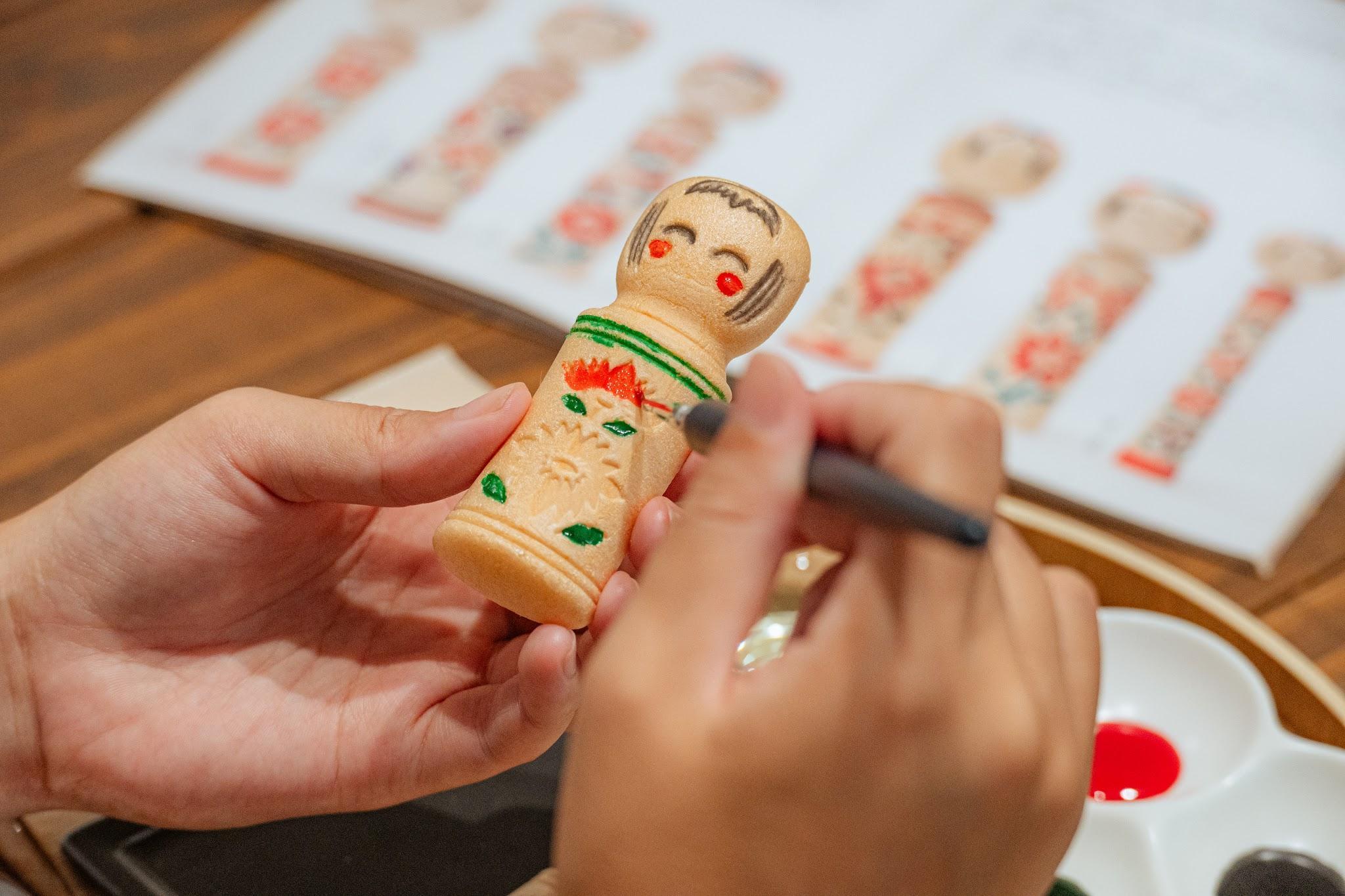
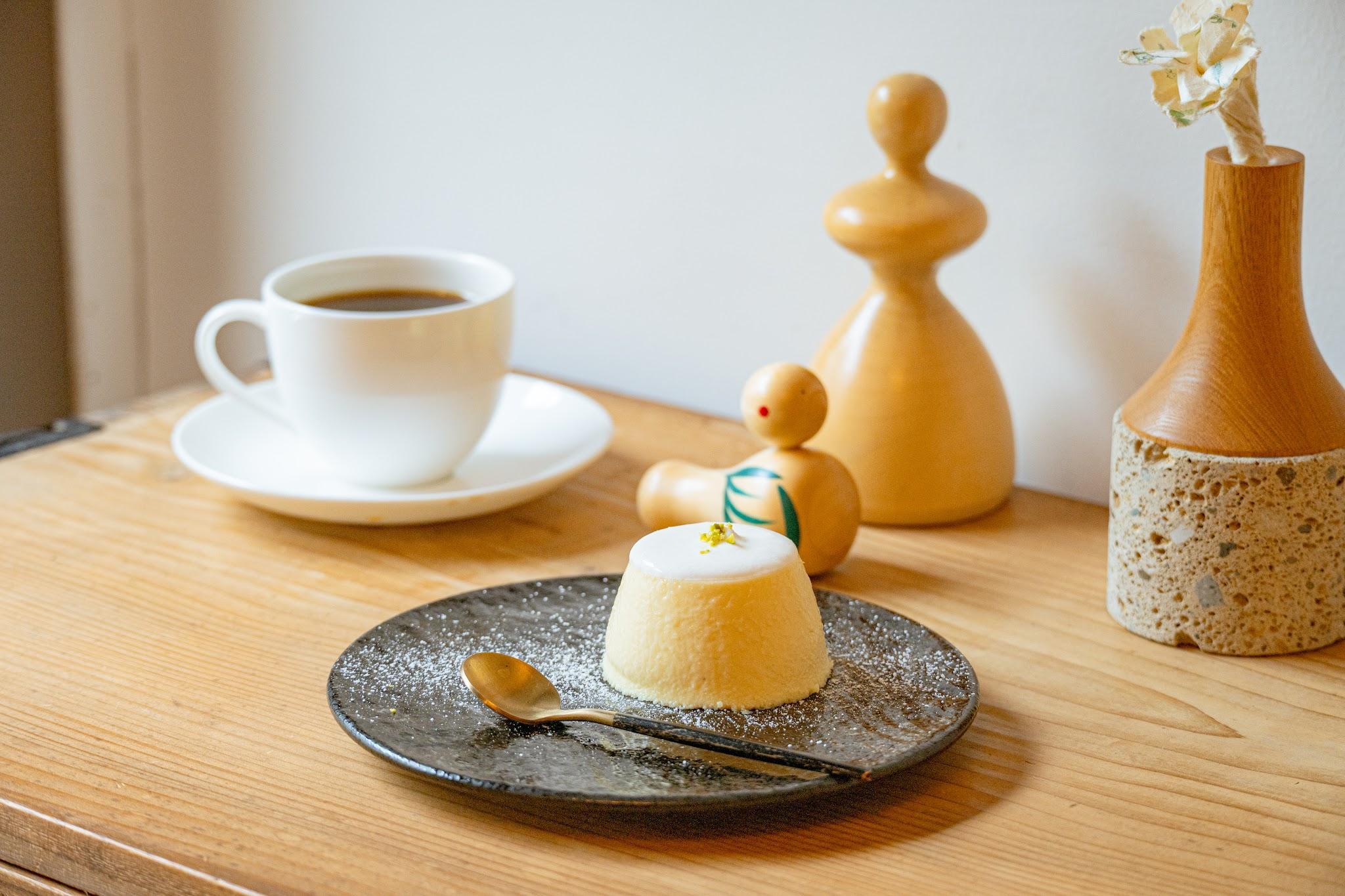
For the kokeshi monaka decorating experience, icing and a small brush are used to give the charming doll-shaped wafer a face of your own design. Once the decorating is complete, the monaka is filled with ice cream, turning a little creativity into a sweet treat to enjoy at the end.

Kokeshi monaka decorating experience
Northern Miyagi Area

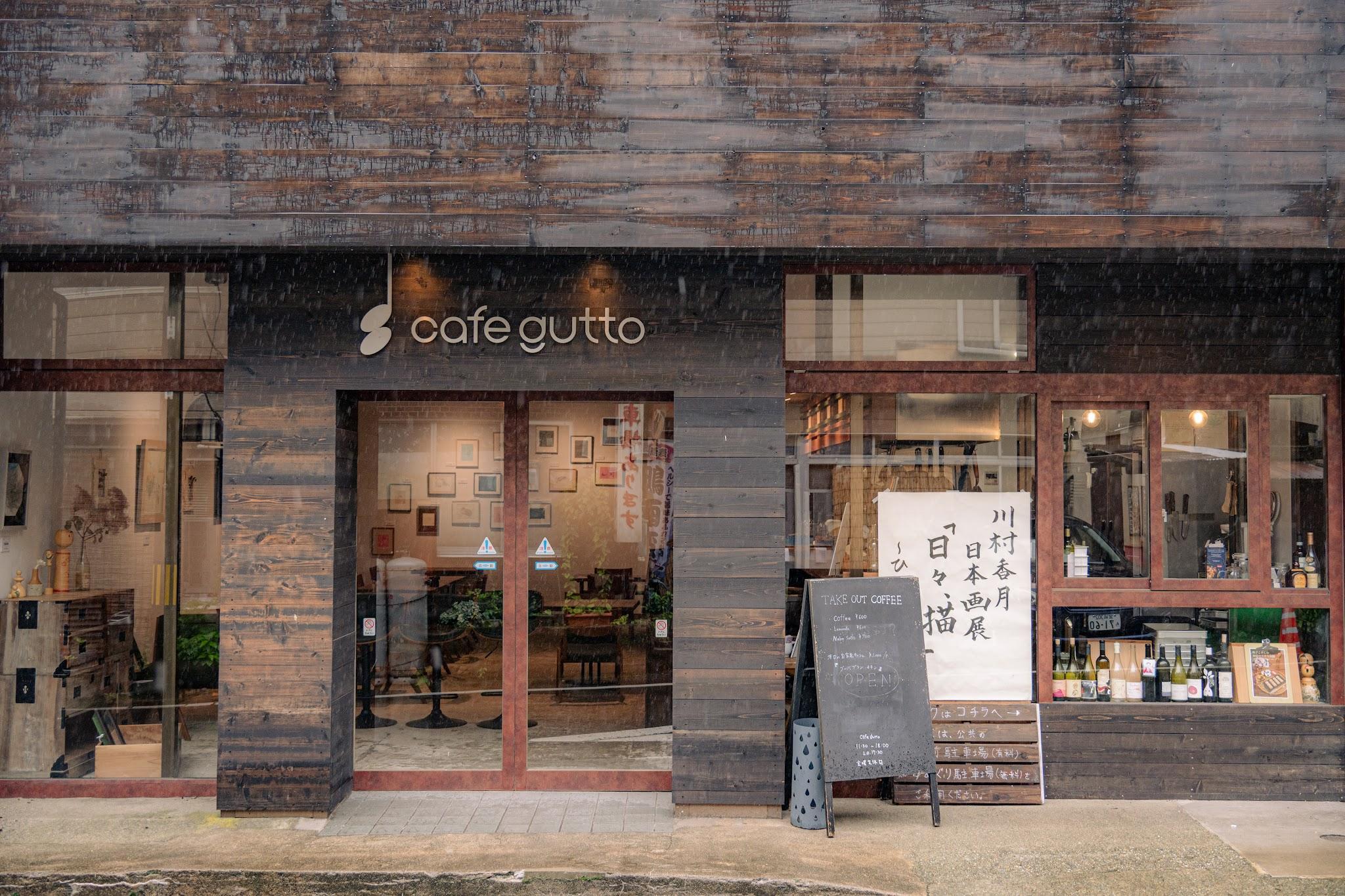
café gutto

café gutto
café gutto

The activity takes place at café gutto, a characterful spot in the heart of Naruko Onsen where the town’s craft traditions sit comfortably alongside a contemporary café setting.

Along with the decorating experience, the café serves light meals and coffee, with some dishes presented on tableware created by designers with close ties to Naruko Onsen. It is an easy place to linger for a while, with local craftsmanship woven naturally into the experience.

Address27-2-2 Yumoto, Naruko Onsen, Osaki, Miyagi

Access3-minute walk from JR Naruko-Onsen Station

With the morning’s detour complete, say goodbye to the peaceful hot spring town of Naruko and begin the drive back to Sendai.

Around an hour later, the quiet mountain scenery gives way once more to the lively streets of Miyagi’s largest city. Here, colorful summer festivals await, offering a vibrant finale to the journey and another side of Miyagi to discover.

Around 1.5 hours via expressway

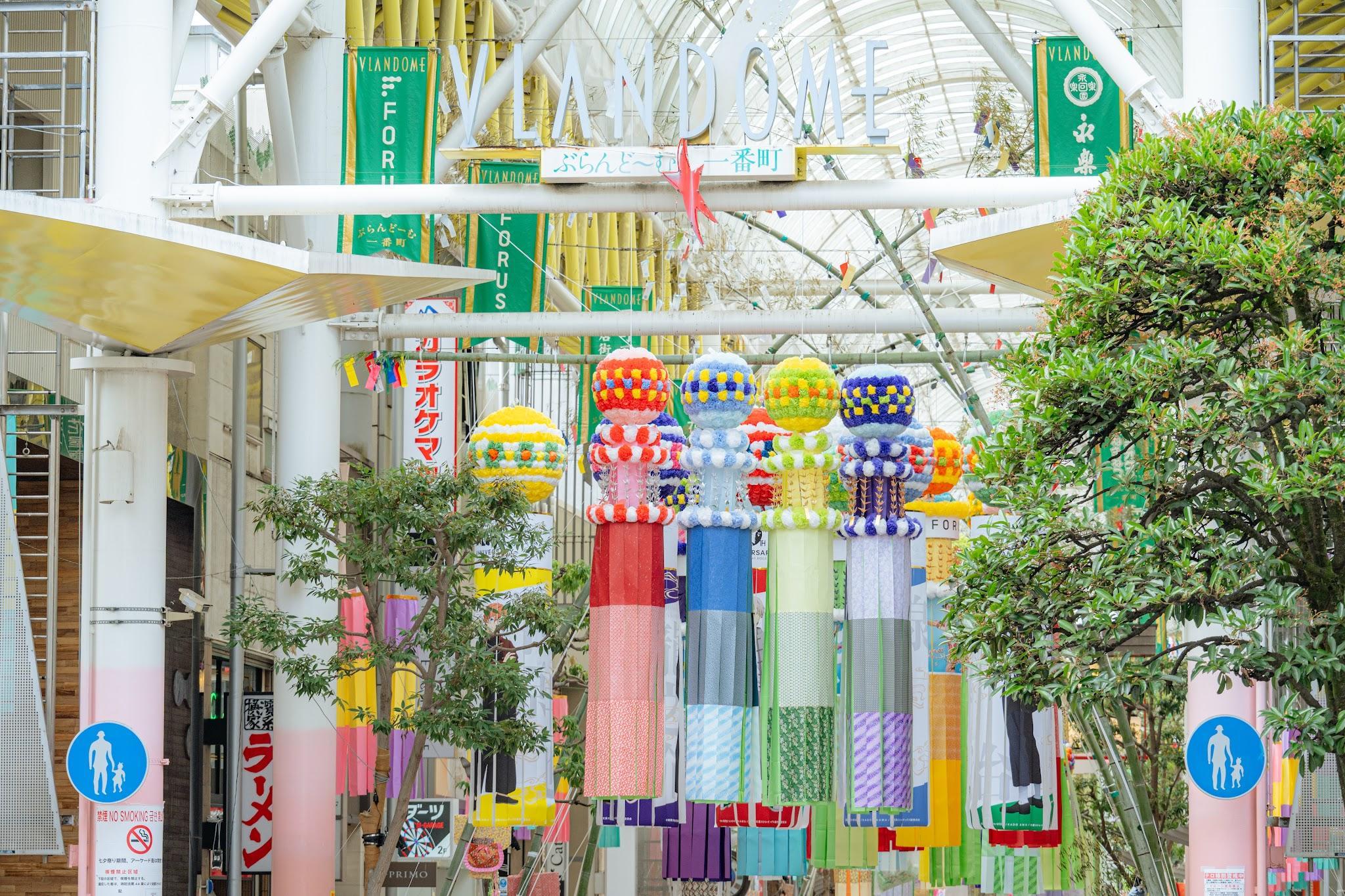
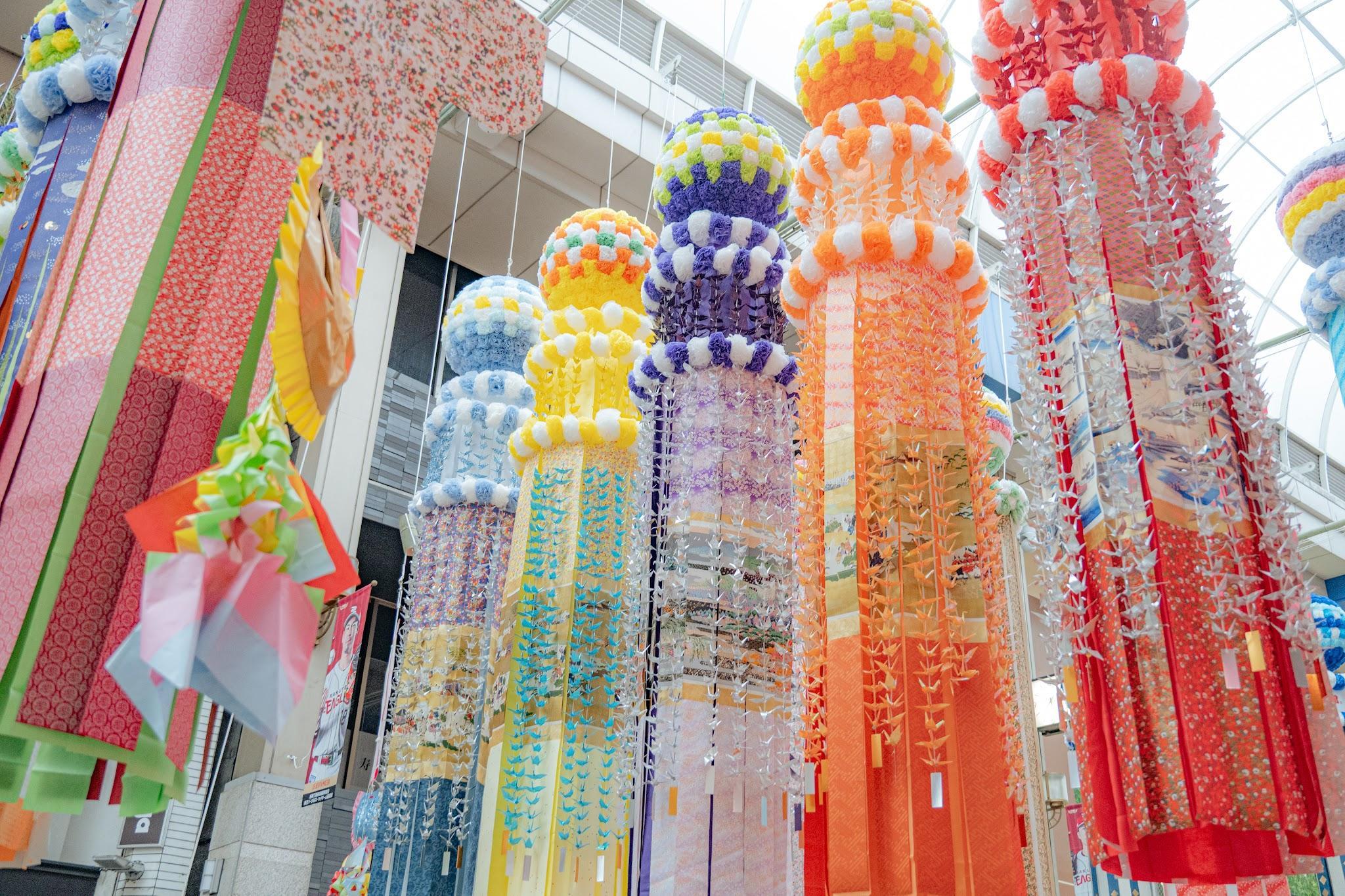
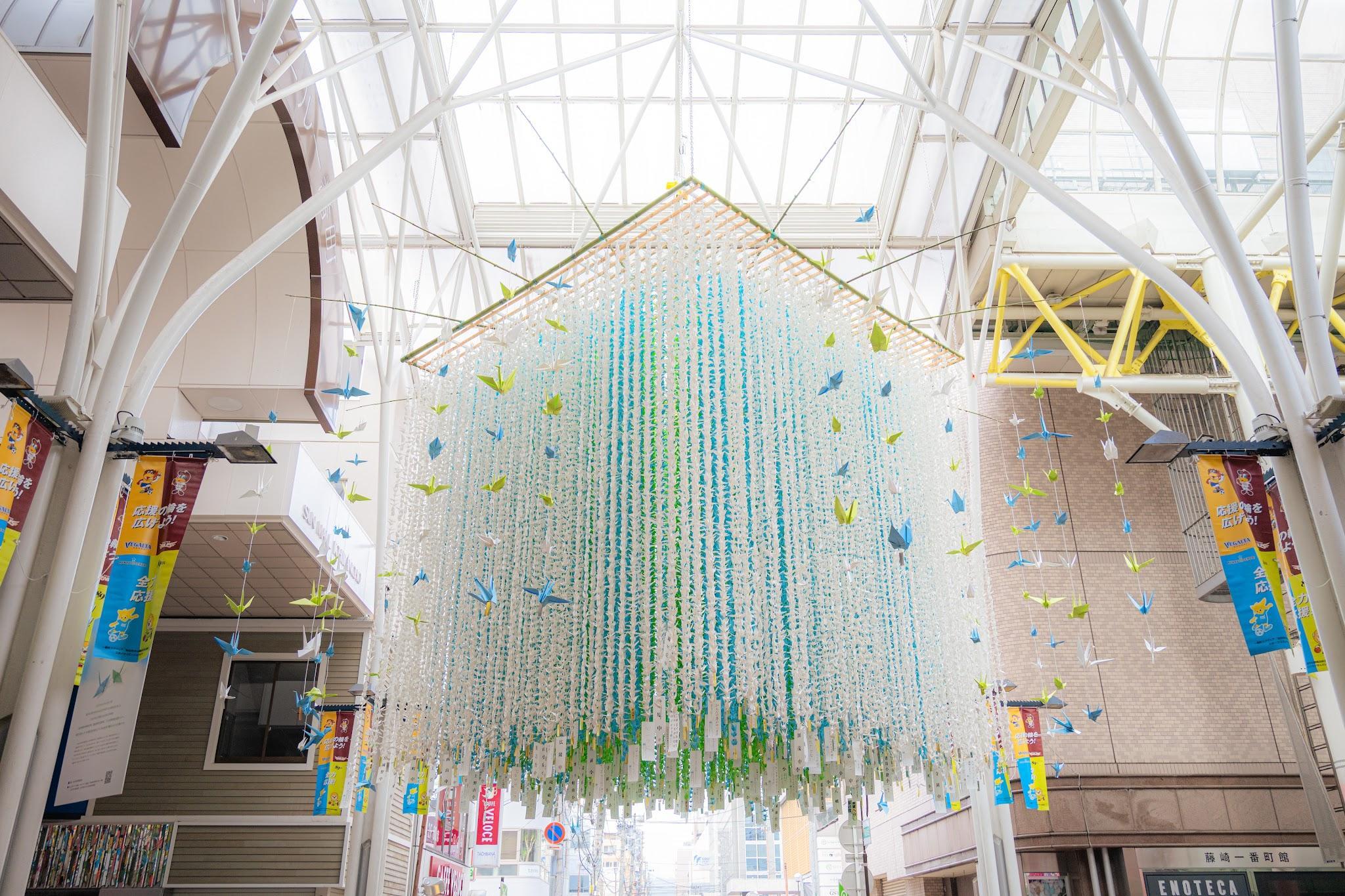
By afternoon, Sendai has taken on a livelier air than usual. Step into the city’s covered shopping arcades and enormous, brightly colored Tanabata decorations sway overhead, welcoming you into the Sendai Tanabata Festival, one of Tohoku’s most enchanting summer celebrations.

Walk beneath a seemingly endless canopy of streamers and paper ornaments, with the flavors of the local food you have just enjoyed still lingering and the festive atmosphere all around. After three days on the road, the journey through Miyagi is building toward a fittingly colorful summer finale.

Sendai Area

Sendai Tanabata Festival

Sendai Tanabata Festival

The Sendai Tanabata Festival is one of Japan’s best-known Tanabata celebrations and one of the Three Great Festivals of Tohoku.

Each year from August 6 to 8, thousands of enormous Tanabata decorations are suspended from bamboo poles throughout the shopping arcades of central Sendai. Long, vivid streamers and intricate paper ornaments sway in the breeze, transforming the streets into seemingly endless tunnels of color. Strolling beneath them is one of the most memorable ways to experience summer in Sendai.

AddressCentral Sendai and surrounding local shopping districts

Useful Tip

The festival draws large crowds, so an early start is well worth it: the streets are quieter, leaving more time and space to admire the Tanabata decorations at your own pace and capture them on camera.

A Little Further Afield

If time allows, or you would like to make a little more of your third day on the road, consider venturing to some of the lesser-known spots around Naruko and Osaki. With a little extra time to explore, there are still plenty of fascinating places to discover.

Northern Miyagi Area

Katanuma Lake

Katanuma Lake

Just outside Naruko Onsen lies Katanuma, a rare crater lake known for its highly acidic waters. Depending on the weather, light and conditions in the lake, its waters shift between dreamlike shades of emerald green and cobalt blue.

Rent a boat from the lakeside rest house to take in the scenery from the water, or follow the roughly 1.3-kilometer walking trail around the lake for views from every angle.

Address69 Yumoto, Naruko Onsen, Osaki, Miyagi

AccessAround 60 minutes by car from Furukawa IC on the Tohoku Expressway, or around 10 minutes from JR Naruko-Onsen Station

Northern Miyagi Area

Kankaku Museum

Kankaku Museum

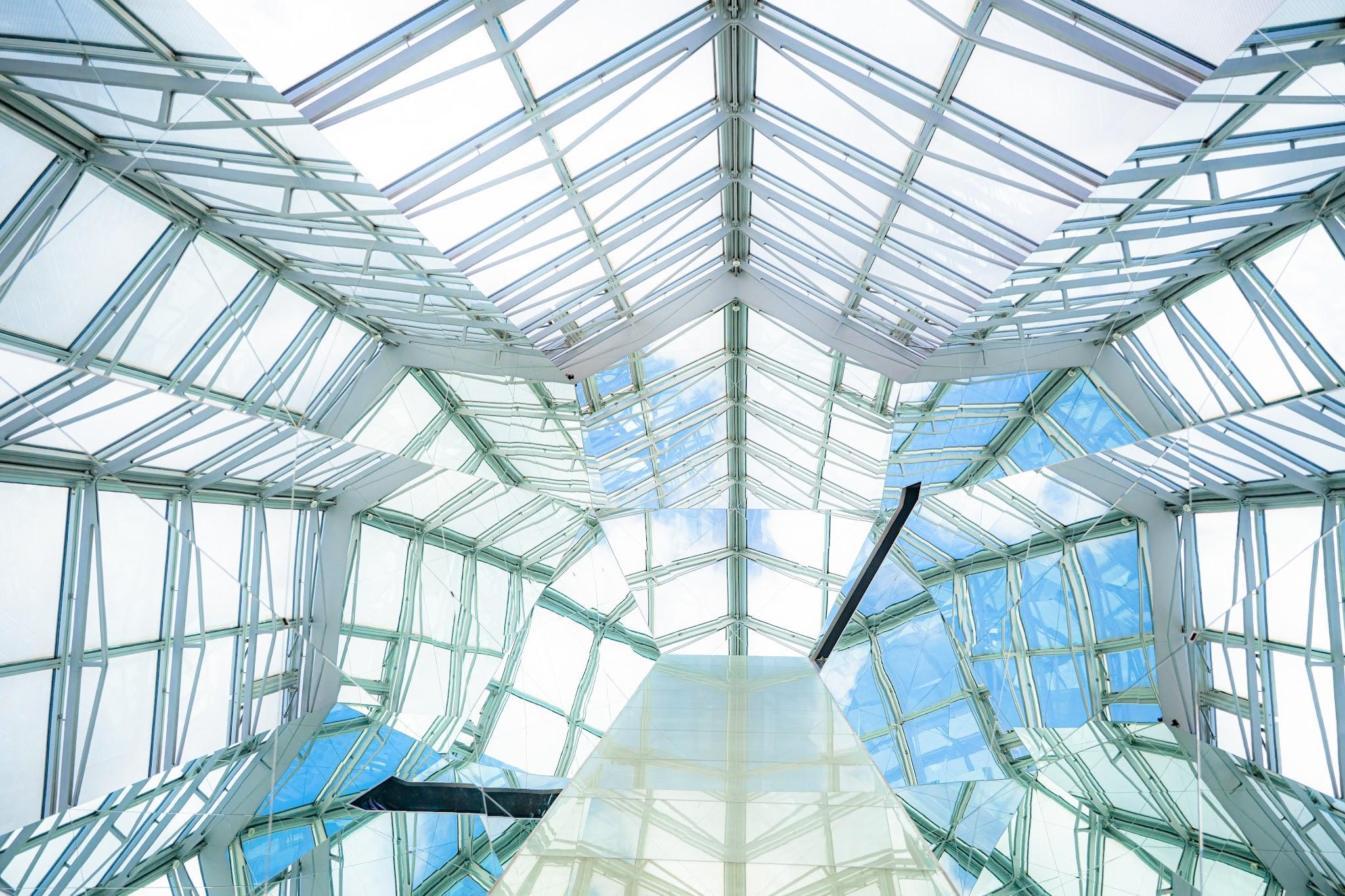
In Iwadeyama, the Kankaku Museum is one of Japan’s few interactive museums built around sensory perception. Rather than simply viewing art from a distance, visitors are encouraged to engage with the exhibits—touching, listening and experiencing the works with the whole body.

The museum is divided into two main areas, the Physical Sensation Space and Meditation Space, where light, sound, scent and different materials come together in a series of immersive installations. In one darkened room, pressing works mounted on the wall makes them glow blue, while movements of the hands can be used to shift sounds through the space. Elsewhere, mirrors, water and light create dreamlike environments that feel removed from the world outside.

It is an experience designed to spark curiosity, whether for children eager to explore or adults happy to leave the everyday behind for a while and rediscover a little of their own sense of wonder.

Address100 Shimokawaramachi, Iwadeyama, Osaki, Miyagi

AccessAround 15 minutes by car from Furukawa IC on the Tohoku Expressway

Three days and two nights on the road pass all too quickly. The sweeping mountain roads of Zao, spectacular views along the Sanriku Coast, steam rising from the hot springs of Naruko and the brilliant colors of Sendai Tanabata—each scene glimpsed along the way becomes a lasting memory of the journey.

Traveling by car opens the door to lesser-known places that might otherwise be difficult to reach, while revealing different sides of Miyagi’s towns and landscapes along the way.

To truly appreciate the beauty of summer in Miyagi, come and experience it for yourself. Take your time exploring the region and discover firsthand the warmth and raw natural power of this remarkable corner of Japan.